Sexual misconduct remains a pressing issue in Congress, even after the significant impact of the #MeToo movement. Nearly a decade has passed since the movement prompted the resignation of eight lawmakers in 2017. Yet, current developments echo this past, drawing attention to new scandals.
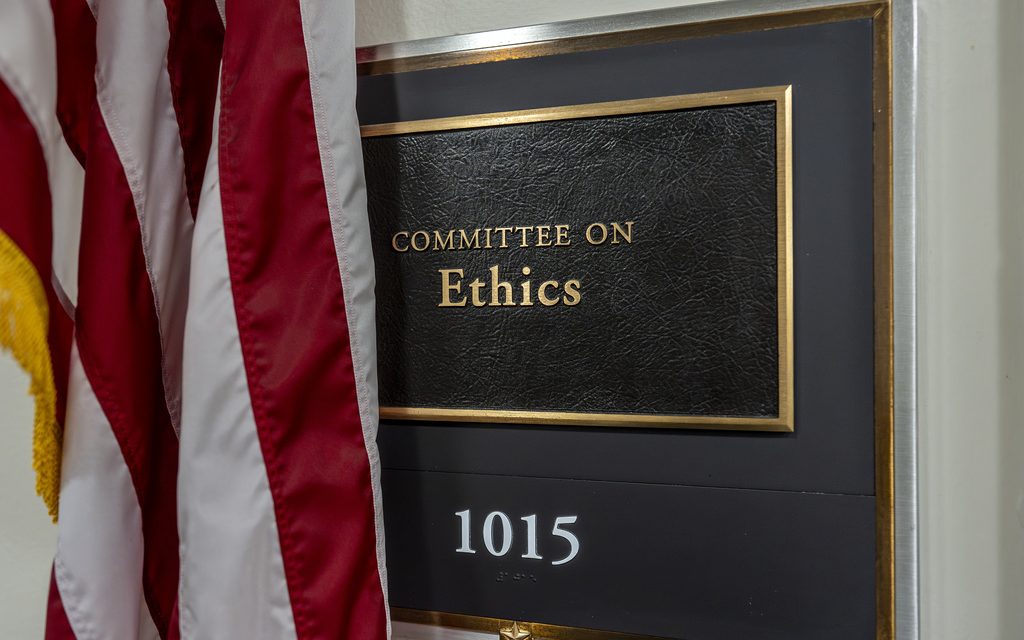
The present 119th Congress mirrors a previous era with its own unsavory incidents receiving increased public scrutiny. In April, Reps. Eric Swalwell (D-Calif.) and Tony Gonzalez (R-Texas) resigned from their seats. Additionally, Reps. Cory Mills (R-Fla.) and Chuck Edwards (R-N.C.) are under investigation by the House Ethics Committee for allegations of sexual misconduct.
Since 2017, the Ethics Committee has launched 20 investigations into workplace sexual misconduct. However, only 15 instances have been publicly disclosed. While such misconduct impacts a small segment of the workforce nationwide, it garners more attention when public figures in influential roles are involved.
In Congress, these issues reflect broader human behavior, as the institution embodies both exemplary and flawed traits. Elected representatives are often seen as paragons of civic virtue. Yet, in some cases, these expectations are shattered by instances of human weakness.
Scandals in Congress often arise cyclically, prompted by factors such as moral lapses, inadequate ethical oversight, or media focus on sensational topics. The current climate, intensified by media coverage and previous high-profile cases unrelated to current members, keeps Congress under the spotlight. This scrutiny may influence the outcome of upcoming midterm elections and shake up party control in the chambers.
Additionally, the political climate at both ends of Pennsylvania Avenue heightens the potential for scandals to be used for partisan advantage. However, these observations do not excuse any misconduct by members. Whenever scandals emerge, calls for systemic reform usually follow closely behind.
The congressional scandals of the late 20th century, involving both sexual and financial misconduct, resulted in a Republican control shift in 1995. This shift brought about the “Contract with America,” focusing on reforms like the “Congressional Accountability Act.” This act ensured congressional members adhered to the same laws as the public, including those prohibiting workplace discrimination and harassment.
Recently, Rep. Thomas Massie (R-Ky.) introduced a resolution to have investigations and settlements related to sexual misconduct publicly released. The resolution passed overwhelmingly, showing bipartisan support for transparency. The practice of using taxpayer funds for misconduct settlements ended in 2018, and the Ethics Committee confirms no recent awards related to sexual harassment by members.
Despite differing views, the need for accountability remains. Both the Congressional Progressive Staff Association and a group of Republican women are pushing for stronger enforcement measures. They seek changes to improve transparency and enforceability regarding misconduct.
Given that misconduct cases affect both political parties, they are unlikely to sway midterm election results significantly. Addressing these ethical challenges remains crucial for both houses of Congress.
 Trump’s Use of Public Funds for Political Ads Sparks Controversy
  Dennis Hastert’s Legacy: From Political Leader to Controversy
  Tensions Within the Trump Administration Highlighted by Policy Reversals
  Democrats Hold Advantage Before Midterms, But Voter Sentiment Is Complex
  Democrats Strategize As Midterm Elections Approach
  Mary Peltola Emerges as Leading Candidate in Alaska Senate Race