Changing Patterns in American Mobility
The pandemic shifted living patterns across the U.S. Remote work led many to move from crowded and expensive cities to more affordable areas. Despite this trend, some cities continue to see significant population declines.
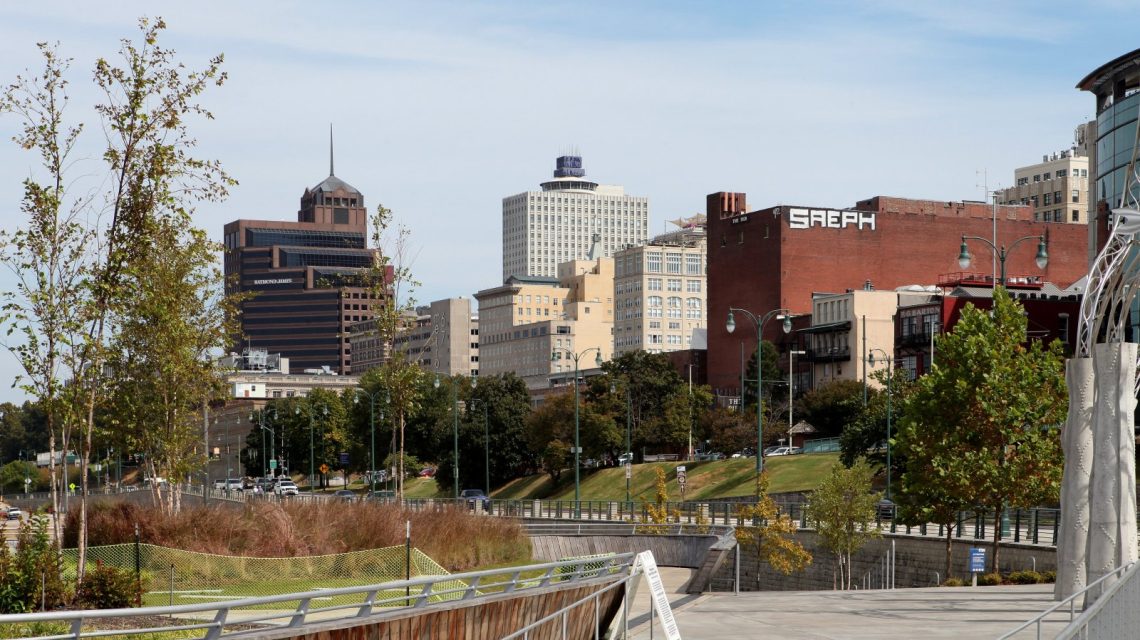
According to the latest Bank of America Institute report on American population trends, Memphis, Tennessee, saw the sharpest population decrease in major U.S. cities during the second quarter of 2026, with nearly a 1 percent drop compared to the previous year.
Additional cities experiencing population declines include Washington, D.C. (-0.73 percent), Los Angeles (-0.63 percent), Boston (-0.60 percent), Miami (-0.57 percent), Baltimore (-0.53 percent), Orlando (-0.49 percent), New York (-0.48 percent), San Jose (-0.44 percent), and St. Louis (-0.41 percent).
Key Reasons for Moving
Americans’ mobility slowed in the second quarter of the year. Declines occurred across income and age groups. The most significant shifts impacted lower-income families and millennials, highlighting affordability as a key factor.
The Midwest, known for its affordability compared to the Northeast and West, led national population growth in the second quarter of 2026. Fast-growing cities in this region include Indianapolis (+1.87 percent), Columbus (+1.24 percent), Louisville (+1.15 percent), Cincinnati (+0.99 percent), Milwaukee (+0.99 percent), Minneapolis (+0.89 percent), Grand Rapids (+0.70 percent), and Cleveland (+0.37 percent).
Interestingly, Salt Lake City, Utah, saw the most growth, at 1.88 percent year-over-year. With low unemployment, a booming job market, and affordable living costs, Salt Lake continues to attract new residents. In June, the median home price was $642,678, while the median household income was $75,090 adjusted for 2024 inflation.
Likewise, Indianapolis offers affordable housing, a thriving job market, and a vibrant cultural scene. June’s median home price was $258,859, with a median household income of $66,219 between 2020 and 2024.
Raleigh, North Carolina, with a strong job market and quality amenities, also grows by 1.25 percent from a year earlier. The median household income was $86,309 in 2020, and the median home price was $424,769.
Redfin reported the median U.S. home cost at $408,776 in June.
Cities with Declining Populations
Memphis stands out as an anomaly, where affordability is not the primary issue behind the population drop. Despite being relatively affordable—with monthly costs for a single person at $1,123.9—Memphis lost 35,970 people since 2010 due to limited job opportunities and high crime rates.
Neighboring Nashville, however, continues to boom, highlighting a stark contrast in growth trends.
For cities like Washington, D.C., Los Angeles, Boston, and Miami, high living costs drive residents away. In Washington, D.C., the living cost is 39 percent above the national average, Los Angeles is at 52 percent, Boston at 48 percent, and Miami recently surpassed New York.
Housing is a significant expense in these cities: Washington, D.C.’s median home price is $699,619, Los Angeles is $1.1 million, Boston at $859,532, and Miami is $649,646.
 Marine Veteran Suing Oregon School District Over Curriculum Reimbursement
  Tennessee Execution Halted as Issues Persist with Lethal Injection Protocol
  Judge Dismisses Case Against Former Olympian Over Lincoln Memorial Incident
  Minnesota Family Files Civil Rights Lawsuit Over ICE Agent Shooting
  California Bans Child Marriage, Protecting Minors
  U.S. States Extend Gas Tax Waivers Amid Rising Fuel Costs Due to Iran Conflict