
Arizona, California, and Nevada are facing mandates to reduce their use of water from the Colorado River by approximately 20 percent over the next two years. This decision arises from ongoing negotiations concerning a federal initiative designed to revitalize the river, which has been heavily depleted.
The Colorado River is a vital source of water for these states, supporting millions of residents and a variety of industries. The need for reduction stems from prolonged overuse and drought conditions, which have exacerbated the depletion of its reservoirs.
Officials involved in the discussions emphasize the potential for even greater reductions should conditions fail to improve. The plan represents a critical step in addressing water scarcity in a region heavily dependent on the river. Efforts to conserve and redistribute water are central to ensuring long-term sustainability.
Lake Mead, one of the main reservoirs along the river, has seen significant drops in water levels. This highlights the urgency of implementing measures to secure reliable water resources for the affected states.
 Los Angeles Faces Uncommon Heatwave in October
  Drought Drives Black Bears Closer to Human Activity
  Atlantic Ends September Without a Hurricane for First Time Since 1994
  Bobcat Sightings and Conservation Efforts in Illinois
 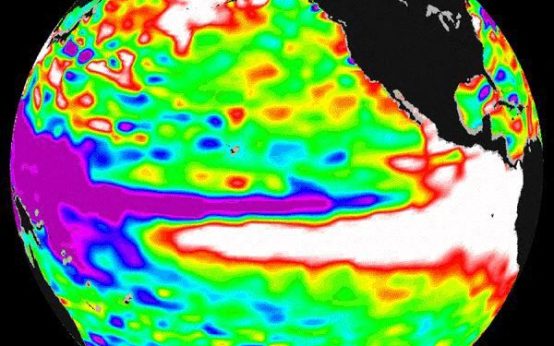 2026 El Niño: A Historical Comparison and Future Projections
  U.S. Records Warmest September in History