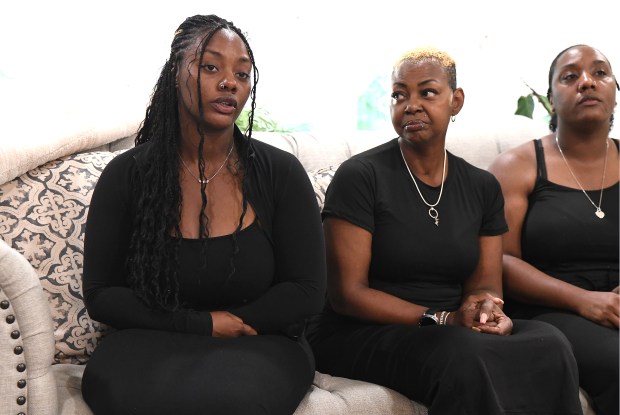
Aja Bridges was at a food stamp office in Gary on August 11 when a storm struck suddenly. Her main concern was her children, but a security guard urged her to stay inside. The power went out, plunging the building into darkness. In the basement, Aja became anxious, unable to contact her children’s school due to disrupted cell service. The situation was frightening for her.
After the storm subsided, she ventured out, facing flooded paths to reach her car. Her son’s fears about tornadoes intensified, and when she finally reached him at school, he was visibly upset. Her neighborhood was heavily damaged, with downed trees and gas smells. She made a quick stop home to gather $200, pull-ups, and clothes before heading out again.
I don’t have any money,said Bridges, a nursing student and waitress.I was supposed to work today. It was the middle of the pay week. I am out of food stamps.
Transportation was challenging as well. She found a gas station with long lines and had to wait for hours. Eventually, she secured a hotel for two nights, but soon prices increased. Power outages meant no childcare or school, leaving her to fill her days by looking after her children.
Another mother, Kylea Foster, faced similar issues, losing power at home in Gary’s Aetna neighborhood. Community relief events helped with meals when power dependency caused childcare and everyday life disruptions. Her daycare eventually offered a temporary overnight solution due to having a generator.
Struggles weren’t limited to power and resources. Bridges’ son, worried about their lack of electricity, doubted bills were being paid. Her autistic daughter was affected by routine changes and lacked her calming tablet, leading to regression. Food spoilage compounded financial issues, setting her back financially.
Finding Support and Advice for Preparedness
During emergencies, preparation becomes critical. Parents should stock up on non-perishable food and clean water supplies. Dr. Hilary Fairbrother advises having food like cold Spaghetti O’s, gas stovetops for heating food, and keeping generators safely away from home to avoid carbon monoxide risks.
It’s important for families to have backup plans for power-dependent medical devices and seek community help when needed. Dr. Khalid Afzal suggests honest communication with children, maintaining routines, and providing them with small responsibilities. He stresses the significance of maintaining a stable environment for children during crises without sharing adult-stressors.
Living with the Aftermath and Community Unity
During prolonged outages, the community of Gary showed resilience and support. Parents like Tiffany Harrison balanced work disruptions, dealing with food loss, and limited resources. Each family found creative solutions for survival and comfort.
Harrison notes a newfound unity in her community. Neighbors helped each other more than before, even amidst personal post-storm anxieties.
Going forward, Harrison believes the city can improve access to essentials post-disaster, especially for working parents and the elderly. They strive to ensure nobody is left without necessary supplies.
 The Measure of Friendship
  A Honeymoon Safari Turns Into a Fight for Survival
  Facing Terminal Illness: Embracing Life’s Moments
  Journey Through Love and Health Challenges
  Florida Woman Discovers Brain Tumor After Mysterious Symptoms
  Challenges in Prosecuting Sexual Assault Cases Involving Substance Use