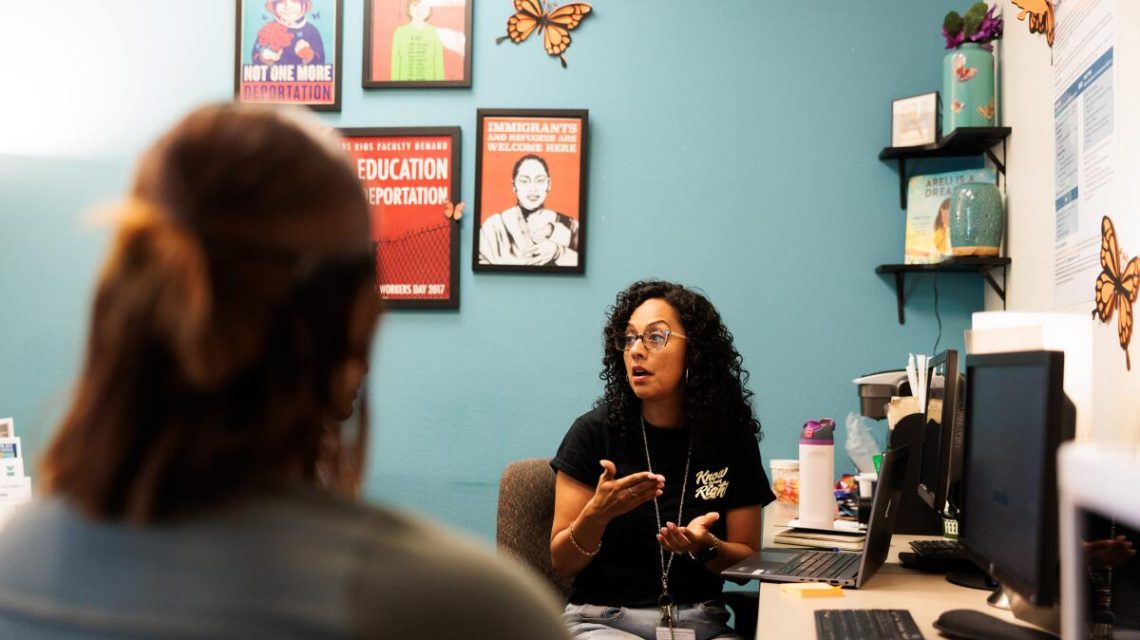
At Folsom Lake College, a flier reassures undocumented students about their education opportunities. “You can still go to college in California even with the current political climate,” it states. This encouragement reflects a broader effort to support students lacking legal status.
Alicia Alejo leads the Undocu-Falcons Center at this community college, assisting undocumented students with legal consultations, mental health services, food, and financial aid. During the Trump administration, these students often preferred online classes to avoid attention.
California stands out nationally for supporting undocumented students. It offers in-state tuition and financial aid through the California Dream Act. This includes covering community college fees and ensuring schools have staff dedicated to helping undocumented students. Despite these measures, applications for state aid have decreased, affected by Trump’s immigration policies and the COVID-19 pandemic.
Despite these challenges, state aid applications among undocumented students saw a decline. The California Student Aid Commission reported 35,949 applications in the previous academic year, a significant drop from almost 50,000 five years earlier. Between 2016 and 2022, enrollment of low-income undocumented students in the University of California and California State University halved.
The Deferred Action for Childhood Arrivals (DACA), an Obama-era program, is no longer open to new applicants. This impacts students’ career prospects after graduation, as they face difficulties finding lawful employment.
Experts also note concerns over legal battles, like the ongoing Department of Justice lawsuit against California’s tuition support for undocumented students.
Christian Espinoza’s story illustrates these challenges. Arriving in the U.S. at nine, he excelled academically and accessed opportunities like the California Dream Act at UCLA. However, while pursuing his PhD, Espinoza was detained at a checkpoint and later chose to leave the U.S. after immigration proceedings.
Without work permits, undocumented students face hurdles in securing jobs and internships. California universities and lawmakers have created opportunities that do not require federal employment authorization, like Dream Summer fellowships worth over $6 million.
The University of California does not hire undocumented students. This decision, challenged in court, remains unchanged. Some legislators propose allowing campus jobs for undocumented individuals, which advocates believe could enhance college attendance and job prospects post-graduation.
California is also fostering entrepreneurial skills, as undocumented persons can legally run their businesses in the U.S. A grant program launched in 2020 aids immigrants facing employment barriers to start or maintain businesses.
Such initiatives aim to sustain educational paths for undocumented students, acknowledging their potential contributions to society and warning against the loss of talent if these efforts wane.
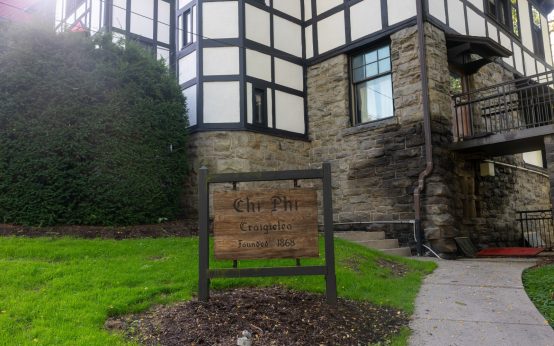 Former Cornell Instructor Discusses Sexual Harassment Allegations
  Cornell University’s Sexual Assault Allegations Spark Legal Battles and Investigations
 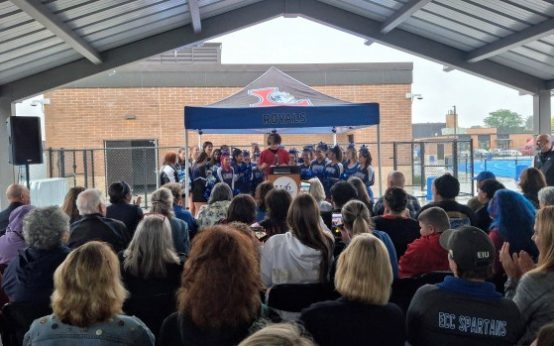 Larkin High School Unveils First Outdoor Sports Stadium
 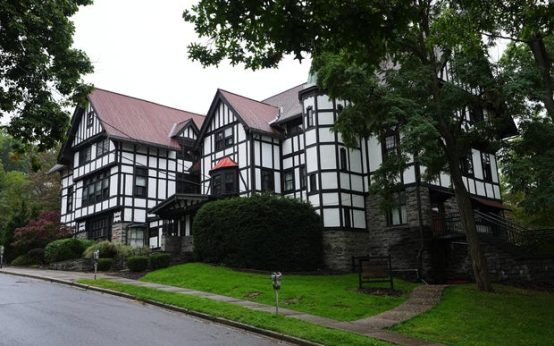 Cornell University Fraternity Faces Allegations in Sexual Assault Case
  Troy Swanson: Award-Winning Librarian Transforming Academic Libraries
  Cornell University to Investigate Handling of Alleged Assault Case