
The Supreme Court has granted the Trump administration an initial victory in its bid to enforce an executive order targeting limitations on mail-in ballots for the 2026 midterm elections. This order proposes a federal list of eligible voters and directs the U.S. Postal Service to deliver ballots only to those individuals.
In a 6-3 decision, divided along ideological lines with conservatives in the majority, the justices lifted an injunction imposed by a Massachusetts-based judge. The injunction had blocked the executive order’s key aspects this year in California and 22 other states that had opposed it. The court also approved a similar request made by Alabama and 11 other states.
This decision could affect a nationwide block on other parts of the same executive order following another case presided over by the same judge. The administration might, temporarily, enforce the order, but further legal challenges are expected.
New York Attorney General Letitia James, one of the challengers, stated, “This decision is a painful setback, but it will not be the final word.” President Trump has continuously criticized mail-in ballots, claiming without evidence that the election system is flawed by fraud.
“The court’s disposition of this application does not mean that any measure taken by the Government to implement the order will necessarily be lawful,” the court stated in an unsigned ruling. “On that score, time will tell.”
The provisional decision raises concerns about whether additional judicial intervention may be necessary, particularly regarding restrictions imposed for the midterm elections. Meanwhile, the Postal Service has issued its final regulation to enforce parts of the directive.
The Supreme Court’s liberal justices dissented. Justice Sonia Sotomayor emphasized that the ruling does not address whether the President’s interventions in state election administration align with legal or constitutional authority. Justice Ketanji Brown Jackson accused the majority of missing broader implications, stating the administration’s true aim is to “foment chaos ahead of the November elections.”
The administration assured the court that the new regulations wouldn’t prevent delivering ballots, even for those not on state voter lists. This decision aligns with a previous ruling by the U.S. Court of Appeals for the District of Columbia Circuit, which denied Democrats’ attempts to block the executive order.
Lower courts have refused to stay the Massachusetts ruling, prompting the administration to seek Supreme Court intervention. Solicitor General D. John Sauer argued in the court filing that adjudicating the matter was premature, as plans on implementing the order remain unclear. With limited months before Election Day, the Postal Service faces challenges due to underfunding.
As the situation unfolds, the legal battles around the executive order show potential impacts on election process protocols.
 Democratic Hopes and Historical Warnings in 2026 Senate Race
  Republicans Face Challenges Amidst Cost of Living Concerns
 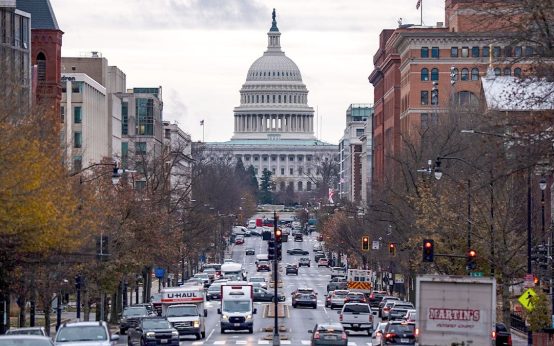 A Different Kind of Fall for Congress This Year
 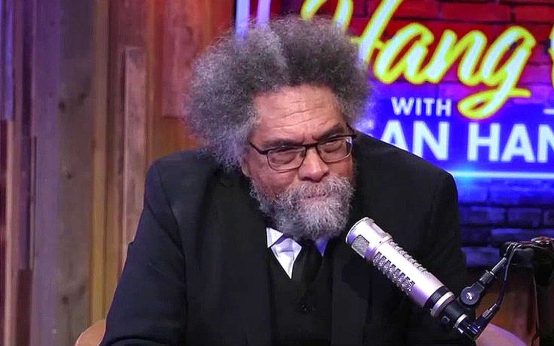 Cornel West and Sean Hannity Discuss Differences on Podcast
 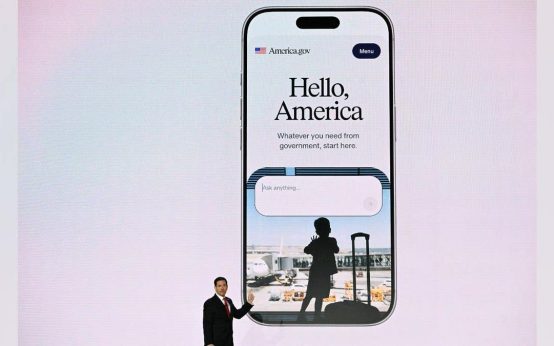 Trump Unveils AI-Powered America.gov Platform
 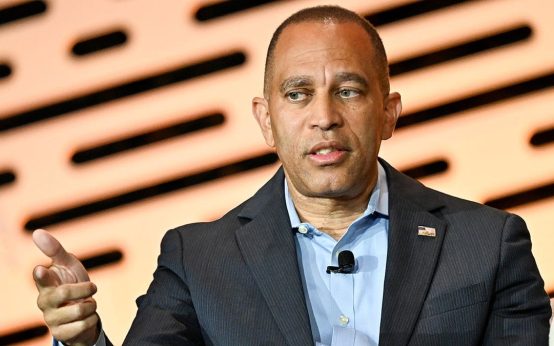 Upcoming Congressional Elections: Key Districts to Watch