Trump’s Diesel Agreement Draws Criticism
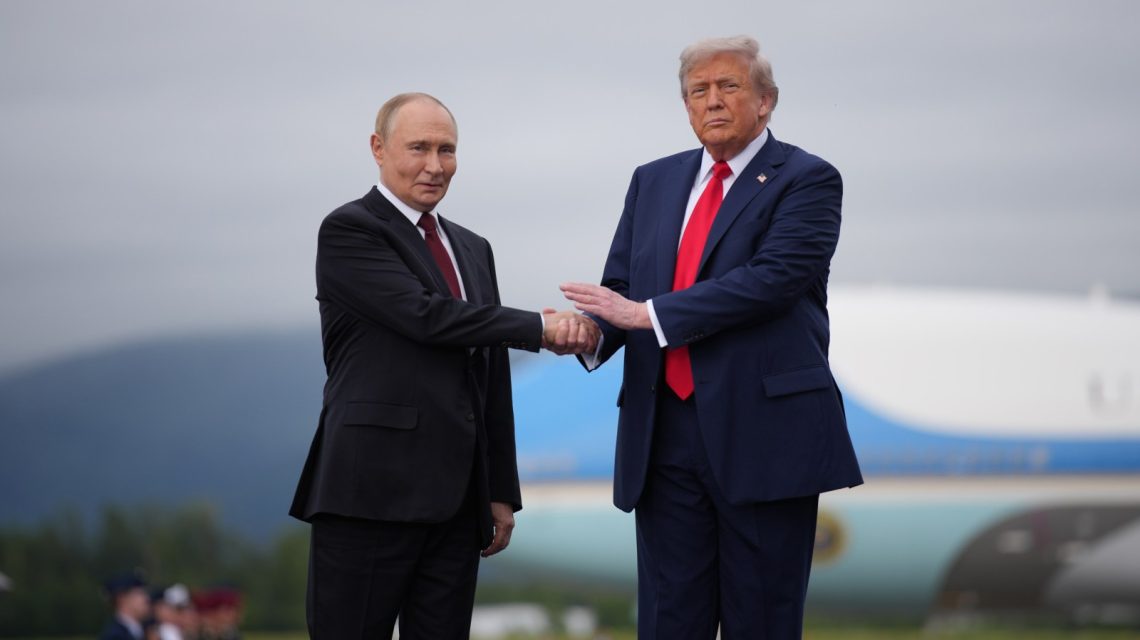
President Donald Trump and Russian President Vladimir Putin have reached an agreement to increase diesel supplies, aiming to lower fuel prices before November’s midterm elections. This move has sparked criticism within the Republican Party, revealing divisions over the White House’s strategy to reduce fuel costs.
Trump announced Friday that millions of tons of Russian diesel would be supplied to U.S. and global markets. The government authorized transactions involving Russian diesel, with the Treasury Department issuing a temporary license.
Concerns Over Sanctions
Criticism arises because Congress recently approved the Lindsey O. Graham Sanctioning Russia and Iran Act of 2026, designed to pressure Moscow due to the war in Ukraine. While Trump argues the plan could alleviate high fuel prices impacting truckers, farmers, and consumers, some Republicans fear it could harm efforts to pressure Moscow.
Republican Voices Against the Deal
Russian fuel is ‘the Wrong Answer’
Representative Don Bacon of Nebraska is a vocal opponent. He stated on X that although lower diesel prices are needed for American farmers and consumers, buying Russian fuel is not the solution.
Supporting Ukraine, Bacon claimed that attacks on Russian refineries target facilities financing Russia’s illegal invasion. He suggested the deal could offer Moscow additional revenue and pointed out the contradiction with sanctions law recently signed by Trump.
Bacon’s criticism is notable as Nebraska’s economy heavily relies on agriculture and trucking, both affected by soaring diesel costs.
More Criticism from Lawmakers
Representative Michael McCaul of Texas cautioned that easing sanctions on Russian oil would also fund the Kremlin’s war machine. His comments highlight concerns about how the U.S. should approach Russia while conflict continues in Ukraine.
Senator Lisa Murkowski from Alaska expressed similar concerns on X, noting recent legislation to increase sanctions and tariffs on Russia. She argued Trump should use these measures instead of letting Russia benefit from diesel exports during the ongoing war.
President Zelensky of Ukraine also expressed apprehension, stating that reducing pressure on Russia without a comprehensive de-escalation agreement would show weakness.
Midterm Election Approach and Diesel Efforts
As midterm elections near, the administration has searched for solutions to address rising diesel prices, becoming an economic and political hurdle. Diesel fuels the agricultural, trucking, rail, and industrial sectors, and higher costs can affect consumer prices.
Energy economist Ed Hirs from the University of Houston voiced skepticism about the timeline, suggesting that benefits might not appear before Election Day.
Trump has emphasized the importance of addressing diesel prices, especially to rural voters. He signed an executive order allowing tax-exempt dyed diesel on public roads and deferring federal diesel tax.
Trump announced the agreement with Russia on Truth Social, promising deliveries that would lower diesel costs. He thanked Putin and defended the strategy from criticism, including opposition from President Zelensky.
Analysts Skeptical of Diesel Market Impact
Energy analysts doubt the agreement will significantly alter diesel market conditions. Tom Kloza from Gulf Oil shared concerns about Russia’s capacity to supply considerable diesel volumes due to damage from Ukrainian drone attacks on Russian refineries.
Some traders reported a minor price dip, but questioned its potential for an ongoing trend change. Diesel molecules remain scarce.
Hirs highlighted that even if the deal proceeds, meaningful consumer relief might not materialize swiftly, challenging Trump’s promise of economic benefits before election time.
 Judicial Watch Criticizes FBI for Delayed Document Release in Trump Assassination Attempt
  Hurricane Isaias: Widespread Impact on the Southeast
  The Role of Decades-Old Military Equipment in National Security
  Tensions Rise in Michigan Senate Race
  Democrats Eye Congressional Control Amid Impeachment Debate
  Democratic Socialists of America Candidates Influence State Legislature Elections