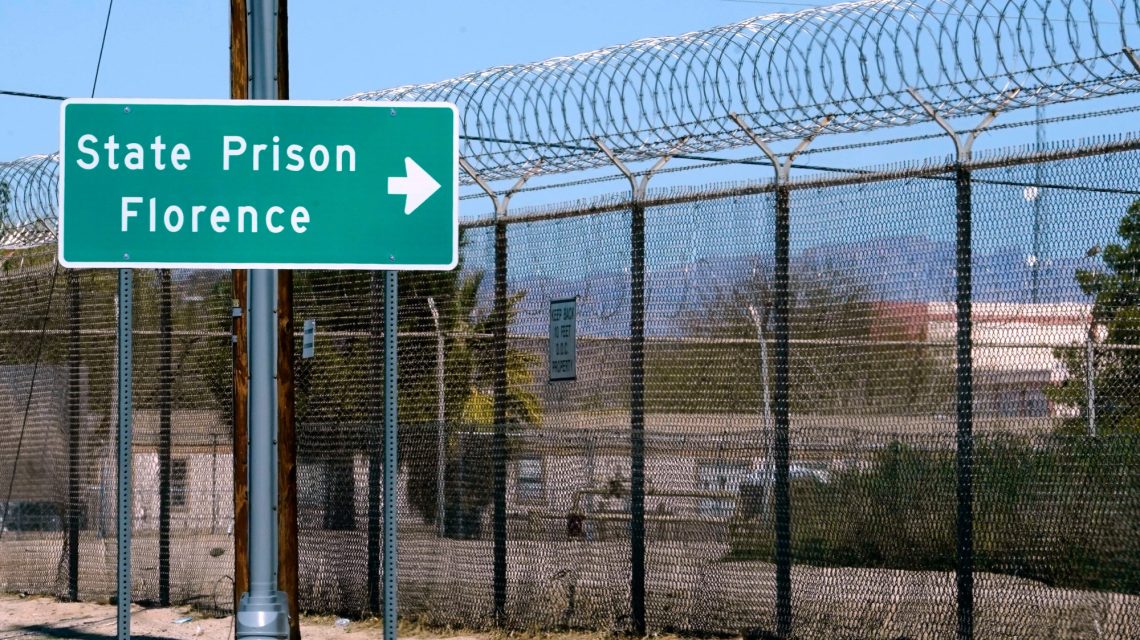
On October 1, the Supreme Court rejected Arizona’s request to delay a court-ordered overhaul of its prison healthcare operations. The lawsuit that led to this decision was filed in 2012. Over the years, there has been little improvement in the inadequate medical care provided to prisoners in Arizona.
In 2022, U.S. District Judge Roslyn Silver ruled that Arizona has consistently failed to provide constitutionally sufficient medical and mental health care to prisoners. Silver noted that the prisons lacked enough healthcare staff to serve the approximately 25,000 inmates and that no significant efforts had been made to address this issue.
“Defendants have never been substantially compliant, have engaged in repeated, persistent violations, and the chronic unconstitutional prison healthcare has continued.” – U.S. District Judge Roslyn Silver
Silver’s observations highlight a broader issue affecting prisons nationwide. Many incarcerated individuals experience severe health neglect, causing pain, physical decline, and fear.
The case of Joseph Assyd exemplifies these issues. He was incarcerated in Arizona until his death on April 12, 2020, at age 64. Assyd had become unresponsive due to hypoglycemia, but he was not promptly attended by a healthcare provider before his condition worsened. This delay and oversight led to his death.
The situation is further exemplified by Tallie Dillard. Dillard, a 53-year-old Black woman, is currently imprisoned in Florida, serving a sentence for drug conspiracy. Despite her poor health, which includes several illnesses, she has not received the necessary medical attention. Her repeated grievance reports about inadequate care have been ignored.
Both Assyd’s and Dillard’s experiences indicate deep failures in prison healthcare systems across America. In February, Judge Silver placed Arizona’s prison system under receivership, demanding significant reforms to end preventable deaths and suicides caused by inadequate healthcare.
Judge Silver’s decision builds on past constitutional mandates. Fifty years ago, the Supreme Court declared that failing to provide sufficient medical care to inmates violates the Eighth Amendment, which prohibits cruel and unusual punishment. Justice Thurgood Marshall highlighted the dependency of inmates on prison authorities for their medical needs and warned about the consequences of neglect.
This stance was reaffirmed in 2011 when the Supreme Court addressed inadequate healthcare in California prisons, emphasizing the judiciary’s role in remedying Eighth Amendment violations.
State governments, including Arizona, have a choice: they can fulfill their constitutional obligations to provide adequate health care in prisons or else be directed by judicial mandates to do so. The ongoing healthcare crisis in American prisons demands urgent attention.
Austin Sarat is the William Nelson Cromwell Professor of Jurisprudence and Political Science at Amherst College.
Copyright 2026 Nexstar Media Inc. All rights reserved. This material may not be published, broadcast, rewritten, or redistributed.
 ICE Agent Faces Legal Battle Over Highway Encounter
 Supreme Court to Hear Case on Assault Weapons Bans and the Second Amendment
 Concerns Arise Over NYC’s Rikers Island Closure Plan
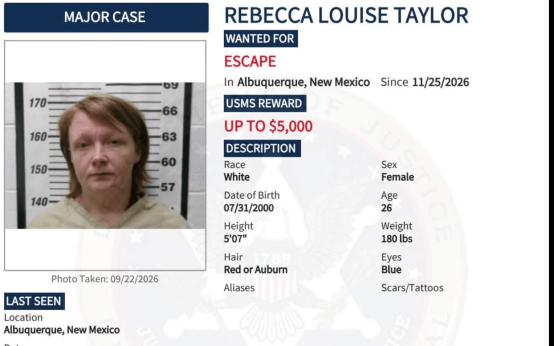 Pregnant Inmate Escapes Custody in New Mexico
 Fort Hood Shooter Nidal Malik Hasan Seeks Delay in Execution to Present Defense
 Teaching Assistant in Los Angeles Arrested on Charges of Child Molestation