The U.S. Supreme Court recently limited the use of geofence warrants, changing how law enforcement accesses individuals’ location data. As a former Chicago police officer, signing such a warrant seemed routine, but the court’s decision may start a broader discussion.
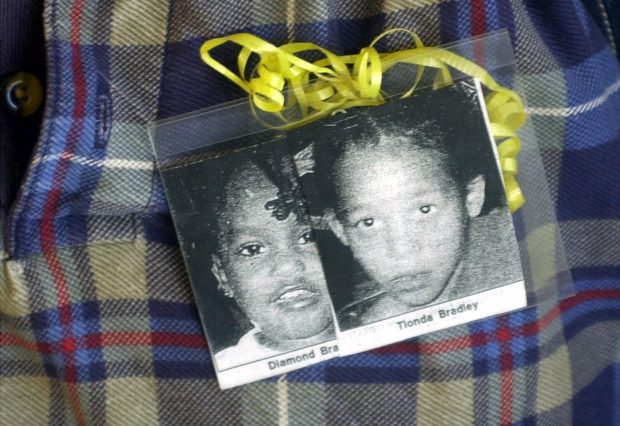
In July 2001, the disappearance of two sisters in Chicago, Tionda and Diamond Bradley, highlighted the need for advanced technology in investigations. Drones then could have aided their search. Similar thoughts surfaced after the 2022 Highland Park shooting, but legal limitations restricted drone use until laws changed.
Geofence warrants allow investigators to identify mobile devices within a geographic area at a specific time. These warrants helped catch a bank robber in Virginia in 2019. However, the implications of such warrants raise privacy concerns. While traditional methods like ticket records and surveillance footage are accepted, modern digital dragnets potentially reveal more personal data, such as frequented locations and associations.
Gathering comprehensive location data poses risks. Investigators potentially access a person’s life map, revealing hospital visits, places of worship, political activities, and personal relationships. While these tools serve justice, the need for clear limitations is vital to prevent misuse.
Legal training for officers assumes access to digital data without imparting the importance of constitutional doctrine, something often overlooked during a case. Carpenter v. United States showed the court’s recognition of privacy concerns with long-term tracking. However, establishing a practical framework is the task of lawmakers and agencies, not courts.
Google’s recent change in data policies complicates future compliance with geofence warrants, prompting the need for Congressional action. Limitations must be clear: warrants should be geographically restricted and time-bound, relevant only to the crime under investigation. Unlike an unlimited search, investigations must respect privacy.
Drones, license plate readers, and facial recognition technology faced community resistance but gradually gained broader use. While some argue for expanding tools during critical investigations, the potential for misuse necessitates explicit statutory limits. History shows frameworks often fail without definite boundaries.
The Constitution prohibits exemptions based on high stakes, like missing children cases. Yet, advocates argue for retaining geofence warrants under specific conditions. The Supreme Court’s decision is significant, but concrete legislative and agency frameworks are essential to balance justice with individual freedoms.
Louis Martinez, a retired Chicago police officer, now a criminal justice professor at Oakton College, emphasizes establishing safety measures before technology becomes commonplace. Ensuring progress serves justice and liberty beyond current crises remains our collective duty.
 Reviving Conventional Wisdom: Tracking Political Figures and Forces
  Aaron Sorkin’s New Film Sparks Debate on Free Speech and Tech Regulation
  Accountability Across Boundaries
  Reflecting on a Career at Fox News
  Accountability in Politics: A Call for Reform
  Candy Thompson’s Journey From Feminism Back to Christianity