
Supreme Court Decision
The Supreme Court has upheld two state laws that restrict transgender female athletes from participating in girls’ and women’s sports teams. This ruling applies to laws from West Virginia and Idaho, influencing similar restrictions in 25 other states. It impacts athletes participating in both school and collegiate sports across the nation.
Political Context
The Trump administration supported the state bans, focusing on limiting transgender athletes’ participation amid national debates about expanding transgender rights. President Trump directed federal agencies to withdraw funding from schools that permit transgender athletes in girls’ and women’s sports.
Advocacy and Opposition
Despite being politically unpopular and affecting a small group, advocates emphasize the importance of defending transgender athletes’ participation in high school and college sports. They argue that setting a precedent in sports could influence other areas.
Case Highlight: Becky Pepper-Jackson
The ruling specifically impacts Becky Pepper-Jackson, whose high school sports career in West Virginia is effectively over due to the upheld laws. She was 11 years old when she sued to continue participating in track and field events. Her case gained attention as she progressed from a middle-of-the-pack runner to winning the state championship in shot put this year as a sophomore.
Legal Justifications
The justices clarified that the laws enacted in West Virginia and Idaho do not violate the Constitution, reinforcing the ability of states to implement regulations regarding transgender female athletes in sports.
 State Department Simplifies Passport Process with Online Applications
 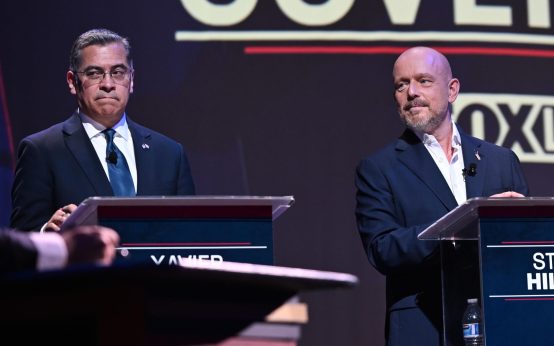 Becerra and Hilton Clash in California Gubernatorial Debate
  California Voters to Decide on $7.5 Billion State Research Fund
 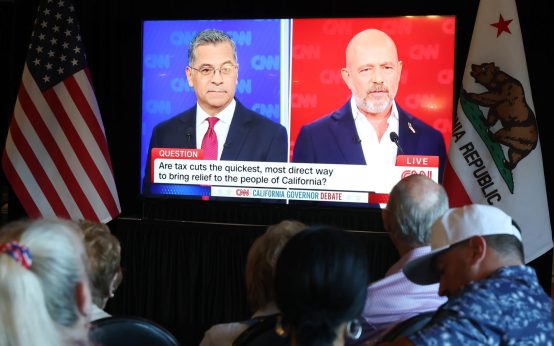 Highlights from the California Gubernatorial Debate: Becerra vs. Hilton
 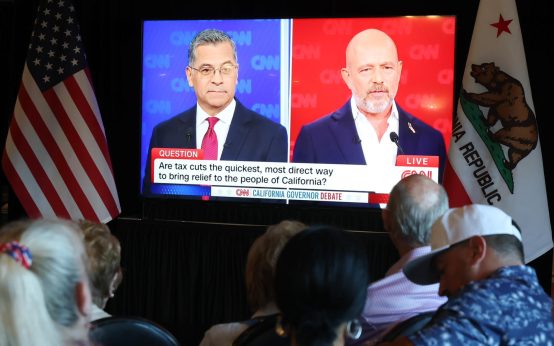 Becerra vs. Hilton: The Debate and Key Issues in the California Governor Race
  Senate Confirms New Labor Secretary