Survivors of the deadliest Iranian attack on U.S. forces since the war began have challenged the Pentagon’s account and detailed their experiences, revealing they were dangerously exposed in Kuwait when six service members were killed and over 20 wounded. Members of the targeted unit spoke publicly for the first time, offering CBS News a detailed account of the attack and its devastating impact.
The survivors disputed Defense Secretary Pete Hegseth’s description, who called the drone a “squirter,” implying it slipped through defensive lines of a fortified unit. “Painting a picture that ‘one squeaked through’ is a falsehood,” an injured soldier told CBS News, emphasizing that their position was not fortified nor prepared for defense. Despite the chaos, those in the compound responded quickly and bravely, saving lives.
The accounts, paired with exclusive photos and videos obtained by CBS News, provide insight into the March 1 attack at the Kuwaiti port facility. A photograph shows smoke from the Iranian drone strike, which killed six U.S. service members. Before the attack, missile alarms sent about 60 troops to a bunker as a ballistic missile soared overhead. However, an all-clear signal at 9:15 a.m. allowed them to return to work, only to face the attack 30 minutes later.
“Everything shook,” a soldier said, likening the experience to a film scene with ringing ears, blurred vision, and thick smoke. Injuries included head wounds and bleeding from shrapnel, showing the seriousness of the attack. The blast killed six, marking the deadliest attack on U.S. troops since 2021, and injured more than 20 others.
Prior to Operation Epic Fury, most American troops were relocated to safer spots in Jordan and Saudi Arabia. However, members of the Army’s 103rd Sustainment Command were ordered to move to Port of Shuaiba, a smaller outpost vulnerable to Iranian missile and drone threats. Leadership described tactics to “Get off the X,” meaning to avoid target zones.
The operational center was similar to those used in Iraq and Afghanistan before drones became prevalent. Steel-reinforced T-walls shielded against mortars and rockets but were ineffective against drones. Soldiers questioned their proximity to Iran, with intelligence indicating they were potential targets. Protection was minimal, with only vertical blast barricades lacking aerial cover.
A Pentagon spokesperson declined to comment due to an ongoing investigation. Assistant Secretary of Defense Sean Parnell stated that every possible measure was taken to safeguard troops, claiming the facility had 6-foot walls.
With the war, Iran shifted towards drone warfare, complicating traditional defenses. Iranian Shahed drones were central to the attack, adding a new dimension to the battlefield dynamics. “It was chaos,” another injured soldier described, as soldiers improvised bandages and used civilian vehicles to transport the wounded to nearby hospitals.
Some survivors disagreed with Hegseth’s public description of the attack, concerned about its implications. “Telling the truth is important and we need to learn from mistakes,” one soldier emphasized, suggesting the attack was preventable. Despite personal loss, he expressed pride in the fallen soldiers’ bravery and sacrifice, reminding families to be proud of their loved ones.
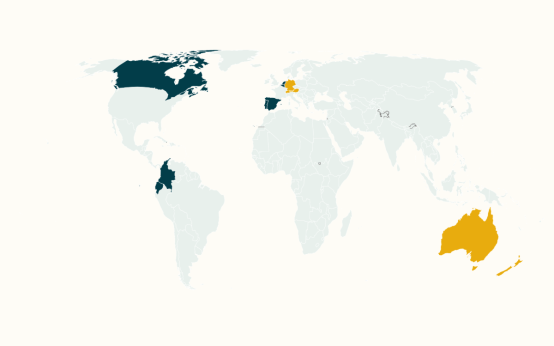 Dutch Review Board’s Euthanasia Ruling and International Debate
 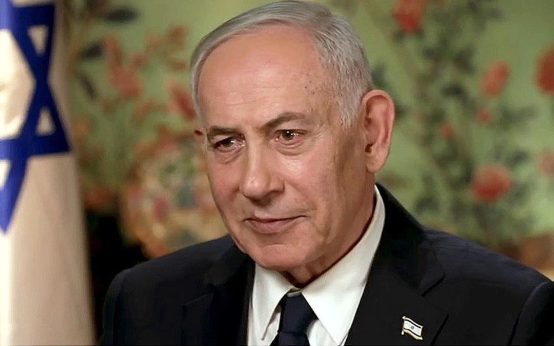 Israeli PM Commends Heroic Actions in Flight Emergency
 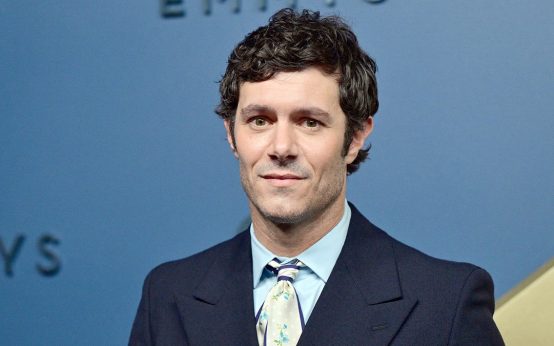 Rabbi and Jewish Leaders Criticize Adam Brody for ‘Genocide’ Comment
  Flydubai’s Emergency Landing Highlights Cockpit Security
  Former Israeli PM Naftali Bennett Commends Passengers and Crew for In-Flight Heroism
  Diplomatic Complexities Unfold at U.S. National Archives Visit