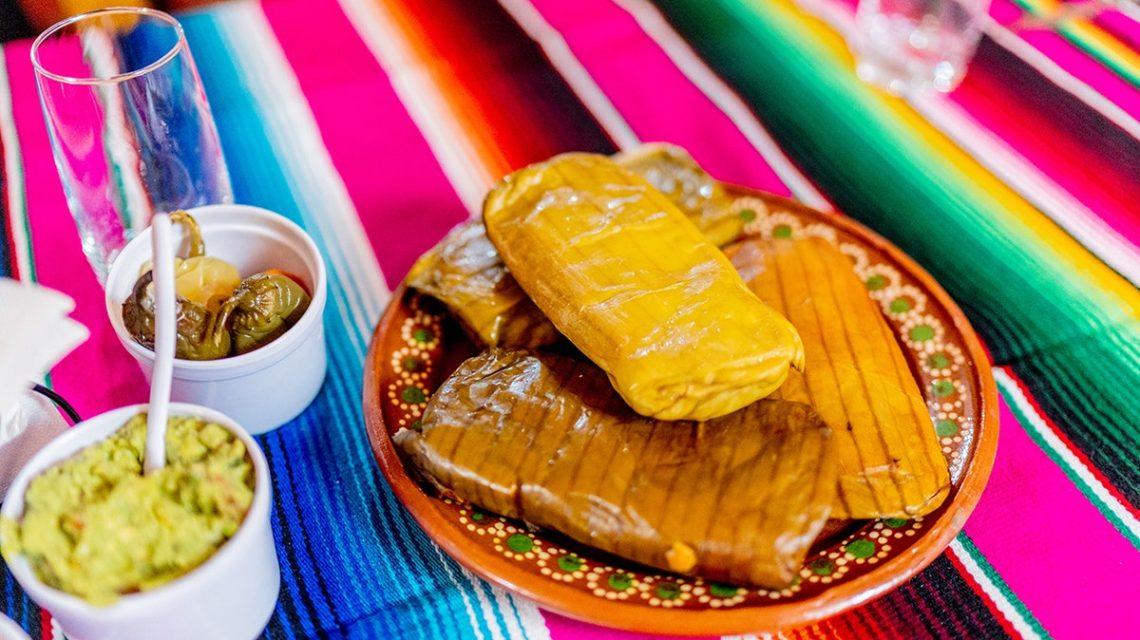
In recent years, tamales have been less common on Mexican restaurant menus in the United States, a notable change alongside traditional offerings like tacos, burritos, and enchiladas. According to Technomic’s Ignite Menu data, tamale entrées have decreased by 7.8% over the past five years, comparing the second quarters of 2021 and 2026.
One key reason for this decline is the significant labor required to make tamales, despite diners expecting them to be relatively affordable. Robert Mahon, director of operations for Mahon Hospitality Group, runs Amor Loco and Toro Loco in New York City. Though neither restaurant serves tamales, Mahon enjoys them and acknowledges the potential difficulties in offering them. “Even though the ingredients might not be so costly, it’s more the labor,” Mahon told Fox News Digital. “It’s so labor-intensive.”
The labor-intensive nature of tamales is evident at Taquería Picoso in Alexandria, Virginia, where executive chef Elio Gomez maintains the dish on the menu. His process takes about three days and involves sourcing corn from Mexico, followed by an overnight nixtamalization process. After nixtamalization, the corn is ground into masa. The masa is then mixed with fat, broth, and salt, which is aerated to achieve the desired consistency before assembling, wrapping, and cooking.
Training someone for this process also demands time. Gomez noted he spent months working with the employee who now specializes in making tamales. Even with a recipe, acquiring the skill to understand how the masa should feel and how to wrap the tamale correctly to prevent drying during cooking is crucial.
Despite the efforts, tamales do not generate the same demand as other Mexican dishes. “No, definitely it’s not the same demand as a taco, for example,” Gomez said. Mahon observed that his customers aren’t specifically asking for tamales either, indicating a shift in expectations.
Price further complicates demand. Gomez charges $6 for a tamale, considering the labor that goes into its preparation, although some customers recall much cheaper versions from the past. Historically in Mexico City, tamales were accessible as an everyday breakfast option sold by morning street vendors; however, in the U.S., they’re often seen as a special occasion food linked to family events and holidays.
For first-timers trying a tamale, Gomez describes it as a dish with fluffy masa, rich texture, and a comforting appeal. “You feel like you’re getting a hug when you’re eating a tamal,” Gomez shared.
Peter Burke, a lifestyle editor at Fox News Digital, covers various lifestyle subjects, especially food and drink.
 Effective Skincare Routine for Men with Particle Moisturizer
  Rising Trend: Solo Travel Gains Popularity
  Prepare for Rainy Fall Weather with Discounted Rain Jackets
  Review: Stokke Nighti 3-in-1 Convertible Cot Bed
  Embrace Failure: Turning Setbacks into Success
  Unusual In-Flight Behavior Leaves Passengers Stunned