Colt Gray, a teenager from Georgia, will spend his life in prison without parole for the 2024 shooting at Apalachee High School. Superior Court Judge Nicholas Primm delivered the sentence in Barrow County. The decision followed three days of intense testimony from survivors, victims’ families, and experts.
Gray pleaded guilty to 55 charges, including the murder of teachers Richard Aspinwall and Cristina Irimie, and students Mason Schermerhorn and Christian Angulo. He was 14 at the time, making the death penalty inapplicable under Georgia law. His sentence options ranged from life with parole to life without it.
Judge’s Remarks on Gray’s Motivation
During sentencing, Judge Primm acknowledged the rare circumstances of sentencing a youth to life without parole. He highlighted Gray’s awareness and planning of his actions, noting Gray idolized past shooters for fame. Primm explained that societal failings and family issues did not absolve Gray of his actions, which were calculated for infamy.
The judge noted evidence of Gray’s intent to make history through violence, as demonstrated by his writings and statements.
Impact on Victims’ Families
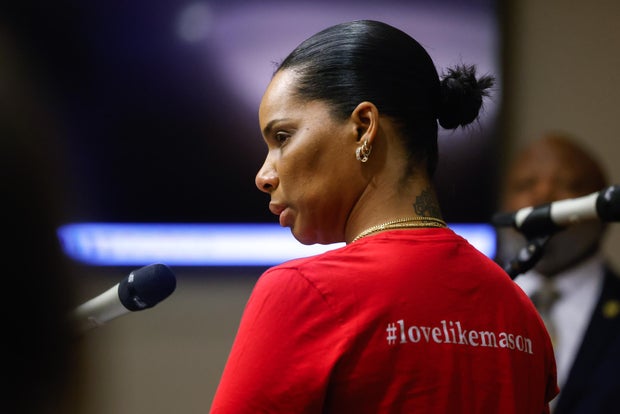
Victims’ families delivered emotional statements during the hearing, describing the trauma left by the shooting. They recounted the lives lost and the lasting effects on siblings, parents, and the Barrow County community. Mason Schermerhorn’s family shared the continuous struggle with anxiety and loss.
Prosecution’s Argument on Pre-meditation
Prosecutors detailed the meticulous planning involved in the shooting. Evidence included notebooks and messages revealing Gray’s fascination with other shooters, such as Nikolas Cruz. Gray meticulously planned the attack, drawing maps and timelines. District Attorney Brad Smith argued this demonstrated Gray’s calculated intentions.
Defense Focuses on Mental Health
The defense highlighted Gray’s troubled upbringing and mental health issues. Forensic psychologist Dr. Kevin Richards testified about Gray’s unstable family life, isolation, and immersion in harmful online communities. While Richards noted Gray’s remorse, he acknowledged exaggerations in Gray’s symptoms.
Juvenile counselor Steven Baker reported Gray’s cooperation and participation in programs during custody. The defense also called attention to Gray’s alleged abuse and neglect, with testimonies from family services exhibiting a history of concerns.
Family and Systemic Failures
DFCS Commissioner Candice Broce detailed abuse allegations within Gray’s family. Despite improvements in care, Broce noted negative influences contributing to Gray’s mindset. She stated Gray’s mother played a significant role in his fascination with school shooters.
Defense attorney Charlton Allen argued that Gray’s environment significantly contributed to the tragedy. He emphasized the potential for redemption and criticized the extremity of life without parole for a teenager.
Plea Avoids Trial
Gray’s guilty plea precluded a jury trial, which had been relocated due to media coverage. His father, Colin Gray, faces sentencing for charges linked to providing the weapon used in the shooting. Prosecutors argue he ignored warnings about Gray’s mental health.
 Lindsay Clancy Faces Potential Retrial After Mistrial
  Tennessee Prepares for Rare Execution of Woman on Death Row
  Mistrial in Lindsay Clancy Case: Juror Speaks Out
  Utah Judge Orders Release of Man on Death Row After DNA Evidence Emerges
  Kurt Olsen Resigns from the Justice Department Amid Investigation
  New Developments in Cornell University Fraternity House Assault Case