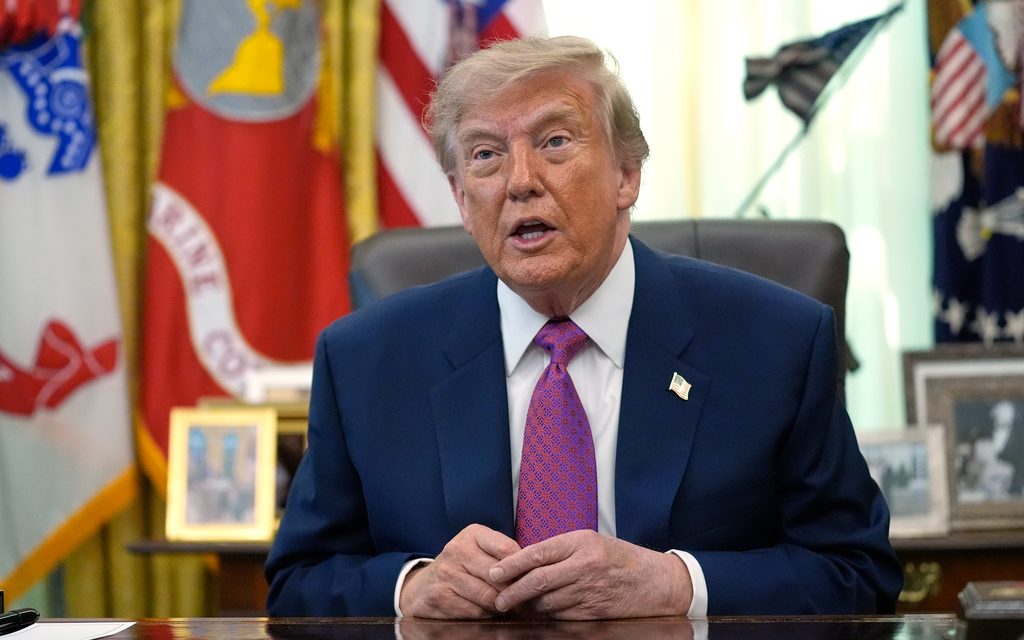
President Donald Trump addressed the nation from the Oval Office on Thursday, August 27, 2026, illustrating the enduring mystique of the presidency, a symbol of formidable power especially as the U.S. rose to being a superpower. Inspired by President Theodore Roosevelt’s notion of “speaking softly and carrying a big stick,” successive leaders understood the authority the office commanded. Engaging with adversaries and allies bore significant weight. Unfortunately, President Trump’s approach has diminished the seriousness of this power.
Trump’s personality, well known for being outspoken, appealed to many who desired candidness in politics. Diverging from politicians who meticulously scrutinized each word, Trump voiced unfiltered thoughts complemented by threats when disregarded. Entering his second term, Trump intensified his rhetoric, backed by the House, Senate, and Supreme Court, enabling him to pursue his specific objectives to transform the nation and his financial standing. Initially, his approach appeared effective. NATO members increased spending, its head dubbed him “daddy,” while companies adjusted diversity initiatives, universities settled to evade government intervention, and TV stations altered their content in response to his pressure.
The tone has shifted lately; resistance to Trump’s bullying tactics is apparent. His threats now lack substance. Entities ranging from foes and friends to politicians and citizens have started dismissing him. Iran exemplifies this, as Trump’s administration clings to Operation Economic Outcast, hoping Iran succumbs under economic pressure. Yet, continuous menaces didn’t prompt Iranian negotiations. Instead, they outwaited U.S. threats, leaving the nation anxious over rising oil prices, economic setbacks, and reduced interceptor inventories.
Canada responded assertively when Trump initiated another futile trade war. Their stance challenges any repercussions on the bilateral relations. Trump’s tariff threats severely misfired to the point he suggested renaming a lake for impact. Initially, Trump’s triumphs stemmed from experienced individuals who moderated his often impulsive statements. They understood the necessity of controlling Trump’s verbal outbursts for strategic efficacy. Thus, when issuing threats, he seemed a no-nonsense leader. His loyal followers appreciated this approach.
However, the current administration harbors individuals too eager to echo his rhetoric, indicating incompetence. Treasury Secretary Scott Bessent, despite being a successful businessman, failed to instill fear with his tough talk on Iran sanctions. Defense Secretary Pete Hegseth advocated Trump’s military vision vigorously yet neglected logistical essentials, negatively impacting the Iran conflict.
Historically, presidents have wielded power without threats of destruction. President Ronald Reagan’s demand for the Soviets to “tear down this wall” showcased firm yet controlled leadership. George W. Bush maintained focused communication post-9/11, even amid the Iraq invasion’s ramifications. Absence of restraint marks the present scenario, driven by Trump’s lack of emotional control and conflict with varied entities, from religious leaders to local students. His rhetoric has become background noise domestically and internationally.
Joslin Joseph, recognized with the Military Reporters and Editors award for Best Commentary-Opinion, is a Harvard and Ohio State alumnus. A Marine veteran, he served in Iraq. Copyright 2026 Nexstar Media Inc. All rights reserved.
 Cargo Plane Crash at Miami International Airport
  Marine Veteran Suing Oregon School District Over Curriculum Reimbursement
  Tennessee Execution Halted as Issues Persist with Lethal Injection Protocol
 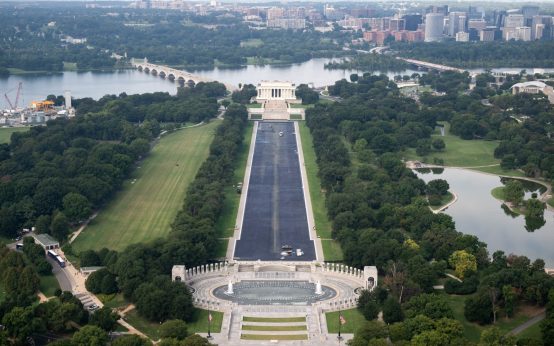 Judge Dismisses Case Against Former Olympian Over Lincoln Memorial Incident
  Minnesota Family Files Civil Rights Lawsuit Over ICE Agent Shooting
 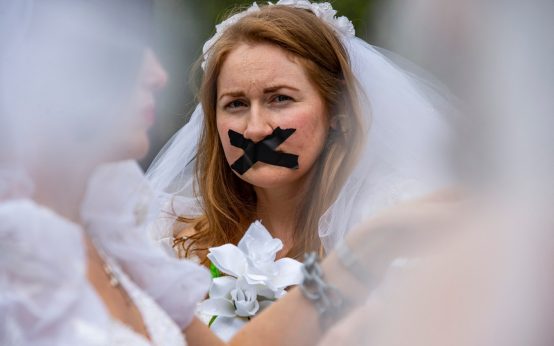 California Bans Child Marriage, Protecting Minors