Recent Allegations Shed Light on Prediction Markets
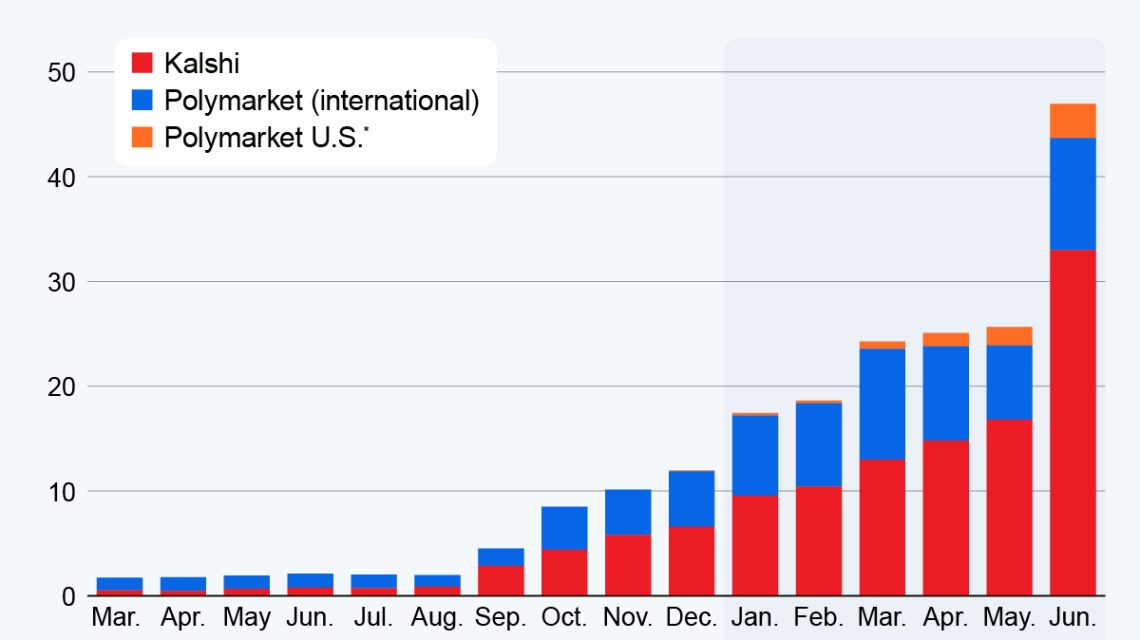
On Thursday, news emerged of a White House employee placed on unpaid leave. The reason? Allegations of betting on Donald Trump’s speech content. This incident might seem trivial, yet it highlights the growing reputation of prediction market platforms like Kalshi and Polymarket as both gambler havens and grounds for potential insider trading.
But the stakes rise when these bets aren’t limited to trivial subjects. Imagine wagers centered around significant events like elections or covert military operations. Prediction markets may not be mere gambling dens but tools for revealing hidden truths.
Insider trading remains unethical, but prediction markets make clandestine information more apparent to the public.
Changing Dynamics of Information Access
Historically, insider trading was confined to the affluent and influential. Politicians and executives gained from discreet deals while the public relied on headlines, missing the opportunity for informed foresight. Prediction markets have disrupted this secrecy, allowing more visibility into these hidden deals.
Consider recent events—a military insider charged with using classified data for profit. Such cases illuminate the potential of prediction markets to expose discreet decisions and actions by governments and organizations.
From Opinion Polls to Prediction Markets
Analysts often compare public polling to prediction markets. Polls focus on opinions, while prediction markets gauge what people risk money on. The crucial distinction lies in speed. Prediction markets operate in a fast-paced, digitized world whereas traditional polls lag.
Studies indicate that prediction markets sometimes surpass conventional polls in accuracy. For instance, a Vanderbilt University study revealed Polymarket’s effectiveness in predicting swing state results in presidential elections.
More research is essential, yet tracking prediction markets before political events may provide clearer insights than conventional news outlets or social media echo chambers.
Expanding Applications of Prediction Markets
Prediction markets offer more than personal insight. Their potential extends to areas like climate forecasting. Accurate climate predictions are complex, influenced by varying motivations of stakeholders from mayors to farmers and insurers.
Incentive structures in climate forecasting can lead to biased outcomes. However, recent research suggests prediction markets could standardize these forecasts by providing odds-based evaluations.
While prediction markets won’t solve climate change, they might enhance forecasting reliability. Yet, these markets harbor darker possibilities.
The Risks of Manipulation
Congress recently barred Senators from prediction market betting. Similar legislation is anticipated for other chambers. Some U.S. states, too, face regulatory battles over these platforms.
Consider misuse at governmental levels. Could agencies exploit prediction markets to manipulate foreign defenses? Monitoring adversarial reactions to strategic betting might alter geopolitical dynamics.
Prediction markets hold immense potential—powerful and prone to misuse but promising strategic clarity for an increasingly complex world. While they might obscure reality, they offer a chance for deeper understanding when approached wisely.