Overview of the Agreement
In late August, President Donald Trump announced what he termed the “biggest oil deal in world history.” This agreement grants the U.S. sweeping access to Venezuela’s oil reserves. A review of the 18-page strategic partnership agreement, signed by Secretary of State Marco Rubio and Defense Secretary Pete Hegseth, reveals terms that prioritize U.S. interests and empower a select group aligned with the Trump administration.
Key Players and Hidden Investors
The Trump administration’s partner in this deal is Alejandro Betancourt, a Venezuelan oligarch under past money-laundering investigations. The U.S. takes a 35% stake in Betancourt’s firm, North American Blue Energy Partners (NABEP), through a parent company based in Barbados. However, this document lacks transparency regarding the owners behind this parent company, potentially enabling them to gain significant wealth.
Board Control and Long-Term Strategy
The deal protects Betancourt’s position as chief executive and establishes a seven-member board governing the venture for 15 years, with a majority of board members required to be U.S. citizens. This strategic structure aims to prevent future U.S. and Venezuelan leaders from dismantling the enterprise. The Venezuelan role and benefits to its citizens appear minimal.
Critical Reception and Legal Challenges
There is criticism over Trump’s choice in partnering with Betancourt and questions about his past financial dealings. The legality of the Pentagon’s agreement with a foreign entity under sanctions is also disputed. Aspects of the deal have drawn scrutiny, with calls for transparency and potential congressional hearings.
Venezuela’s Perspective and Interim Governance
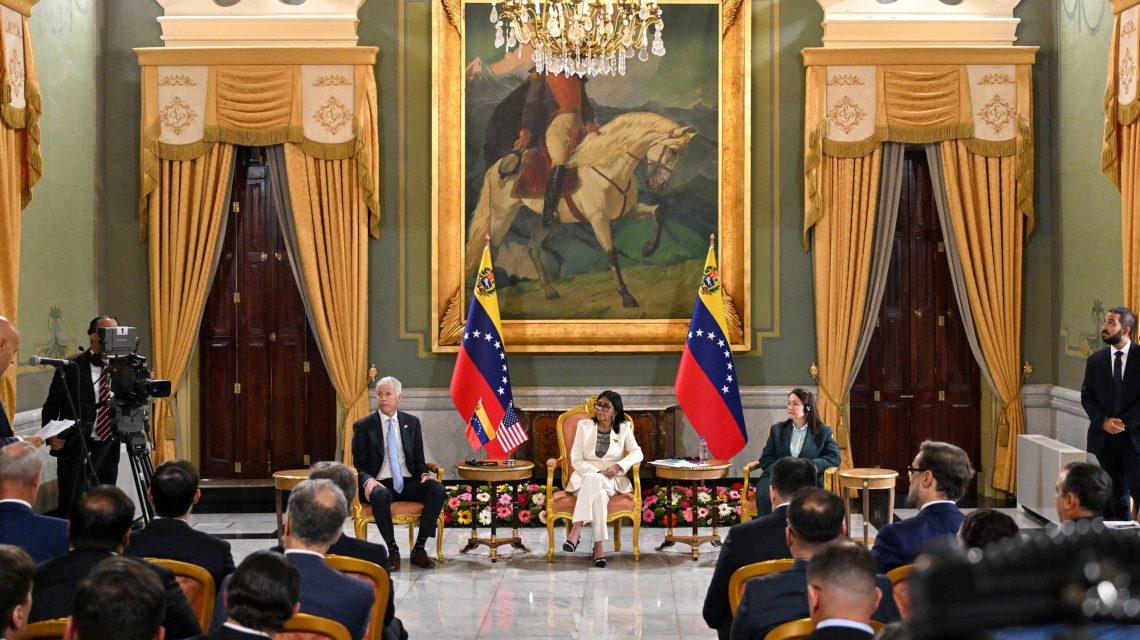
Delcy Rodríguez, Venezuela’s interim president endorsed by Trump, praised the accord as preserving Venezuela’s sovereignty. The opaque nature of the agreement and the lack of Venezuelan participation raise concerns over long-term benefits and national interest.
Financial Arrangement and Public Reaction
Under the agreement, the U.S. secured a discount on 20% of NABEP’s oil and has priority purchasing rights. However, operational costs and issues such as blending costs paint a complex picture of the deal’s financial prudence. A confidentiality clause limits public understanding of the agreement’s terms.
Future Outlook
The alliance with Betancourt has stirred controversy within political circles. Legal reviews raised questions about Betancourt’s involvement and the ethical considerations of partnering with him. Despite these concerns, the Trump administration proceeded, touting the deal’s strategic importance for energy access.