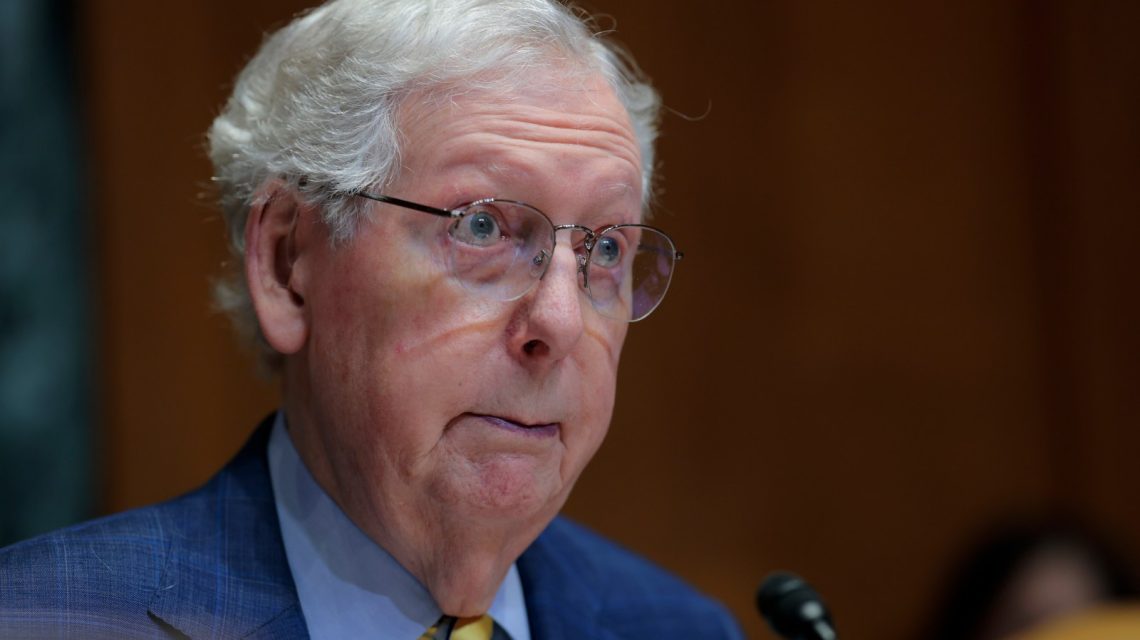
Senator McConnell’s Recovery Sparks Debate
Senator Mitch McConnell’s recovery from a fall in June has reignited discussions about paid leave policies in America, especially concerning maternity leave. His absence from the Senate was fully paid, highlighting a disparity faced by many women after childbirth.
Despite continued absence, McConnell, a Kentucky Republican, remains on the federal payroll. Congress lacks an official paid sick leave policy, allowing members to receive salaries indefinitely during medical leave. Meanwhile, countless American women who give birth have no assured paid maternity leave.
Current Maternity Leave Policies in the U.S.
The United States is unique among wealthy nations for its lack of federally guaranteed paid parental leave. The Family and Medical Leave Act (FMLA) offers up to 12 weeks of job-protected leave but does not guarantee it will be paid. Moreover, it excludes many workers from small businesses or those not meeting minimum employment criteria.
Only a few states, including California and New York, maintain paid family leave programs, providing partial wage replacement for qualifying individuals. In contrast, most states’ workers rely on employer benefits or unpaid leave. No state universally ensures paid maternity leave for all employees via a state program.
Factors Affecting Maternity Leave Benefits
Access to paid maternity leave primarily hinges on location and employer policies. Federal law does not grant paid leave after childbirth. Some employers voluntarily offer it, while states with paid leave programs provide partial wage replacement through state funds.
Attorney Thomas Ricotta and Professor Margaret Quinlan highlight the disparity between Congress and regular citizens. They argue that postpartum recovery should receive policy support similar to other significant medical events.
McConnell’s Medical Leave Timeline
McConnell’s leave started on June 14 following a fall. During his medical absence, he received full salary, remaining a sitting U.S. senator. Released from rehabilitation after 53 days, McConnell continued recovering at home with no set return date to Senate duties.
His salary and job security during the leave contrast sharply with women’s maternity leave experiences across the country.
Reaction from Political Figures
Kentucky Governor Andy Beshear questioned McConnell’s ability to fulfill Senate responsibilities amid his extended leave. The call for transparency and accountability reflects ongoing scrutiny over McConnell’s condition. Beshear suggests resignation if McConnell cannot prove fitness to serve.
Implications and Advocacy for Change
Organizations like The First Ask advocate extending generous leave benefits to more Americans, highlighting the need for universal maternity leave comparable to Congressional benefits. Caroline Welles emphasizes the need for policy reform.
Discourses continue as advocates push for comprehensive paid family leave, ensuring women can efficiently recover postpartum before workplace reintegration. The issue mirrors broader inequities in public policy affecting everyday Americans.
 Sen. Cotton Opposes Permanent Daylight Saving Time
 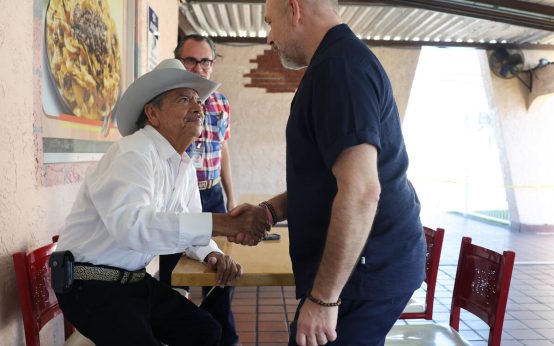 Steve Hilton’s Latino Outreach and Gubernatorial Ambitions
 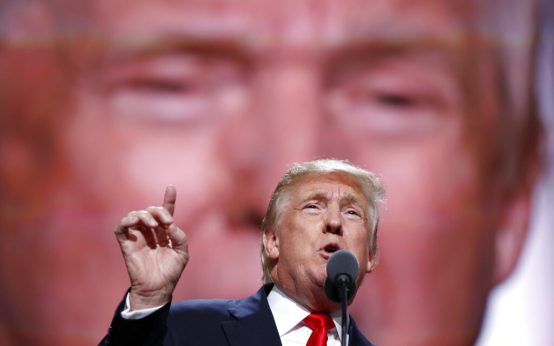 The Need for Reform in Presidential Nominations
 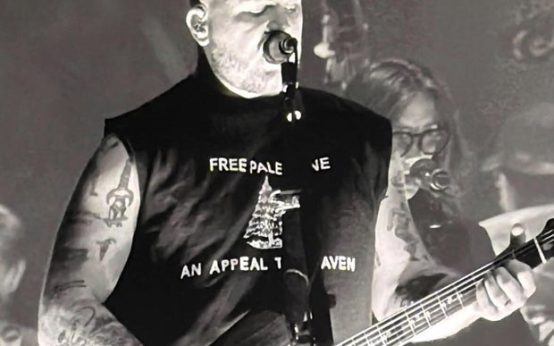 Controversy Surrounds Performances at Gillette Stadium
  Early Detection of Atherosclerosis and Heart Disease Prevention
  Celebrity Controversies Over Political Activism and Speech