
America faces a significant challenge with nearly 7 million unfilled jobs. Employers often can’t find workers with the necessary technical skills. However, business owners point to different issues, such as punctuality, initiative, and handling feedback, as barriers to filling open positions.
Some blame globalization or automation, yet the real issue originates in the classroom. The crisis starts with educational institutions failing to teach key character traits. As a former teacher and school administrator, I observed this first-hand. Schools have neglected vital responsibilities like character development.
The focus has shifted from building resilience, responsibility, perseverance, and initiative to prioritizing a child’s feelings over performance. The “child-centered” approach has mistakenly led children to believe they are the center of everything, compromising the education of resilience and responsibility.
Participation trophies have replaced real accomplishments. Inflated grades have replaced excellence. Protecting self-esteem is preferred over preparing students for the challenges of adulthood. True confidence stems not from praise but from achieving difficult tasks.
Pressure, deadlines, competition, and failure are actually valuable teaching tools. They encourage growth, yet many classrooms avoid these to prevent stress. Students then graduate without facing real consequences until they enter the workforce.
Graduates often expect executive positions without demonstrating ability. They seek praise before showing productivity and choose grievance over perseverance. These attitudes are deeply ingrained through years of lowered expectations and substituted achievements.
The fault lies in how schools have avoided teaching responsibility and moral virtues like discipline, humility, and personal accountability. Without these teachings, students struggle to accept personal shortcomings.
American education must shift focus back to teaching virtues that form the backbone of a robust workforce. Schools must re-engage with teaching accountability and preparation for real-world challenges, allowing students to learn from adversity rather than being sheltered from it.
Employers express frustration with the workforce, but blame should not rest on young workers alone. The educational system failed long before they entered the job market.
The solution lies where the problem begins: education. A renewed focus on character development and practical life skills is crucial for resolving these workforce challenges.
Marissa Streit serves as CEO of PragerU, advocating for these necessary educational reforms.
 Troy Swanson: Award-Winning Librarian Transforming Academic Libraries
 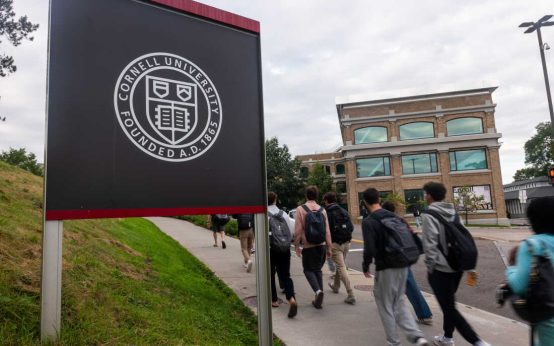 Cornell University to Investigate Handling of Alleged Assault Case
  Legal Challenge Against School Funding Inequalities in West Virginia
  Potential Changes Loom for School Voucher Programs
  Regents Exam Elimination Raises Concerns Over Student and School Accountability
  Education Funding Disparities in West Virginia