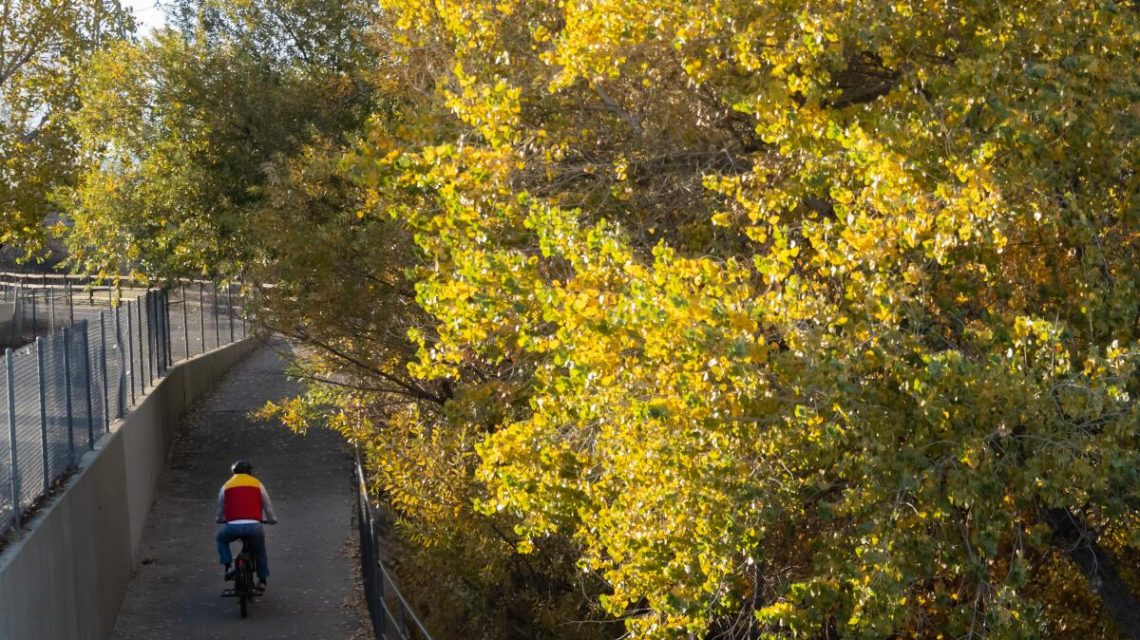
Nearly three decades ago, communities in the Santa Clarita Valley started discussions about forming a city. Since then, the area has transformed significantly. Initially, it consisted of four distinct communities: suburban Valencia, historic Saugus, Newhall, and rural Canyon Country.
Developers saw potential in this region 45 miles north of Los Angeles for subdivisions and office parks. Santa Clarita’s growth has been exceptional, making it the third-largest city in Los Angeles County, following L.A. and Long Beach.
While L.A. County grew slowly, with a mere 0.5% increase in population from 2010 to 2024, Santa Clarita led growth in the county. Developers turned open space into residential areas, leading to a rapid population increase.
Santa Clarita’s Expansion
The city expanded by annexing unincorporated territories, accommodating new residents. According to census data, the city’s growth stemmed from absorbing residents into new housing developments. Mayor Laurene Weste explained that the city has constructed 43 parks and acquired 16,000 acres of open space to cater to the increasing population.
The city feels pressure from the state to provide more housing. Despite growth challenges, Mayor Weste is pleased with the city’s development and describes it as a fun place to live.
Infrastructure and Employment
Santa Clarita offers some advantages over distant suburbs, such as shorter commutes due to companies relocating north, especially in the entertainment industry. Disney’s movie ranch near Placerita Canyon is a significant employment center.
Nonetheless, many residents still endure long commutes. The Antelope Valley, home to Lancaster and Palmdale, offers affordable housing but is farther from Los Angeles. This area saw a 10% population increase, from 383,000 to 423,000, over 14 years.
Growth Challenges
According to Zev Yaroslavsky from UCLA, the Antelope Valley has space to grow without the conflicts faced by more developed areas. While housing remains more affordable than in West Los Angeles or Sherman Oaks, housing prices are still high.
Many families earn less than $90,000 annually, limiting their options in the new housing market. Affordable housing remains a critical issue, with developers facing regulatory and legal challenges, especially in projects like the proposed city in Tejon Pass.
Downtown Los Angeles Developments
The skyline of downtown Los Angeles reflects its rapid development over the last 15 years. Residential high-rises increased, especially in South Park, Bunker Hill, and near the Crypto.com Arena. Despite facing challenges, downtown is shifting to a more residential community.
From 2010 to 2024, downtown’s population surged by 44%, thanks to new apartment constructions. This growth represented 25% of L.A. County’s multifamily housing development, with approximately 29,000 new units added.
Though office vacancies rose post-COVID-19, residential growth continued. Residents, drawn to the dense urban setting, remain pro-growth.
Playa Vista’s Rapid Growth
Playa Vista, a planned community on the Westside, experienced remarkable growth by repurposing unused land. Previously home to the Hughes aircraft facility, Playa Vista now boasts thousands of new housing units.
Playa Vista offers modern development with tidy townhouses, parks, and a planned community atmosphere, unlike much of Los Angeles. This unique setting continues to attract new residents.
 California Bans Child Marriage, Protecting Minors
  U.S. States Extend Gas Tax Waivers Amid Rising Fuel Costs Due to Iran Conflict
  Historical Events in Chicago on October 1st
  Patrick McEnroe Advocates for Collegiate Athletic Reform
  Push for Reparations Faces Challenges and Calls for Strict Eligibility
  Texas Man Arrested for Threatening State Capitol Attack