The Trump administration is escalating efforts to revoke U.S. citizenship from a growing number of individuals. Authorities announced 10 new cases targeting those accused of crimes or immigration fraud. Under President Trump, there is a marked increase in the pursuit of denaturalizations, with the government focusing on individuals believed to have fraudulently obtained citizenship.
Denaturalization cases are subject to stringent legal requirements, making them less common than visa revocations. Yet, recent months have seen a deliberate push to file a higher number of cases, primarily against those alleged to have concealed or misrepresented crucial facts during the naturalization process. A list released by the Department of Homeland Security (DHS) and the Department of Justice (DOJ) identified individuals accused of committing crimes prior to their citizenship applications. Newsweek attempted to obtain attorney information for the defendants, but no such details were available in the public court records at the time of publication.
Assistant Attorney General Brett A. Shumate from the Justice Department’s Civil Division emphasized the administration’s zero-tolerance stance. “We refuse to give a free pass to criminals who cheated their way into American citizenship,” Shumate stated in a press release. He affirmed that the Justice Department is fully committed to pursuing cases of fraud during the naturalization process.
U.S. Citizens Facing Denaturalization
The DOJ and DHS list includes six individuals from Mexico, alongside one each from Cuba, Pakistan, Peru, and Poland. Several are accused of serious crimes such as child sexual abuse and using fraudulent documents or statements during their citizenship processes.
The administration argues that these individuals should not have been granted citizenship, as they concealed key information. Some cases allege that serious crimes were committed before or during their U.S. citizenship application period. For instance, Urbano Vazquez Ortega, originally from Mexico, became a citizen in 2017. He was convicted of multiple child sexual abuse charges and received a 15-year prison sentence in 2019.
Other examples include Francisco Montano, who faced assault charges tied to conduct occurring before his 1997 naturalization. Similarly, Jimmy Aguero from Peru received a decade-long sentence for sexual abuse of his stepdaughter. Martin Garcia Cardiel was convicted on multiple counts, with offenses allegedly taking place prior to his 2011 naturalization.
Other cases involve allegations of fraud or identifying misconduct. Yoskmaikel Rodriguez Perez, a Cuban national, is accused of hiding a Medicare fraud scheme involving over $886,000 in false claims prior to gaining citizenship. Additionally, Murtaza Ali from Pakistan used various aliases to secure immigration benefits. He later pled guilty to making false statements to federal authorities.
Case details regarding Antonio Alcantara-Ruiz and Ceflo Luviano-Mojica focus on identity-related crimes, including using another individual’s identity documents and concealing past arrests. Several more cases involve drug-related and financial crimes. For example, Omar Cantu-Montalvo, naturalized in 2005, participated in a cocaine trafficking conspiracy shortly before applying for citizenship. From Poland, Marcin Stanislaw Garbacz faced convictions for wire fraud and illicit sexual conduct, activities he allegedly concealed to gain U.S. citizenship.
Understanding Denaturalization
In each case, the United States must show that the individual’s naturalization was illegally procured through deliberate misinformation or concealment of critical facts, especially during times supposed to demonstrate “good moral character.” Through civil denaturalization processes in federal courts, authorities aim to revoke citizenship, possibly returning individuals to noncitizen status and exposing them to deportation risks.
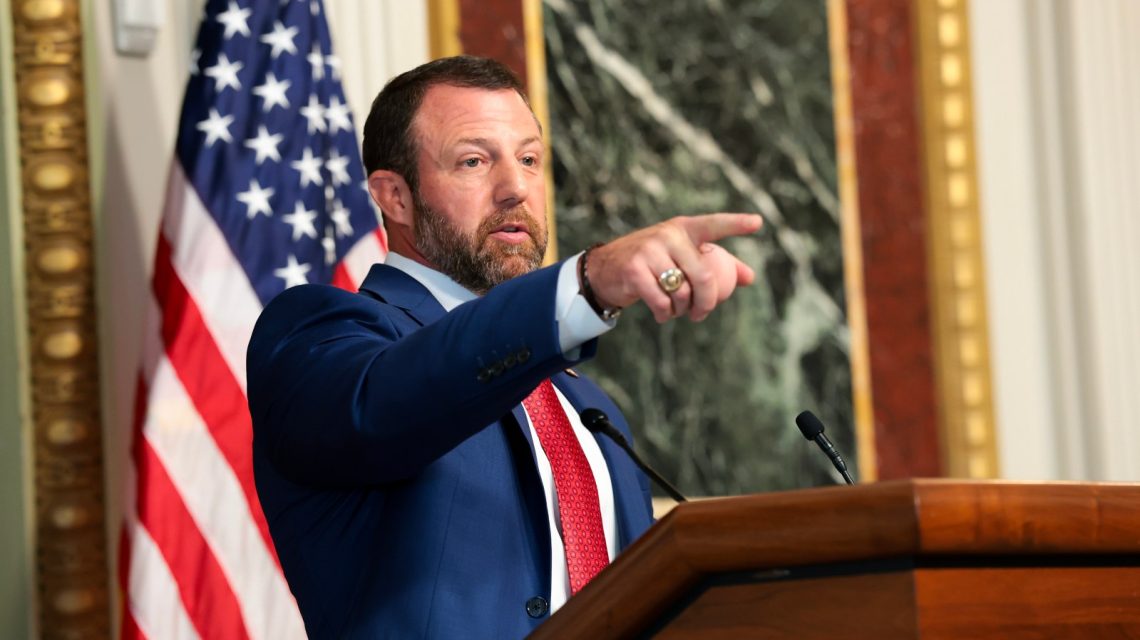
“When you commit fraud during the naturalization process, you forfeit the right to keep your U.S. citizenship,” DHS Secretary Markwayne Mullin stated. “These criminal aliens lost that right, exploiting our immigration system and harming genuine U.S. citizens. DHS is determined to denaturalize and remove these fraudsters using all available methods.”
Despite current political discourse, denaturalization remains rare. From 1990 to 2017, there were about 11 cases per year on average, according to the Brennan Center for Justice. During the early years of the Trump administration, the annual number rose to around 25, still a small fraction compared to the over 24 million naturalized citizens.
 The Trump Team’s Challenge to the Military Leadership
  Maryland First State to Restrict Electronic Pricing in Grocery Stores
 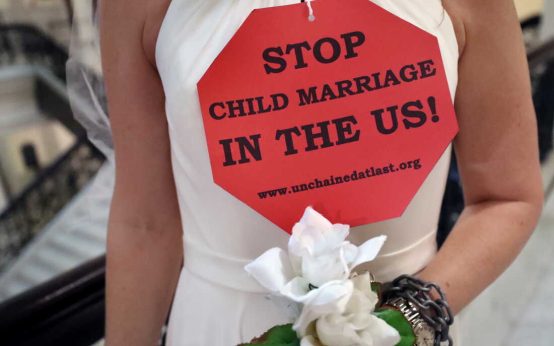 Activists Push for Nationwide Ban on Child Marriage in the U.S.
  Democratic Hopes and Historical Warnings in 2026 Senate Race
  Republicans Face Challenges Amidst Cost of Living Concerns
  A Different Kind of Fall for Congress This Year