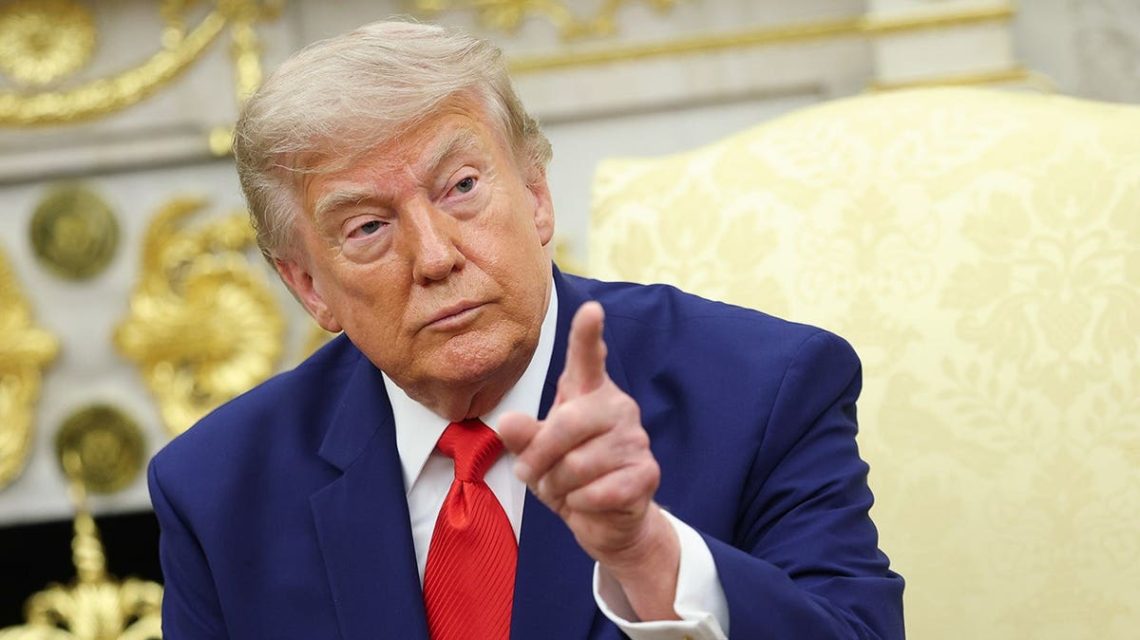
Transforming Federal Hiring Practices
Office of Personnel Management (OPM) Director Scott Kupor has outlined significant changes in federal hiring practices under the Trump administration. The focus shifts from Diversity, Equity, and Inclusion (DEI) to merit-based hiring. This transformation includes eliminating self-attestation and implementing skills-based assessments. Such reforms aim to enhance accountability among federal employees and streamline performance across the federal workforce, which numbers 2.2 million.
Removing DEI Policies in Favor of Merit-Based Hiring
Recently, a final interim rule was issued by the OPM, removing references to the 1978 Uniform Guidelines on Employee Selection Procedures. These guidelines encouraged race-conscious employment decisions, deemed unconstitutional by a recent Justice Department opinion. By removing these guidelines, federal agencies will now focus more on qualifications rather than racial outcomes in hiring practices.
The initiative affects how agencies handle hiring by eliminating guidance centered on ‘disparate impact’, which considers unequal outcomes among racial groups as potentially problematic legally, even without intentional discrimination. The administration argues that these guidelines pressured employers into decisions based on race rather than merit. However, supporters believe these guidelines help prevent subtle forms of discrimination.
The New Hiring Rule and Its Immediate Impact
OPM Director Scott Kupor emphasized that federal hiring should emphasize merit, qualifications, and job performance ability. The new rule, effective immediately, requires OPM regulations to align with legal guidance while maintaining rigorous, job-related standards. The rule remains open for public comment for 60 days before determining its permanence.
This move exemplifies the administration’s strategic overhaul, targeting the legal framework that critics argue supports DEI policies. OPM, the federal government’s HR agency, sets policies for approximately 2 million civilian federal employees, shaping recruitment, hiring, promotion, and workforce management.
Broader Reforms and Impacts
Since President Trump’s second term, the administration has highlighted colleges rolling back DEI initiatives and made changes to policies involving transgender participation, parental rights, race-conscious programs, and merit-based admissions. They have dismantled federal DEI programs, terminated related grants and contracts, and enforced compliance requirements for federal contractors. Schools face potential funding loss over specific DEI practices.
These actions reflect a broader effort by the administration to eliminate DEI policies and promote a merit-oriented framework across various sectors.
 Defense Secretary Emerges as Key Player in the Trump Administration
  Hegseth’s Vision for the Military: Balancing Tradition and Innovation
 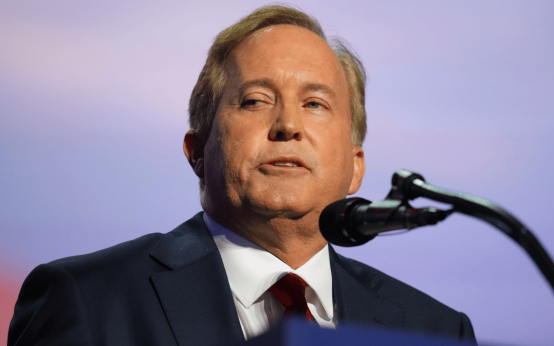 Significant Funding Boosts Ken Paxton’s Texas Senate Campaign Amid Tight Race
  U.S. States Extend Gas Tax Waivers Amid Rising Fuel Costs Due to Iran Conflict
  USCIS Raises Immigration Fees
  The Surveillance Threat to U.S. Federal Agents