Background
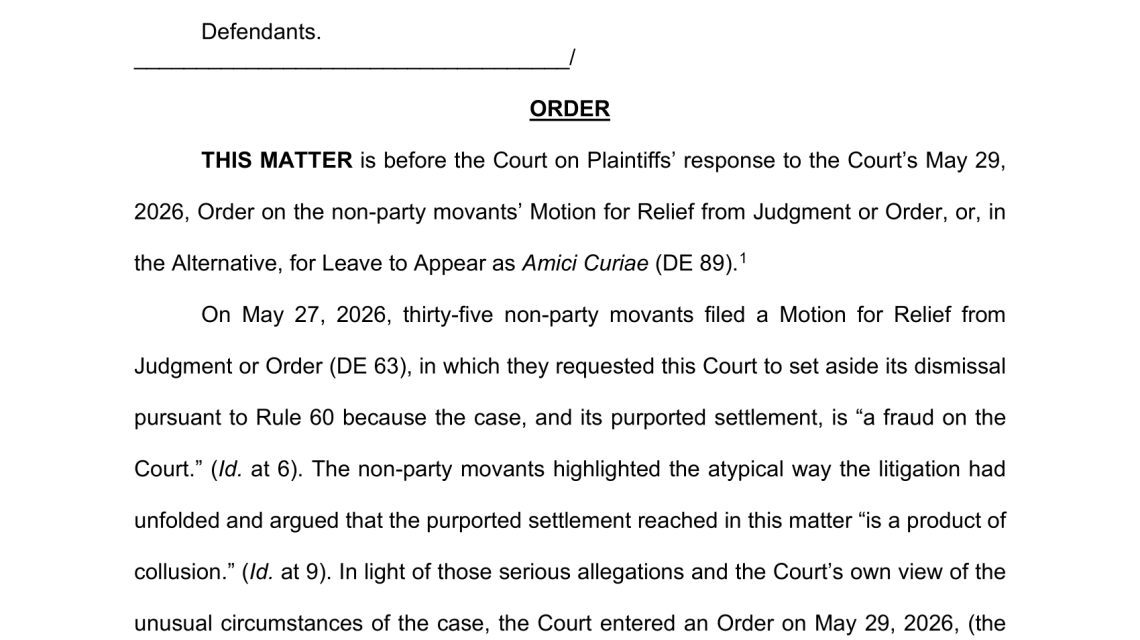
In a lawsuit filed by President Donald J. Trump against the IRS and the U.S. Treasury, the court examined allegations of tax information mishandling. The conflict centered on whether there was sufficient adverseness, as Trump, the executive branch head, essentially holds control over the defendants.
Litigation Overview
The proceedings began with concerns over ethical behavior and dismissal of the case. The court explored the unique aspect of a sitting President suing parts of the executive branch.
Issues of Control
The court noted the lack of adverseness, highlighting President Trump’s control over the defendants. The executive order and appointment power further confirmed this dynamic. Reporting relationships showed alignment between agency heads and the President.
Lack of Adverseness
The court determined there was no real conflict; instead, the situation was used to gain judicial approval for a prearranged agreement. Trump’s historical assertion that the DOJ is under his command reinforced this viewpoint.
Settlement and Conduct
The purported settlement involved an “Anti-Weaponization Fund,” totaling $1.776 billion, which was ostensibly set to address grievances not legally defined. This settlement raised serious concerns regarding its legitimacy and the lack of judicial review.
Ethical Considerations
Key figures involved in the settlement were noted for previous associations with President Trump, raising questions about potential conflicts of interest.
Judicial Decision and Sanctions
The court used its Rule 11 authority to address improper purposes, determining the lawsuit was filed not to resolve legitimate legal disputes but to validate an agreement granting immunity and substantial funds to parties without established claims.
Sanctions Imposed
The sanctions include:
- Attorney Alejandro Brito referred to The Florida Bar.
- Denial of pro hac vice admission for Daniel Epstein for one year.
- Prohibition of referencing the “settlement” in any legal setting.
Inherent Authority
The court’s inherent authority was invoked to impose fees for counsel of amici curiae, although those appointed declined compensation. The judgment highlights the misuse of judicial resources intended for genuine litigation.
Conclusion
This case lacked the essential legal adverseness and was determined to be an inappropriate use of judicial processes. It was a manipulation to achieve pre-set goals, reinforcing the importance of maintaining judicial integrity.
 Lindsay Clancy Faces Potential Retrial After Mistrial
  Tennessee Prepares for Rare Execution of Woman on Death Row
  Mistrial in Lindsay Clancy Case: Juror Speaks Out
  Utah Judge Orders Release of Man on Death Row After DNA Evidence Emerges
  Kurt Olsen Resigns from the Justice Department Amid Investigation
  New Developments in Cornell University Fraternity House Assault Case