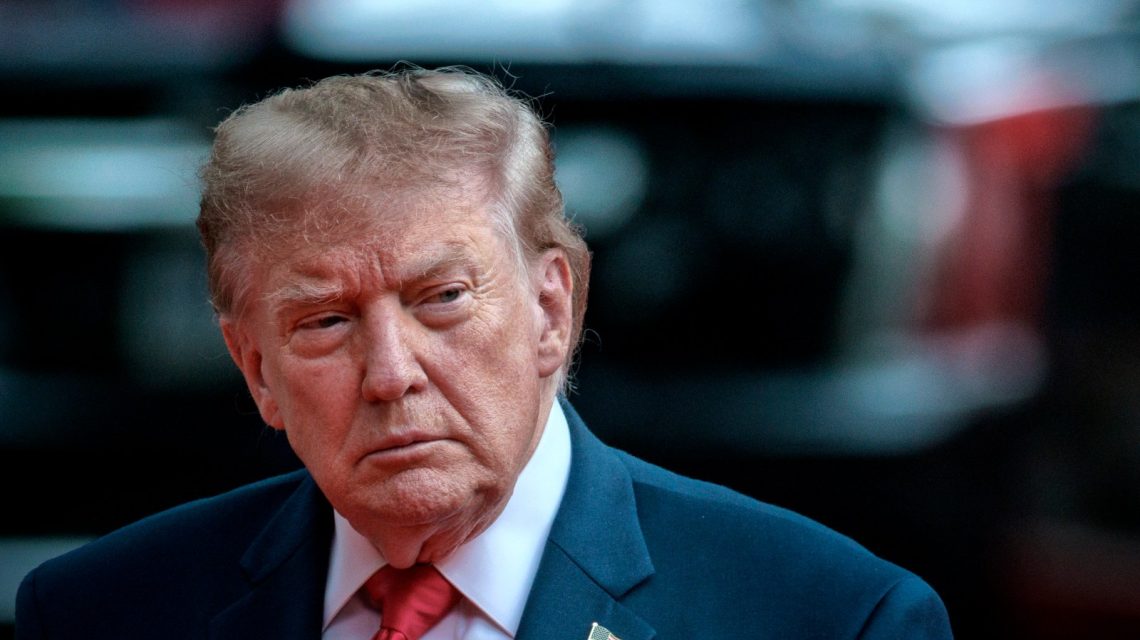
President Donald Trump’s approval ratings have seen a decline following the recent midterm elections. These elections resulted in Democrats gaining control of both the House of Representatives and the Senate. Review aggregator RealClearPolitics showed Trump’s approval rating at -21.7 points, averaging 37.9% approval and 59.6% disapproval. This reflects a slight drop from November 5, when his net approval was -20 points, with 59.1% disapproving and 39.1% approving.
This decline in approval ratings accompanies growing voter discontent with the Iran war and the economic situation. Such challenges have posed significant obstacles for the GOP in defending their congressional positions. Democrats are expected to secure 56 seats in the Senate and around 259 to 260 seats in the House, marking significant majorities not seen in years. Analysts attribute this partly to public opinions of the president.
Grant Davis Reeher, a political science professor at Syracuse University, noted that Trump’s once strong image as a political winner suffered with these outcomes. Even traditionally Republican states like Texas saw Democratic victories. Reeher emphasized that approval ratings in a president’s last two years are usually hard to improve. However, he pointed out that Trump’s already low approval means there might be room for improvement if some unpopular policies are revised and economic progress is made.
Newsweek reported a recent poll by YouGov and The Economist showing Trump’s approval dropped to -30 points, with 33% approval and 63% disapproval among surveyed adults. Previous YouGov polls had slightly higher approval ratings at -26 points, showing 36% approval and 62% disapproval.
Despite variations in polling, Morning Consult’s data indicated a steadier approval level, with -17 points, 40% approval, and 57% disapproval. Echelon Insights provided similar data with a -27 point rating, 26% approval, and 63% disapproval among registered voters.
These evolving approval metrics have implications for the Republican Party’s future. Facing a minority position in Congress, Republicans will strategize for 2028. Vice President JD Vance and Secretary of State Marco Rubio are potential candidates, alongside others like Florida Governor Ron DeSantis, who may appeal due to less association with Trump’s administration.
Trump’s influence has extensively transformed Republican politics. Reeher noted that while distancing from Trump could be complex due to past support records, some Republicans will attempt this shift. Representative Ryan Zinke mentioned ongoing Republican conversations about the party’s direction beyond Trump, implying that the party feels some relief from this change.
Trump has voiced his objections to negative polling through platforms like Truth Social. On August 30, he contested poll credibility, calling them tactics to demoralize Republicans. He claimed that actual public sentiment and spirit within the country remain strong.
The scrutiny on Trump’s approval ratings will continue as the 2028 elections approach, influencing both Republican and Democratic strategies as they vie for the presidency.
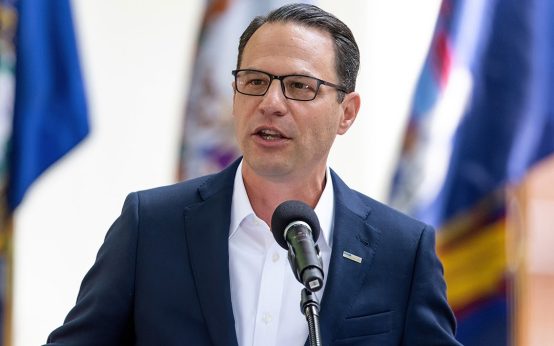 Texas Governor-elect Expanding Abortion Exceptions and Pennsylvania’s Abortion Rights Debate
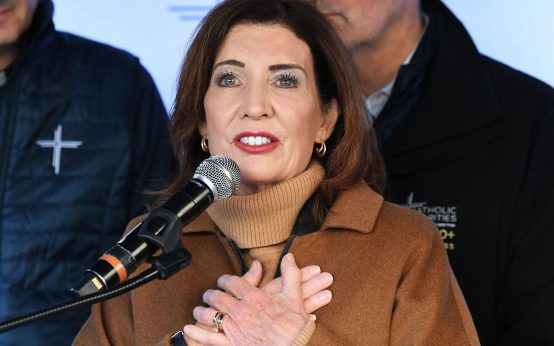 Gov. Hochul’s Upcoming Battle Against New York’s Trial Lawyers
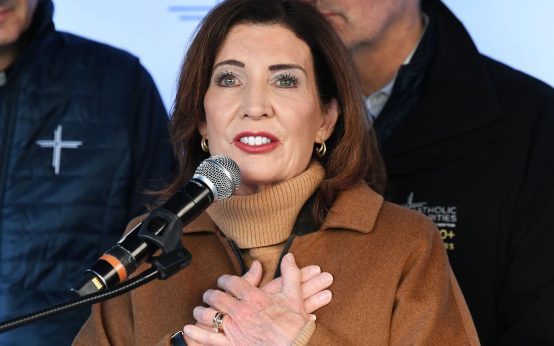 Governor Hochul’s Strategy to Enhance New York’s Affordability
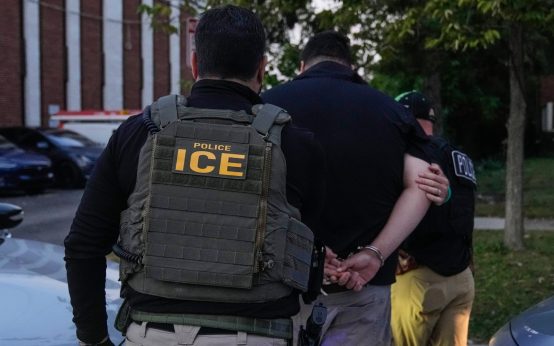 States Challenge Immigrant Enforcement Amidst Legal Battles
 The Rule of Law and the Fall of the Roman Republic
 Latest Developments in Politics, Technology, and Economy