Decline in Approval Ratings
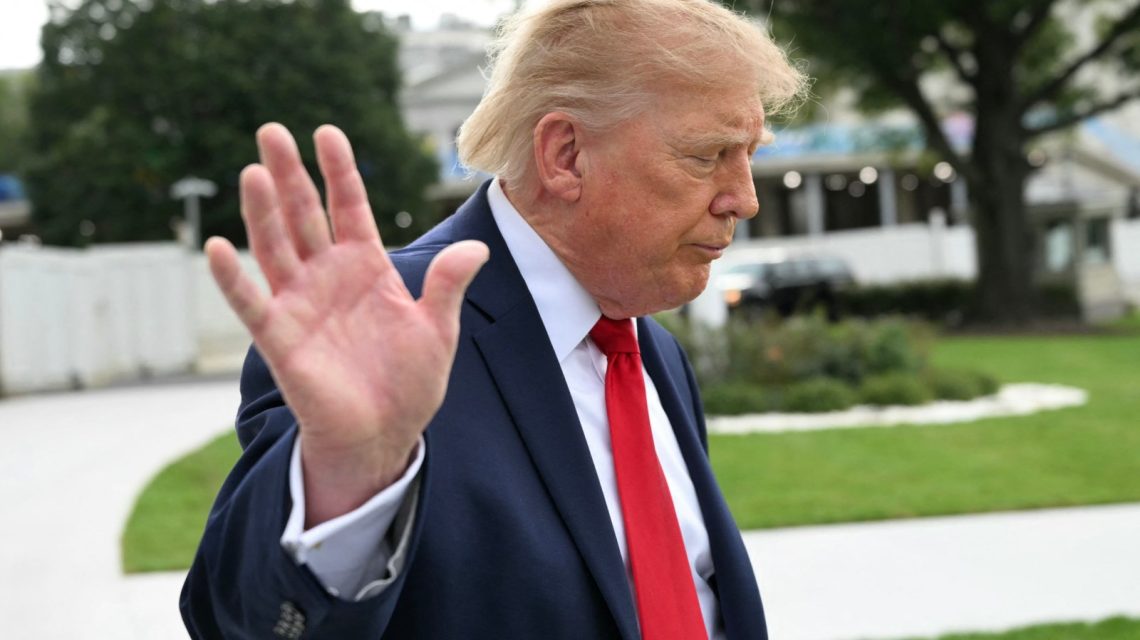
President Donald Trump’s decision to temporarily increase beef import quotas has led to a drop in his net approval rating across ten key beef-producing states. This change occurred from August 21 to September 21, as reported by Civiqs’ rolling online tracking survey. The affected states include Florida, Kansas, Kentucky, Missouri, Montana, Nebraska, North Dakota, Oklahoma, South Dakota, and Texas.
The White House suggested that added imports could make beef more affordable for consumers. However, critics voice concerns about the competition from imported beef affecting U.S. ranchers as they attempt to rebuild the national cattle herd. Trump’s policy faces the challenge of lowering grocery prices while safeguarding domestic cattle producers against increased competition.
Statistics and Political Implications
Every state in the survey experienced a decrease in net approval within the specified timeframe. Kentucky and Oklahoma witnessed a three-point decline, while other states saw more modest drops.
“Trump lost three points in Kentucky, falling from -8 to -11, and Oklahoma, where he slipped from +4 to +1.”
The average decline across these states was 2.1 percentage points, with the median decrease at two points. While the statistics indicate a consistent pattern in cattle-producing areas, they do not definitively tie Trump’s beef policy to the shifts in approval ratings. Various factors can influence presidential approval, and recent changes ranged between one and three percentage points.
Beef Importation Plan Details
Trump’s administration introduced the beef import plan on August 21 to tackle rising grocery store prices. The initiative permits the U.S. to import an additional 300,000 metric tons of beef for ground beef production over 90 days, bypassing the typical higher out-of-quota tariff.
On Truth Social, Trump declared, “For the next 90 days, the United States will allow up to 300,000 metric tons of product for ground beef to be imported with no out-of-quota tariff.” He claimed this arrangement would sell beef at 25 percent below market rates, offering Americans affordable prices while fostering growth for the American Beef Herd.
Industry Response and Criticism
The plan faced opposition from sectors within the cattle industry and Republicans from cattle-reliant states. The National Cattlemen’s Beef Association expressed concern that importing cheaper beef could hinder efforts to rebuild domestic herds. CEO Colin Woodall criticized the policy, suggesting it prioritized short-term gains over long-term stability.
“NCBA is disappointed by the President’s statement,” said Woodall. “Flooding the market with below-market beef is not the solution to rebuild the American cattle herd. This morning’s cattle markets have sharply declined, adversely affecting farmers and ranchers.”
Republican Representative Thomas Massie dismissed the proposal as a “nothing-burger,” emphasizing existing legal avenues for farmers to process and sell their meat independently.
Current Approval Ratings
Despite the declines, Trump maintained positive approval ratings in half of the surveyed states by September 21. His highest net approval was in North Dakota at plus 12, followed by South Dakota, Kansas, Montana, and Oklahoma with smaller positive ratings.
The administration views the beef import action as a strategy to address consumer affordability concerns in anticipation of the November midterm elections. This 90-day policy will extend beyond Election Day, which takes place on November 3.
 New Jersey Voter Fraud Prompts Renewed Push for SAVE Act
  Concerns Over Changes to Voter-Registration Form for Americans Abroad
  Trump’s 2024 Campaign Targets Young Men Through Cryptocurrency
  Trump’s White House Visitor Center Proposal Gains Bipartisan Support
  State Department Simplifies Passport Process with Online Applications
  Becerra and Hilton Clash in California Gubernatorial Debate