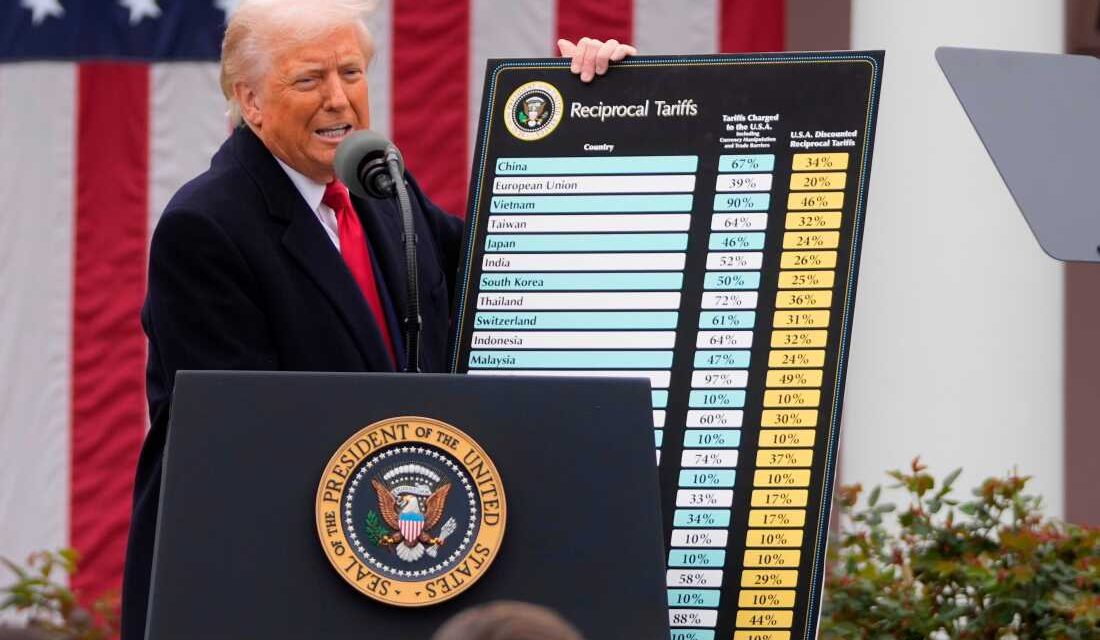
President Donald Trump announced new tariffs in the Rose Garden at the White House on April 2, 2025, aiming to address forced labor issues globally. This move follows a Supreme Court decision that nullified previous tariffs. The new tariffs range from 10% to 12.5% and affect imports from 60 countries—covering 99% of U.S. imports. These countries are accused of not enforcing bans on goods produced by forced labor.
U.S. Trade Representative Jamieson Greer stated that the U.S. has enforced a forced labor import ban for almost a century and expects its trading partners to do the same. This action aims to rectify both human rights abuses and trade distortions, ultimately improving global worker welfare.
The tariffs will take effect as temporary 10% levies expire. Trump initially resorted to these after his broader tariffs were struck down. He now utilizes Section 301 of the Trade Act of 1974 to impose more lasting tariffs. Previously, Section 301 helped implement significant tariffs on China, which survived legal challenges. Ongoing investigations are examining whether 16 other countries have undermined U.S. companies by overproducing goods and reducing prices.
Trump asserts that high tariffs will revitalize American manufacturing. His administration previously altered longstanding U.S. trade policy, favoring more substantial tariffs by declaring a national economic emergency. However, the Supreme Court ruled against using the International Emergency Economic Powers Act for such tariffs, prompting the administration to refund importers.
The recent forced labor tariffs were proposed last month. Some countries have since improved their enforcement, qualifying them for reduced tariffs. For instance, India’s initial tariff rate of 12.5% is now 10%. Certain products, such as oil, gas, and fertilizers, are exempt. Additionally, products qualifying for duty-free status under the US-Mexico-Canada Agreement (USMCA) are not subjected to the new tariffs.
Tariffs are paid by U.S. companies importing these products, and they typically pass costs to consumers. This places financial pressure on Americans already grappling with high living costs, especially with midterm elections approaching.
Critics are wary of the motives behind these tariffs but acknowledge their potential impact on addressing forced labor. Forced labor, as defined by the International Labor Organization (ILO) Forced Labor Convention of 1930, involves work or service exacted from individuals under threat, without their voluntary consent. As of 2021, the ILO reported approximately 27.6 million people globally engaged in forced labor.
Martina Vandenberg, president of The Human Trafficking Legal Center, supports import bans as useful tools against global forced labor. Although supportive, she advised a phased implementation of tariffs to allow countries time to establish meaningful enforcement mechanisms.
Kenya Davis of Boies Schiller Flexner referenced the Uyghur Forced Labor Prevention Act, highlighting its importance in U.S. legislation combating forced labor, especially in China’s Xinjiang region. This act raised awareness about labor trafficking and forced labor.
Isabelle Glimcher from NYU Stern Center for Human Rights pointed out a flaw in the tariff policy—it taxes countries based on imp orted goods rather than domestically produced ones. However, she acknowledged that the tariffs prompted several countries to adjust their trade policies to include forced labor bans. This includes new European Union regulations set to take effect next year.
 Push for Reparations Faces Challenges and Calls for Strict Eligibility
 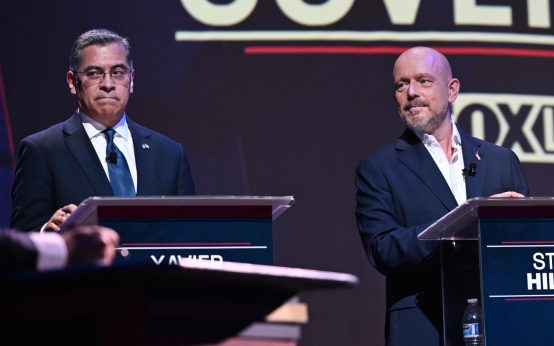 Xavier Becerra and Steve Hilton Debate on California’s Future
 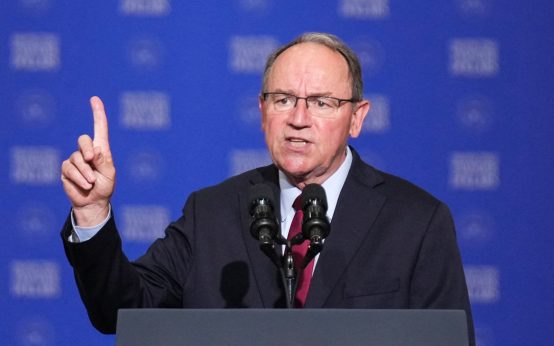 Wisconsin Gubernatorial Race: Tiffany vs. Crowley in a Tight Contest
 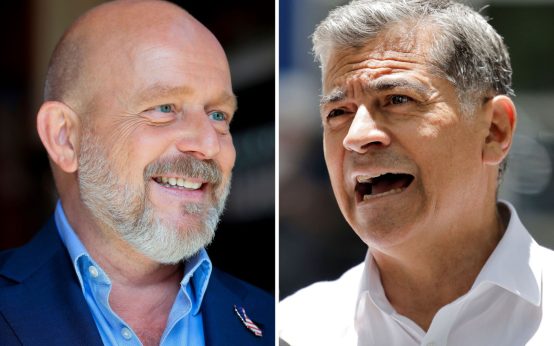 California Gubernatorial Debate: Becerra vs Hilton
 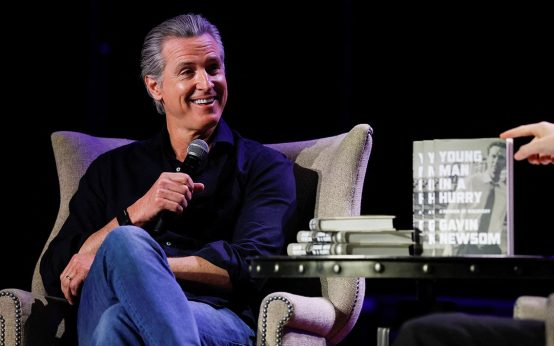 Gavin Newsom Seeks Inspiration from Bill Clinton for Potential Presidential Run
 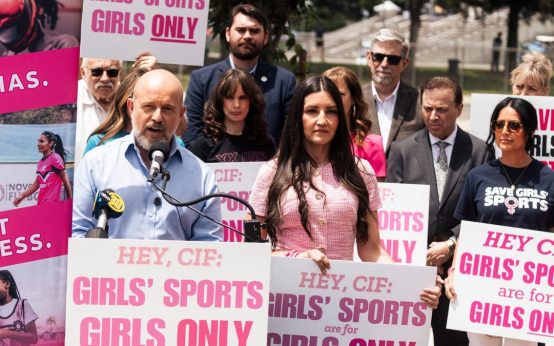 California Superintendent Candidate Stands Firm Against Teachers Union Criticism