Trump’s Dividend Promise
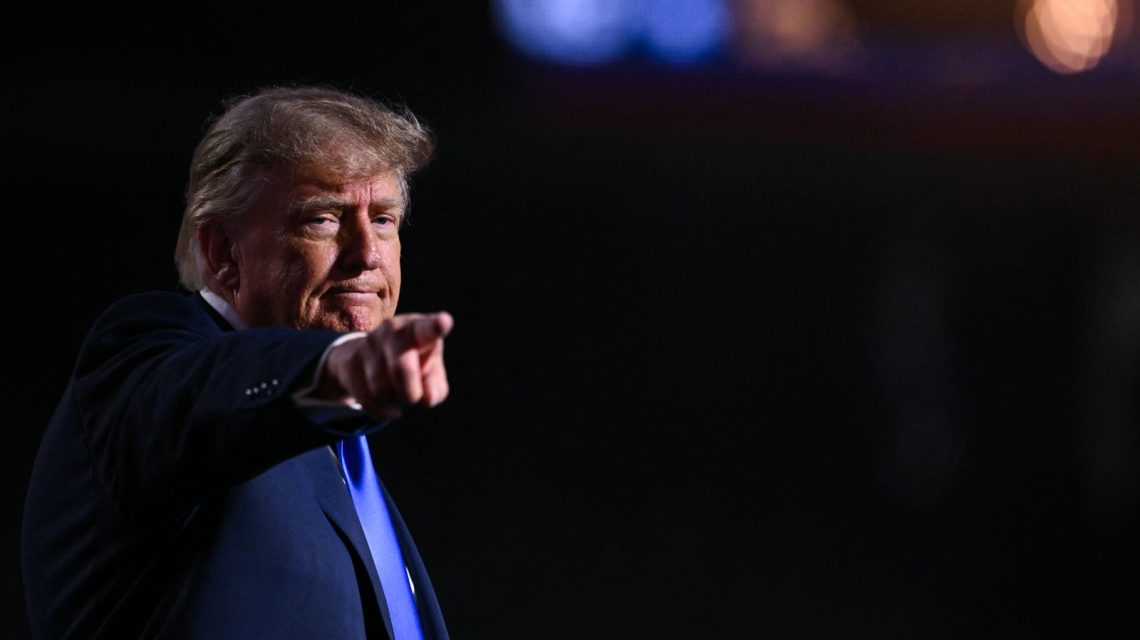
President Donald Trump has announced a proposed “dividend” of $5,000 for every adult if Republicans win the midterm elections. This initiative, dubbed the “Trump Dividend,” could cost over $1 trillion, excluding administrative expenses. The feasibility of financing such a large sum is disputed by economists and lawmakers.
Douglas Holtz-Eakin from the American Action Forum stated that either borrowing or taxing to raise the $1.3 to $1.5 trillion required is unrealistic. Meanwhile, the White House defended Trump’s ability to deliver on promises, stressing continued public support.
Previous Dividend Proposals
$5,000 DOGE Dividend
James Fishback, CEO of Azoria Partners, previously proposed creating dividend checks funded by spending cuts. This idea, supported by Elon Musk, aimed to distribute part of $2 trillion savings to tax-paying households. Despite support, the proposal didn’t reach legislation, achieving only partial spending cuts.
$2,000 Tariff Dividend
Trump suggested a $2,000 payment funded by tariff revenue, although estimates showed potential deficit impacts of $6 trillion over the next decade. Legal challenges ultimately halted these proposals, with refund efforts following the Supreme Court’s intervention.
$1,000 ACA Subsidy Dividends
The expiration of expanded ACA subsidies in 2025 led to proposed direct payments to citizens. While endorsed by Trump, these payments never materialized. A new healthcare strategy was later unveiled, focusing on various cost reduction measures.
Political and Economic Implications
Ohio Senator Bernie Moreno plans to back the Trump Dividend post-election. Nonetheless, serious legal and economic concerns about financing these payments persist. Erica York from the Tax Foundation argues that implementing such payments could exacerbate fiscal issues by adding to the debt.
Following his $5,000 proposal, Trump announced $500 refunds for Americans overcharged for Obamacare coverage. This new promise targets nearly 1 million citizens across 30 states, aiming to mitigate healthcare costs attributed to the current administration.
Jonathan Gruber, a former healthcare official involved in crafting Obamacare, criticized the validity of these claims, suggesting they are politically motivated.
 The Trump Team’s Challenge to the Military Leadership
  Maryland First State to Restrict Electronic Pricing in Grocery Stores
  Activists Push for Nationwide Ban on Child Marriage in the U.S.
  Democratic Hopes and Historical Warnings in 2026 Senate Race
  Republicans Face Challenges Amidst Cost of Living Concerns
  A Different Kind of Fall for Congress This Year