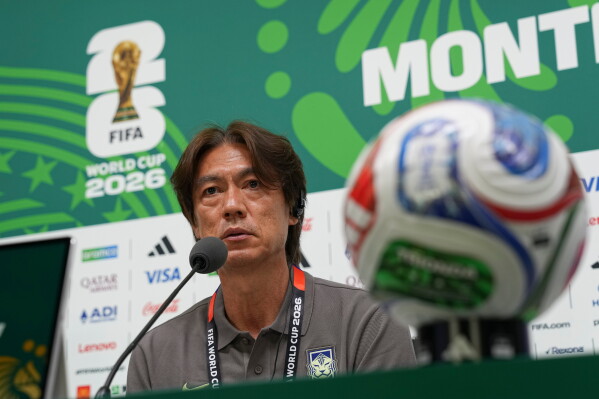
The U.S. Department of Homeland Security has adjusted its restrictions for the Iranian World Cup soccer team. This change permits the team to arrive in the U.S. two days before their match, scheduled for Friday in Seattle. However, they must leave shortly after the match.
Officials from the Iran Football Federation confirmed the team’s plan to travel from their current base in Tijuana, Mexico, to Seattle on Wednesday. Andrew Giuliani, the executive director of the White House FIFA Task Force, commented, “We were going to look at how the first two movements went, and if they went smoothly, we would extend an extra day due to the longer travel time.” This modification was initially reported by NBC News.
The adjustments are happening while both nations engage in negotiations related to ending the war in Iran. The Iranian team has voiced concerns over travel difficulties, a challenge they have faced since the conflict began. Initially, Iran attempted to relocate its group-stage games to Mexico, a country with which it maintains diplomatic ties. Their request to move the base camp from Tucson, Arizona, to Tijuana, was approved shortly before their arrival.
For the initial matches near Los Angeles, the team was only allowed entry a day in advance. Iranian coach Amir Ghalenoei criticized this arrangement, noting that limited time on the ground before their noon match was disadvantageous. “Right now we need recovery more than anything,” he stated after a 0-0 draw against Belgium.
Typically, teams travel a day prior to matches, aligning with FIFA rules. According to the regulations, “each team shall travel from its team base camp to the match venue one day before matchday (MD‑1) and in exceptional cases on MD‑2, and shall return to their team base camp after the match (on MD/MD+1).” Despite these norms, Iran requested additional time for acclimatization and recovery, especially given the 1,200-mile journey to Seattle. The team is set to train at the University of Washington on Thursday.
We don’t ask for much. We just ask for the same procedure as for all the other 47 teams,
remarked Iran’s captain, Alireza Jahanbakhsh. The team has also reported complications traveling into and out of the U.S. on their 127-mile flights between Tijuana and Los Angeles, with delays extending their journey to five hours.
Concerns arose with an attempt to bring in personnel allegedly connected to Iran’s Revolutionary Guard, leading U.S. Homeland Security Secretary Markwayne Mullin to comment on the situation. However, the Iranian soccer federation dismissed these claims as “an outright and undeniable lie.” As the political climate remains tense, Iran’s players and coaching staff generally avoid political discourse. But they have raised awareness about those affected by the conflict, notably by wearing pins marking the death toll of a missile strike on an elementary school.
Flags displaying the number 168—representing those killed—were seen at Iran’s last practice in Tijuana. Moving forward, Iran’s next competitor, Egypt, requested to arrive early in Seattle after defeating New Zealand, but FIFA denied this due to security resource limitations. Egypt’s team returned to their base in Spokane, Washington.
The situation remains dynamic, influenced by both soccer-related logistics and broader geopolitical concerns.
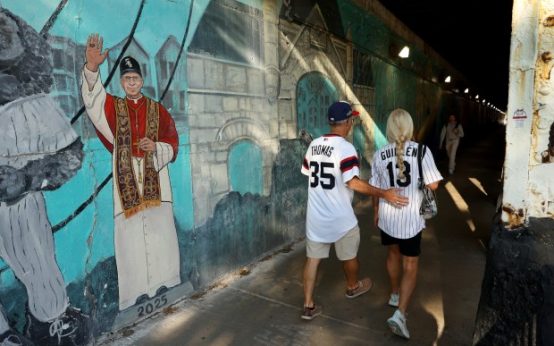 White Sox’s Pope Hat Promotion Shines Amid Playoff Push
  Phillies Edge Braves in 10th, Push Series to Game 3
  Arike Ogunbowale Sets Playoff Record as Dallas Wings Force Game 3
 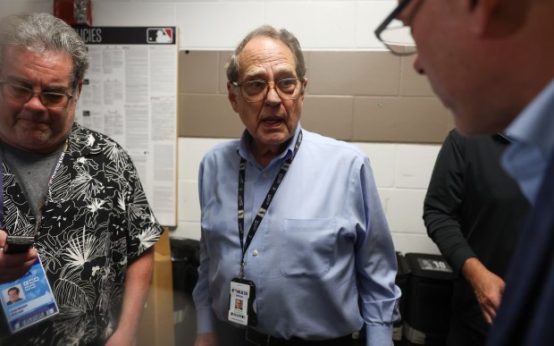 Chicago White Sox Triumphs in 2026 Postseason
 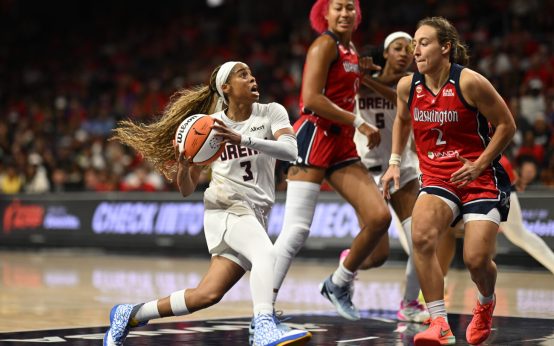 Atlanta Dream Defeats Washington Mystics to Advance in WNBA Playoffs
  MLB Wild Card Series: Drama Unfolds