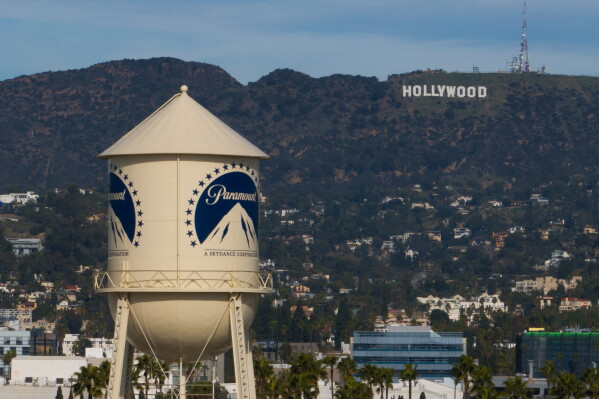
The U.S. Justice Department has concluded its investigation into the proposed merger between Paramount Skydance and Warner Bros. Discovery. The department found that this significant merger is unlikely to negatively impact competition within the industry or harm consumers.
On Friday, the agency announced the closure of its probe into the acquisition. Regulators from its antitrust division stated that the merger would likely increase competition across the media and entertainment sectors, providing benefits to American consumers and workers.
Paramount Skydance, led by David Ellison, agreed to acquire Warner Bros. Discovery back in February. This decision followed extensive negotiations and a competing bid by Netflix, which did not succeed. Skydance had purchased Paramount last year. The merged companies believe their union will promote industry growth and provide consumers with a wider range of content. This is particularly expected through the potential combination of HBO Max and Paramount+ libraries.
While some express concern over increasing industry consolidation, regulators assessed potential effects on market competition, notably in video streaming. They determined the merger would likely enhance competition by offering a strong alternative to other large streaming platforms.
The investigation also considered whether social media platforms like YouTube and TikTok serve as alternatives to these larger video streaming services. However, based on antitrust precedents, these platforms do not appear to be direct competitors for the video streaming services involved in the merger.
The agency also addressed concerns within the realm of linear television, noting existing strong competition in live programming. In Hollywood, regulators found that the merger of these two significant film studios is not expected to damage competition in film studio development, production, or distribution.
Despite regulatory clearance, opposition from industry professionals remains. Thousands of actors, directors, and writers have voiced concerns, warning of potential job losses and reduced options for filmmakers and audiences. Lawmakers have also expressed their reservations.
David Ellison has assured that Paramount and Warner Bros. will continue to operate as separate studio entities. He pledged a commitment to releasing 30 films annually in theaters, although Paramount acknowledged that the merger would necessitate cost-cutting measures due to redundancies.
While the Justice Department under Trump’s administration won’t challenge the $81 billion deal, other reviews are pending. California’s Attorney General Rob Bonta has been outspoken about state-level investigations. European regulators are also scrutinizing the deal, with the European Commission’s decision tentatively expected by July 7. The U.K.’s Competition and Markets Authority plans to reach an initial conclusion by early August.
Paramount and Warner aim to finalize the merger within the third quarter of this year. If the acquisition does not conclude by September 30, Paramount is prepared to compensate shareholders with a 25-cent per share fee for every subsequent quarter. Additionally, a regulatory termination fee of $7 billion has been agreed upon.
 Trump’s 2024 Campaign Targets Young Men Through Cryptocurrency
  How Modern Windows Improve Home Insulation
  Zoe Kazan’s Journey with ‘East of Eden’
  State Department Simplifies Passport Process with Online Applications
 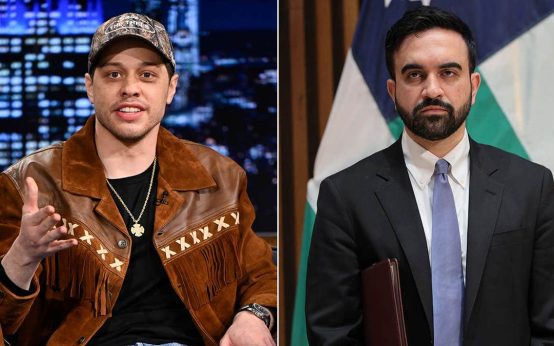 Pete Davidson Criticizes NYC Mayor Zohran Mamdani Over BQE Construction
 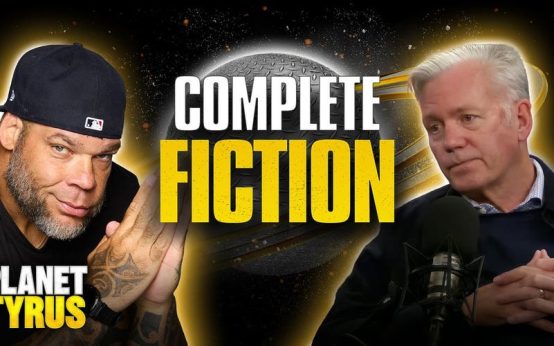 Chris Hansen Criticizes Hollywood’s Portrayal in ‘Primetime’