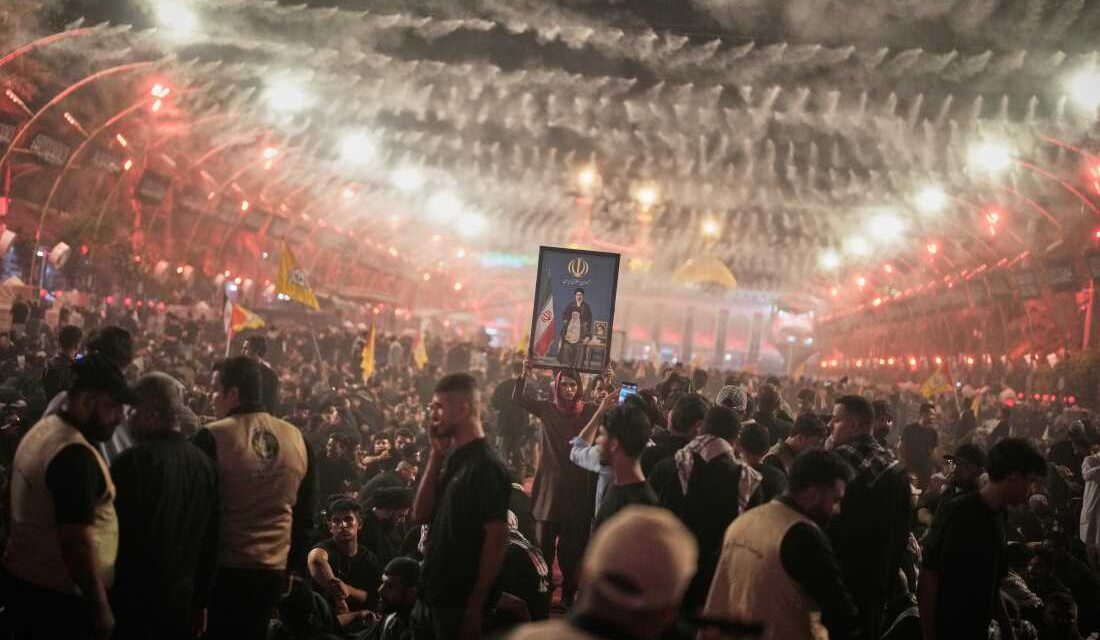
A mourner holds a portrait depicting Iran’s Supreme Leader Ayatollah Mojtaba Khamenei alongside his late father Ayatollah Ali Khamenei. Mourners gathered for the elder Khamenei’s funeral outside the Imam Hussein Shrine in Karbala, Iraq, on July 8, 2026. The photo, captured by Khalil Hamra of AP, accompanies this report.
DUBAI, United Arab Emirates — The United States commenced new airstrikes against Iran early Thursday, which prompted Tehran to target Bahrain, Kuwait, and Qatar. This escalation threatens an interim deal meant to help end the Persian Gulf war.
The strikes followed U.S. President Donald Trump’s announcement of Iran’s recent attacks on ships in the Strait of Hormuz, marking the breakdown of a fragile ceasefire. The U.S. targeted various military sites and port facilities on Wednesday after Iran attacked several merchant vessels off Oman’s coast. Iranian retaliation followed swiftly.
Extent of the Strikes
The U.S. strikes expanded significantly, with sirens blaring in Bahrain, the headquarters of the U.S. Navy’s 5th Fleet. There were no immediate reports of damage in Bahrain, Kuwait, or Qatar. Kuwait’s military stated it was intercepting incoming drones and missiles. Iran’s Revolutionary Guard confirmed attacks on Bahrain and Kuwait.
U.S. Military Response
The U.S. Central Command hit about 90 targets across Iran. Released footage shows strikes on an airport runway and missile launchers. The U.S. stated these actions were aimed at reducing Iran’s capability to threaten navigation freedom in the strait, once a major route for global oil and natural gas before hostilities began on February 28.
Iranian state media reported explosions in Bushehr, a nuclear power plant location, and southern ports such as Chabahar and Bandar Abbas. In Khuzestan province, three died according to state media. Iranshahr officials reported a firefighter’s death at an airport strike. These casualties added to Wednesday’s toll of nine.
U.S. strikes on Iranian bridges were reported for the first time since April. State media and the Revolutionary Guard mentioned attacks on bridges, including one on a railway line in Golestan province.
Trump’s Warning to Iran
After a NATO summit in Turkey, Trump posted videos of explosions in Iran, warning of severe repercussions if Iran attacks shipping again. Despite this reiteration of non-long-term military action, Trump hinted at a definitive resolution against Iran.
He had previously indicated the possibility of targeting Iran’s civilian infrastructure, such as electric and desalinization plants, and seizing Kharg Island for its oil significance.
Following strikes on Iranian targets, Iranian retaliation hit U.S. military sites in the Gulf. Iran maintains the interim ceasefire allows it to control the strait’s traffic.
Parliament Speaker Mohammad Bagher Qalibaf expressed defiance, emphasizing consequences if the U.S. persisted in its actions.
Fear of Renewed Conflict
Trump’s declaration that the interim agreement to pause combat is “over” initiated fears of resuming conflict, influencing oil prices. A renewed conflict threatens broader Middle East tensions, risking energy shipment halts through the strait.
Despite allowing negotiations to continue, Trump expressed doubt over their success. Trump’s remarks heightened tension levels, drawing responses from Iranian officials, including Deputy Foreign Minister Kazem Gharibabadi, who criticized U.S. foreign policy.
Internal divisions within Iran may be indicated by new ship attacks amidst negotiations. Hard-liners want enduring control over the strait, critical for global fuel shipments. In contrast, pragmatists aim for peace to lift sanctions, aiding economic recovery.
Negotiations for a final agreement were set post the elder Khamenei’s funeral, killed on February 28. Talks focus on reopening the strait and addressing Iran’s nuclear program concerns.
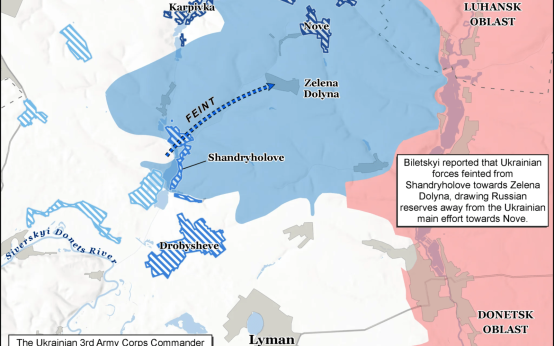 Ukraine Converts APCs to Explosive Devices in Donetsk Offensive
 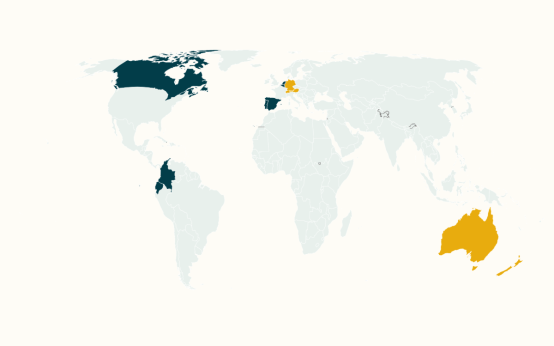 Dutch Review Board’s Euthanasia Ruling and International Debate
 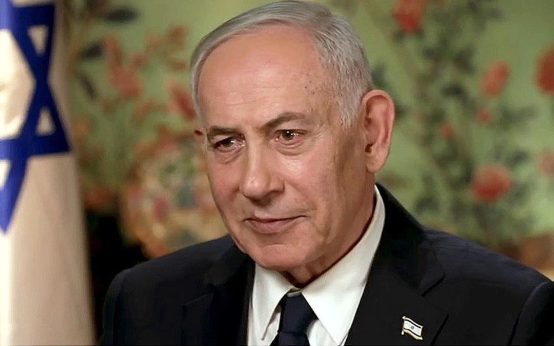 Israeli PM Commends Heroic Actions in Flight Emergency
  Rabbi and Jewish Leaders Criticize Adam Brody for ‘Genocide’ Comment
  Flydubai’s Emergency Landing Highlights Cockpit Security
 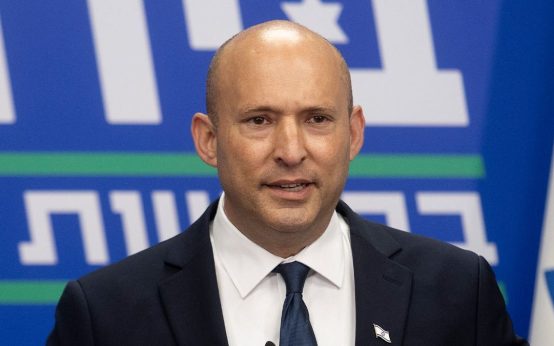 Former Israeli PM Naftali Bennett Commends Passengers and Crew for In-Flight Heroism