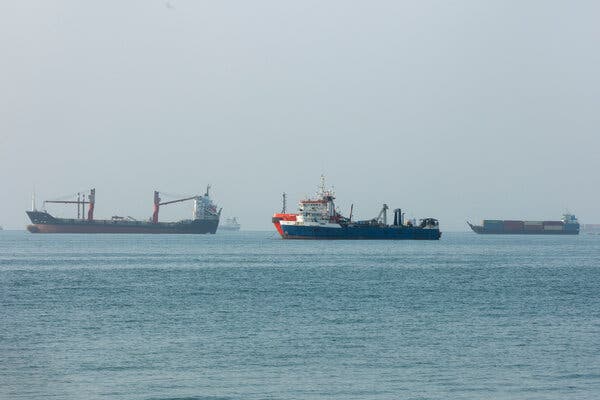
On May 25, 2026, U.S. military forces conducted what U.S. Central Command described as ‘self-defense strikes’ in southern Iran. These actions aimed to protect U.S. troops from potential threats posed by Iranian forces.
The primary targets were missile launch sites and Iranian boats attempting to place mines, according to Captain Tim Hawkins, a spokesperson for Central Command. He stated, ‘U.S. Central Command continues to defend our forces while using restraint during the ongoing cease-fire.’
Hawkins did not specify which U.S. ships came under fire or their exact locations. However, a senior U.S. military official noted that Iranian surface-to-air missiles threatened almost two dozen U.S. Navy warships, including two aircraft carriers and their escorts. These ships were in the Gulf of Oman and the Arabian Sea, enforcing a blockade against vessels entering or leaving Iranian ports. The U.S. strikes occurred near Bandar Abbas, a significant port and Iranian navy base.
American and Iranian forces have experienced other skirmishes since a cease-fire took effect roughly six weeks ago. The strikes on Monday coincided with Iranian negotiators’ arrival in Qatar for talks on ending the conflict. This timing posed a risk to a fragile potential agreement that President Trump suggested could reopen the Strait of Hormuz and ease notable energy disruptions.
The persistent threat from Iranian missile batteries was anticipated, despite assurances from President Trump, Defense Secretary Pete Hegseth, and other military leaders that the American-Israeli campaign over the past 38 days had significantly degraded Iran’s combat capabilities.
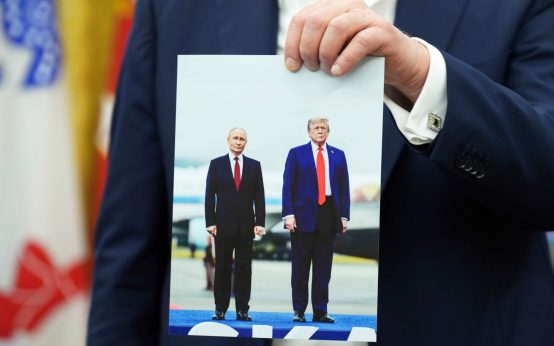 Backlash Against Trump’s White House Photos
 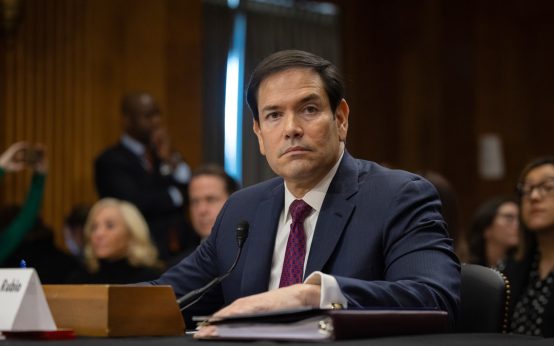 State Department Accuses Senate Democrats of ‘Grandstanding’ Over Venezuela Oil Deal
 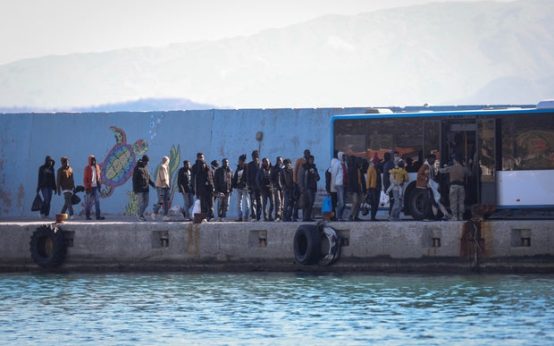 EU Plans Deportation of Rejected Asylum Seekers
  British Police Arrest Man Suspected of Terror Plot
  Activists Push for Nationwide Ban on Child Marriage in the U.S.
  Investigation into Alleged Incident at Cornell University