The U.S. military launched another operation against a boat suspected of drug smuggling in the eastern Pacific Ocean on Thursday. The strike resulted in the immediate death of two individuals, while six others survived. This action is part of an ongoing campaign against alleged traffickers in Latin America.
Since the campaign started under the Trump administration in early September, there have been over 60 such strikes, with more than 210 people killed. The efforts focus on targeting what are termed as “narcoterrorists.” In this latest incident, it remains unclear if the survivors received rescue. In previous cases, such as the June 16 strike, the U.S. Central Command reported notifying the U.S. Coast Guard, although no survivors or debris were found during their search.
U.S. Southern Command stated that targets involved suspected drug traffickers using established smuggling routes. However, the military did not provide concrete evidence that drugs were aboard the vessel struck. A video showed a boat speeding before getting hit by a projectile and bursting into flames.
President Donald Trump described the U.S. as being in “armed conflict” with Latin American cartels, justifying these actions as essential to limit the drug flow into the country and reduce overdose fatalities. Despite this, his administration provided limited evidence for its claims of targeting “narcoterrorists.” Criticisms of these operations pertain to their legality and effectiveness, particularly as fentanyl, linked to many overdoses, mainly crosses overland from Mexico.
In response to these strikes, U.S. lawmakers have asked the Pentagon for the release of “unedited video” from the first military strike. This request followed claims of a subsequent strike targeting survivors of the initial attack, which resulted in two additional deaths.
The White House confirmed the follow-up strike, citing “self-defense” to ensure complete vessel destruction, aligning with armed conflict laws. However, some legal experts argue that a second strike against survivors would be illegal.
The Pentagon’s inspector general announced an investigation into whether the military adhered to the established targeting framework, specifically the six-phase Joint Targeting Cycle. This review will not address the legality of the strikes themselves.
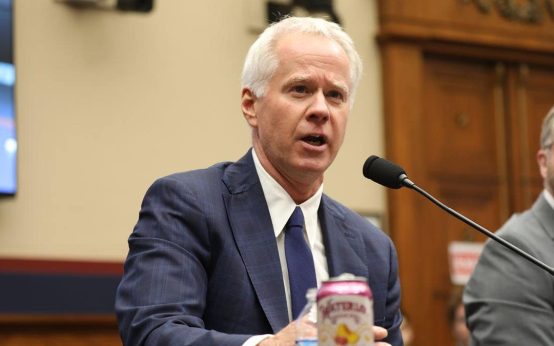 Patrick McEnroe Advocates for Collegiate Athletic Reform
 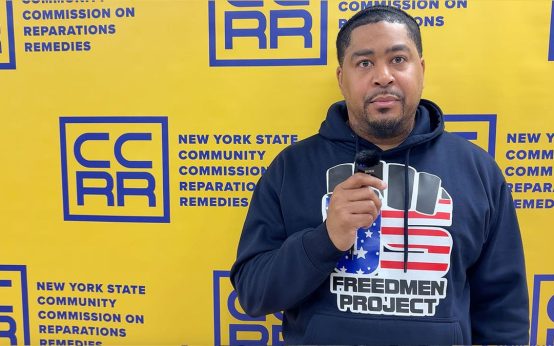 Push for Reparations Faces Challenges and Calls for Strict Eligibility
 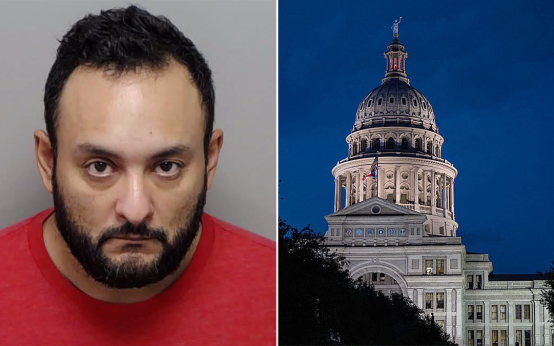 Texas Man Arrested for Threatening State Capitol Attack
 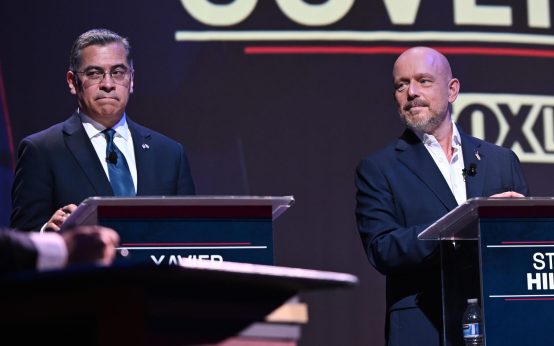 The Key Debate Between Xavier Becerra and Steve Hilton: What You Need to Know
  Physicians Urge Senate to Reject FDA Nominee
 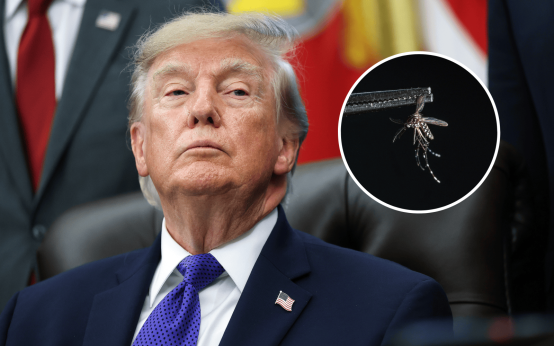 Trump’s Executive Order to Combat Mosquitoes and Ticks in D.C.