
In a significant military move, the U.S. launched airstrikes against Iran. This action followed Iranian assaults on three commercial ships traveling through the Strait of Hormuz. The Trump administration also canceled a crucial waiver permitting the sale of Iranian oil.
The implications of these developments for the global oil market are substantial. To discuss this, Geoff Bennett spoke with maritime security expert Ian Ralby. Their conversation examined potential disruptions in oil supply and the broader impact on international markets.
Background
The Strait of Hormuz is a strategic chokepoint for global oil shipments. Over 20% of the world’s oil passes through this narrow waterway. Thus, any threat to its security can trigger major shifts in oil prices and supply chains worldwide.
Expert Analysis
Ian Ralby stressed the importance of protecting commercial vessels in this region. He highlighted the need for cooperation among nations to ensure safe passage for oil tankers and other cargo ships. Ralby also pointed out that increased military actions in the area could escalate tensions and lead to broader regional conflicts.
Potential Outcomes
The revocation of a key oil waiver by the U.S. signals a hardline approach towards Iran. This decision might further destabilize the region and influence international negotiations on nuclear and economic issues.
With the current geopolitical climate being unpredictable, the global community continues to monitor the situation closely. The stakes are high, with potential oil supply shocks having far-reaching economic effects.
 British Police Arrest Man Suspected of Terror Plot
  Activists Push for Nationwide Ban on Child Marriage in the U.S.
  Investigation into Alleged Incident at Cornell University
  Rising Drone Threats Highlight Vulnerabilities in Moldova’s Airspace Defense
  Bolivia Faces Security Test Amid Unrest
 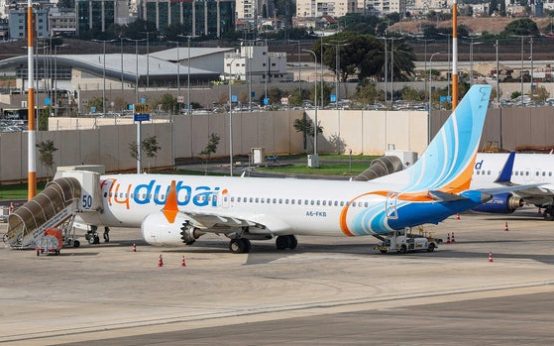 Incident on FlyDubai Flight Raises Security Concerns