
The United States military conducted strikes against Iran early Wednesday, following claims that Tehran attacked three ships in the Strait of Hormuz. This move is part of a broader U.S. strategy that also aims to block Iran from selling crude oil on the global market. In response, Iran launched strikes targeting Bahrain and Kuwait, raising concerns about the stability of an interim peace agreement in the region.
The conflict emerged during the funeral for Iran’s Supreme Leader Ayatollah Ali Khamenei, who died at the start of the war at age 86. The funeral was initially viewed as a time of decreased tension, yet calls for violence against U.S. President Donald Trump and Israeli Prime Minister Benjamin Netanyahu have persisted. Planned negotiations, focusing on reopening the strait and addressing Iran’s nuclear program, are now in jeopardy.
“The era of bullying and extortion is over. It leads nowhere. We don’t fold.” – Iran’s Parliament Speaker Mohammad Bagher Qalibaf, wrote on X.
U.S. Military Strikes and Iranian Reaction
The U.S. Central Command stated that American forces attacked key Iranian targets, including air defense systems, radars, and over 60 boats used by Iran’s Revolutionary Guard. These boats have been notorious for harassing commercial vessels in the international waterway.
Further, the statement emphasized the readiness of U.S. forces to hold Iran accountable if the agreement terms are violated. Although Iran acknowledged the strikes, they did not provide details on potential losses. Iranian media reported explosions in various locations, including Bandar Abbas, Qeshm, and Sirik.
Bahrain, hosting the U.S. Navy’s 5th Fleet, and Kuwait, where U.S. Army forces reside, both issued missile alerts. The Revolutionary Guard confirmed targeting U.S. installations in these countries. Concurrently, Trump was in Turkey attending a NATO summit.
Impact on Iranian Oil Sales
In a related move, the U.S. revoked a license that permitted Iranian crude oil sales, which was part of the interim agreement. This has brought an end to Iran’s recent ability to sell oil openly for U.S. dollars. Previously, Iran reportedly sold oil to China at reduced prices.
The decision followed attacks on commercial shipping. One tanker, located near Oman, caught fire after being hit. The U.K. Maritime Trade Operations reported damage to other ships, although no casualties occurred. These vessels continued their course through the Strait of Hormuz.
Iran has maintained control over the Strait since the war commenced, affecting global energy markets as approximately 20% of traded oil and gas pass through this region. Ships attacked were navigating close to Oman, bypassing Iran’s designated safe route. Tehran insists on controlling the route and charging fees for passage, a stance rejected by the U.S. and Gulf Arab states.
Qatari Foreign Ministry spokesman Majed al-Ansari condemned the attack on a Qatari tanker, holding Iran legally responsible for jeopardizing international navigation and energy security.
 British Police Arrest Man Suspected of Terror Plot
  Activists Push for Nationwide Ban on Child Marriage in the U.S.
  Investigation into Alleged Incident at Cornell University
  Rising Drone Threats Highlight Vulnerabilities in Moldova’s Airspace Defense
  Bolivia Faces Security Test Amid Unrest
 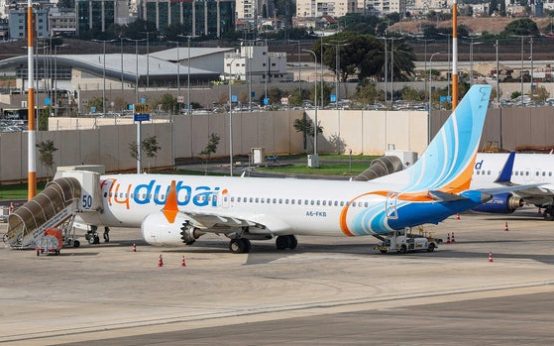 Incident on FlyDubai Flight Raises Security Concerns