
Human activities are rapidly transforming natural ecosystems without a thorough understanding of the consequences. These changes contribute to climate change, which further damages ecosystems. The recent flood disaster between Nepal and Tibet serves as a crucial warning. It illustrates the dangers of attempting to control nature without considering its inherent power.
The Roots of the Nepal-Tibet Flood Disaster
An enormous ice-and-rock avalanche occurred high in the Himalayas along the Nepal-Tibet border. This disaster started when a glacier dislodged, causing havoc in both Nepal and Tibet. The torrent that ensued ravaged Chinese infrastructure upstream and wreaked havoc downstream in Nepal. This event highlights how human actions can magnify natural disasters, with Nepal suffering the greatest impact despite not being responsible.
Lessons for Human Development
For years, nations have altered landscapes for development by redirecting rivers and flattening mountains. While these projects bring energy and wealth, they often ignore natural principles, turning manageable risks into disasters. The Nepal-Tibet event underscores the need for humans to respect the natural world as a key part of future survival.
Human Impact on Natural Hazards
The discussion around the Nepal-Tibet disaster has mostly pointed to climate change. Yet, the human alteration of ecosystems has increased natural hazards and accelerated global warming as well. Climate change is only a part of a broader issue caused by human interventions.
The Himalayas: A Geological Laboratory
The Himalayas, shaped by the collision of tectonic plates, remain one of Earth’s most unstable regions. Construction and river engineering increase risks in this environment. Landslides and flash floods are common, making human interventions even riskier.
Flood Prevention and Management
Natural landscapes help absorb flood energy, allowing water to spread. Replacing these with structures like embankments and highways intensifies floods. Floodwaters in Tibet were funneled through narrow paths, accelerating their destructive power in Nepal. Upstream construction contributed debris, forming temporary dams that burst, creating secondary surges.
The Global Pattern of Natural System Alteration
Worldwide, countries reshape natural systems through ambitious projects. China is a leading example, with significant initiatives like the Three Gorges Dam and massive water diversion projects. These reflect a belief in controlling nature, but natural systems work through complex feedback networks.
Reconsidering Human-Nature Interactions
The Nepal-Tibet disaster illustrates a universal truth: disrupting a part of a natural system can lead to cascading effects. Humanity has the engineering tools to significantly alter natural hazards. Understanding our limits and working with nature, rather than against it, is essential. Sustainable development means respecting natural processes, conserving biodiversity, and designing infrastructure in harmony with natural systems.
The verdict is clear. Human ambition can either continue to challenge nature or learn to coexist within its framework.
 Atlantic Ends September Without a Hurricane for First Time Since 1994
  Bobcat Sightings and Conservation Efforts in Illinois
  2026 El Niño: A Historical Comparison and Future Projections
  U.S. Records Warmest September in History
 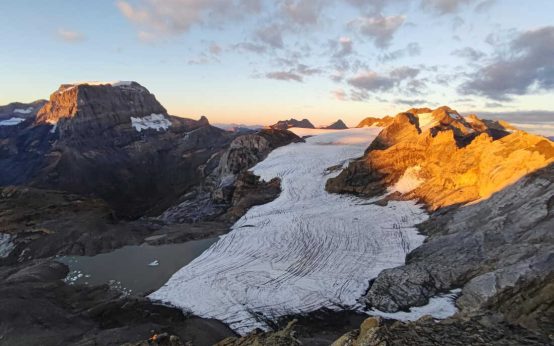 Swiss Glaciers Show Effects of Ice Loss Amid Global Warming
  Climate-Resistant Rock Glaciers: Hidden Water Resources