
Extreme heat this week threatens to exacerbate what officials in France and Spain are already calling the worst wildfire season in modern history. Thousands of firefighters, troops, and volunteers are working tirelessly to contain dozens of blazes.
France’s Battle Against the Flames
President Emmanuel Macron emphasized the unprecedented nature of the fires, referencing the difficult conditions with rising temperatures and strong winds. Macron stated that the country faces its hardest fire season since World War II. With summer still ongoing, 2026 has shattered records with 13,566 fires consuming over 116,000 hectares.
Prime Minister Sébastien Lecornu noted on social media that the current year had already surpassed the 2022 burn record by more than 40,000 hectares.
In Bordeaux, over 100,000 acres have burned, displacing at least 200,000 people. Officials have been canceling train services in the region in preparation for potential further evacuations.
Spain Faces Its Biggest Fires
In Spain, more than 153,000 hectares have burned, over six times the amount by this time last year. Sara Aagesen, Minister for Ecological Transition, identified a blaze west of Madrid as the largest in Spain’s recent history.
Fires are sweeping through Madrid and Valencia, affecting vegetation left parched after weeks of heat waves. The fires have displaced hundreds of thousands, destroyed homes, and raised climate fears.
Guillaume Bos, a resident of Le Temple near Bordeaux, stayed to fight flames with local farmers and forest owners, despite the evacuation of his wife and son.
The Threat of Pyrocumulonimbus
In France, officials encountered a rare phenomenon known as pyrocumulonimbus clouds — fire-fueled thunderstorms created by intense heat. These clouds accelerate fire spread and create unpredictable, strong winds but rarely bring rain.
Firefighters across the region have struggled against these conditions, making containment complicated and dangerous.
Collaborative Efforts and Criticism
Communities have shown solidarity, offering shelter and assistance to evacuees. Despite these efforts, political tensions have emerged concerning disaster response policies.
In Spain, debates arose over nationalizing wildfire responses, while in France, officials criticized the government’s slow reaction to deploy resources like the Airbus A400M plane.
France’s Aerospace Industry at Risk
Fires in southwestern France threaten the aerospace and defense industry hubs near Bordeaux. Important evacuations have occurred at sites working with hazardous materials, including those linked to nuclear missiles.
Prefect Sophie Brocas detailed how firebreaks were created to protect sensitive sites from advancing flames.
Ongoing Concerns and Future Risks
In both France and Spain, authorities are bracing for higher temperatures and more fires. The European Forest Fire Information System warns of ‘very extreme fire conditions’ continuing.
Officials call for vigilance as unpredictable weather conditions could prolong and intensify the disaster.
The community resilience and firefighting efforts remain commendable, but the situation underscores the pressing challenges posed by climate-related natural disasters.
 Atlantic Ends September Without a Hurricane for First Time Since 1994
  Bobcat Sightings and Conservation Efforts in Illinois
 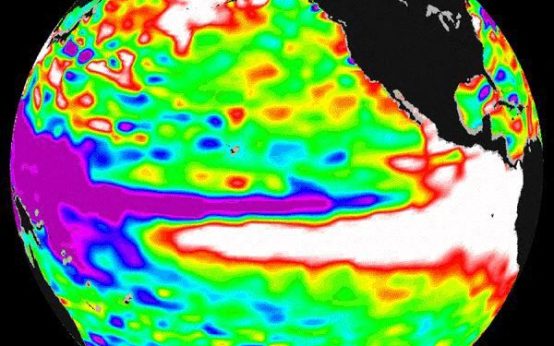 2026 El Niño: A Historical Comparison and Future Projections
  U.S. Records Warmest September in History
 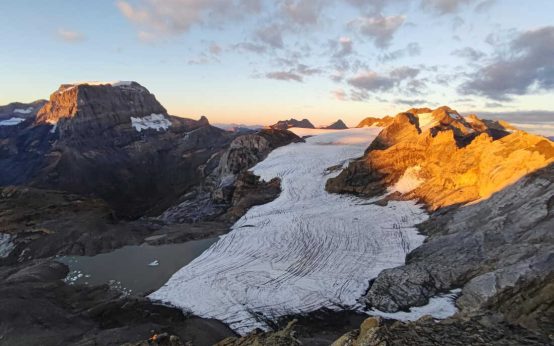 Swiss Glaciers Show Effects of Ice Loss Amid Global Warming
  Climate-Resistant Rock Glaciers: Hidden Water Resources