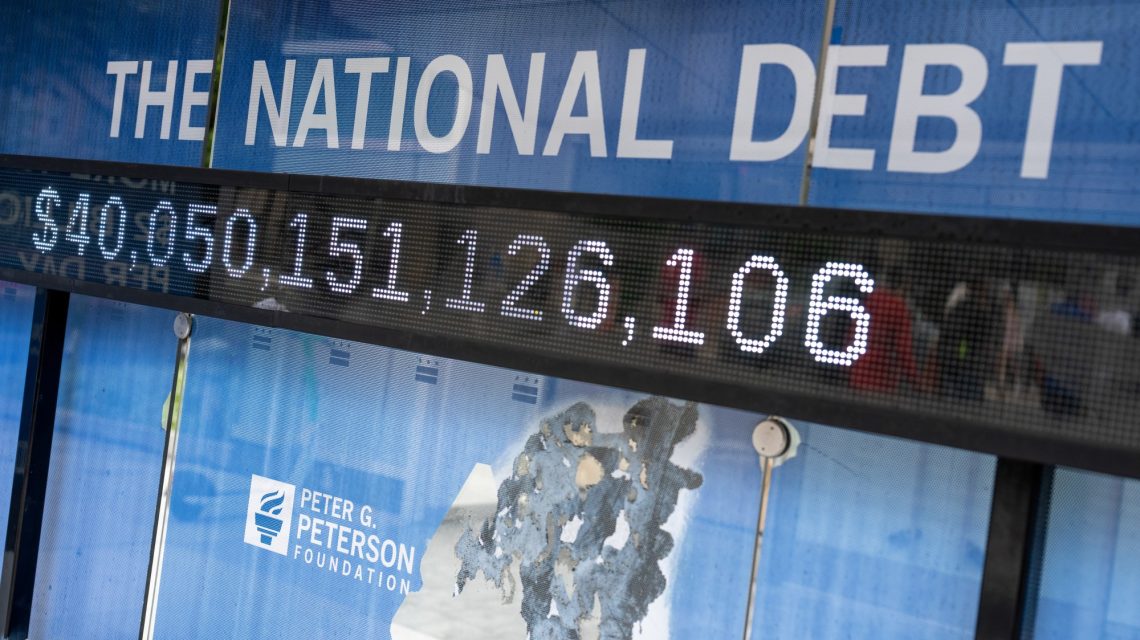
The United States national debt has surpassed $40 trillion for the first time. This marks a significant increase of one-third in less than five years. As of the close of the fiscal year 2026, the federal government’s budget deficit reached $2 trillion. This equates to Washington spending approximately $15,000 more per household than it collected in revenue over the past year. Notably, this $2 trillion deficit is part of the existing fiscal plans rather than a response to a unique emergency.
Projections indicate that Washington will average $2.4 trillion in annual deficits over the coming decade. Despite these challenges, there are legislative efforts in play aimed at addressing part of the fiscal issues by targeting fraud in federal spending programs. Several bills have been passed in the House of Representatives aimed at preventing fraud, which costs the federal government significant amounts annually, estimated between $233 billion and $521 billion by the Government Accountability Office.
Legislative Measures Against Fraud
The Pre-Payment Fraud Prevention and Treasury Data Access Act, spearheaded by Rep. James Comer, seeks to augment the Treasury Department’s Do Not Pay system. It intends to incorporate new data sources and enhance agencies’ ability to verify payment eligibility before distribution. This bill received overwhelming support, passing the Committee with a 35-1 vote and the House with a two-thirds majority.
Another significant proposal, the Zeroing Out Monetary Benefits Improperly Expended Act or ZOMBIE Act, led by Rep. Gary Palmer, aims at updating federal laws to improve fraud prevention by emphasizing real-time auditing. It also proposes an annual meeting of state officials with the Treasury secretary to align fraud prevention efforts. This bill was passed unanimously in the Committee and by voice vote in the House.
Additionally, the Fraud Prevention and Accountability Act, introduced by Rep. Pete Sessions, would create an Inspector General for Fraud, Accountability, and Recovery within the Treasury Department. It involves transferring data analytics tools from the Pandemic Response Accountability Committee to enhance fraud prevention capabilities. This bill passed in the House with bipartisan support, gathering votes from 28 Democrats.
Senate Considerations and Broader Implications
Each of these bills is pending action in the Senate. Given the strong bipartisan backing in the House, Senate leaders might expedite their passage when the session resumes. Potentially, a senator could seek unanimous consent for their adoption. These initiatives highlight the continuous need for reforms to block billions of taxpayer dollars from falling to fraud.
The Government Accountability Office has outlined a comprehensive agenda for boosting governmental efficacy and fraud prevention, including identifying nine methods to combat fraud. Though anti-fraud measures will not solve the entire $2 trillion deficit, they present substantial benefits. These steps can generate between $132 billion and $251 billion in savings, per GAO estimates.
Thus, passing bipartisan anti-fraud reforms should be prioritized in the Senate’s agenda to help decrease waste and build a more efficient government.
 Brit Hume Challenges Trump’s Media Ban and Its Effectiveness
  Republican Senate Hopes Rise in Minnesota
  Cartel Drone Use Increases Along the US-Mexico Border
  Hochul and Blakeman Clash on Antisemitism Allegations
  Protesters Interrupt War Secretary Hegseth at Army Conference
  Texas Democrat James Talarico Shifts Stance on Border Security