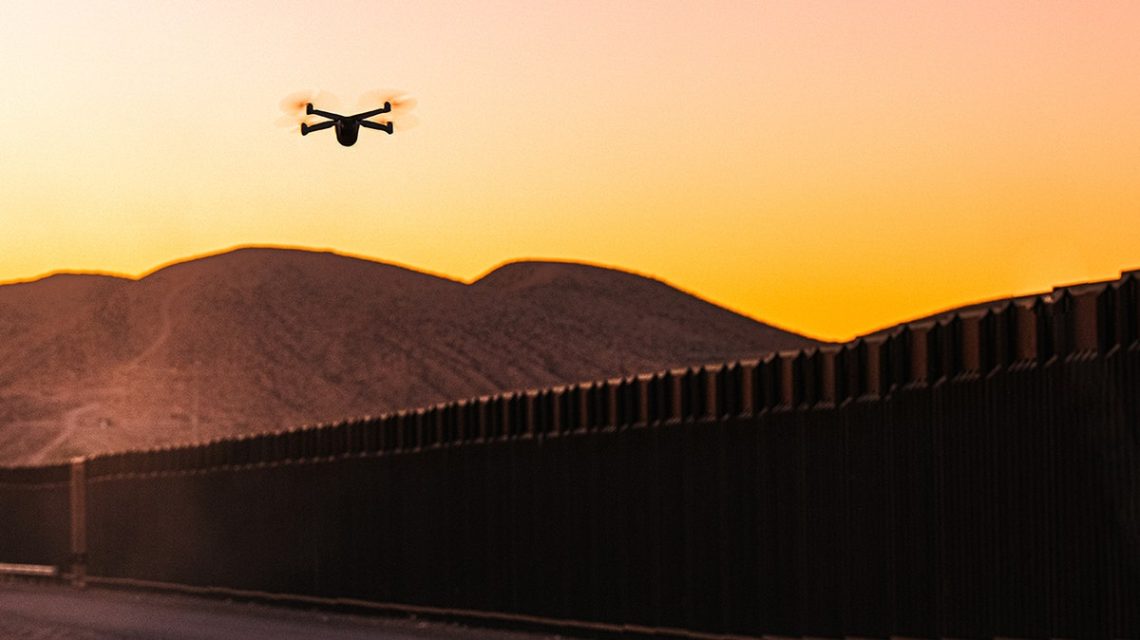
Mexican cartels have been using drones extensively for surveillance and smuggling activities along the US-Mexico border. The US military detected 378 drone incursions in one month, indicating a growing trend. Brig. Gen. Brian Filler of Joint Task Force-Southern Border reported that these drones are often commercial models equipped with cameras for monitoring US security personnel.
Surveillance and Reconnaissance
Austin Doctor from the National Counterterrorism Innovation, Technology, and Education Center explained that cartels use drones to establish routine patterns of US security activities. Drones assist in supporting smuggling operations across the border.
Legal and Technological Responses
In response, Arizona law enforcement has been authorized to shoot down drones involved in criminal activities. A US Customs and Border Protection spokesperson highlighted the persistent threat posed by advancing UAS technology, which cartels exploit for surveillance and illicit activities. In fiscal years 2025 and 2026, CBP detected over 42,000 and 37,000 drone flights near the border respectively.
Under congressional authority, the Department of Homeland Security allows CBP to conduct Counter-UAS operations along the Southwest border. This includes detection, identification, monitoring, and tracking of drones.
Innovation and Challenges
Cartels continue to innovate drone technology, focusing on payload size and resistance to countermeasures. Large agricultural drones are increasingly common. Within Mexico, drones are used for surveillance, logistics, and weaponized attacks on rival factions.
The Jalisco New Generation Cartel is noted for driving drone adoption and innovation in the Mexican cartel ecosystem.
Recent Incidents and Cooperation
Seizures in Reynosa, Tamaulipas, showed the support for border-related programs, where 18 drones and explosive devices were confiscated. Baja California witnessed a drone attack in Tijuana aimed at an anti-kidnapping prosecutor’s office.
Tijuana is an exception where attacks typically occur further inside Mexico. The region remains critical for smuggling operations, and attacks there remain a credible risk.
Mexican Government’s Response
Mexico is combating these issues with counter-drone technology and military operations. During the Águila Alta operation, Mexican forces neutralized drones and detained individuals. Mexico’s defense ministry claimed these operations deterred criminal activities.
In 2024, drone-related criminal activities such as dropping explosives and adapting aircraft for smuggling became federal offenses in Mexico.
Recently, Mexico deployed soldiers and counter-drone systems to Tamaulipas municipalities as part of Operation Sable. Joint Task Force-Southern Border and DHS use a range of systems to evaluate and engage threats. However, the exact number of cartel drones and their operational details remain unknown.
Despite increased counter-drone measures, Austin Doctor suggests that cartels will likely continue to adapt their strategies.
 Brit Hume Challenges Trump’s Media Ban and Its Effectiveness
  Republican Senate Hopes Rise in Minnesota
  Hochul and Blakeman Clash on Antisemitism Allegations
  Climate Change Linked to Rising Child Marriages in Developing Countries
  Urgent Ukrainian Request to SpaceX Over Starshield Restrictions
  Pope Leo XIV’s Post-Surgery Recovery Progresses as Planned