The efforts of the United States and Iran to negotiate the end of their ongoing war have been fraught with uncertainty. A recent memorandum of understanding (MOU), brokered last weekend, has added more confusion to the situation. The White House announced that Vice President JD Vance signed the agreement on Sunday, but then stated another signing ceremony would take place on Friday.
During a Group of Seven summit in France, President Donald Trump mentioned that he would fully authorize the reopening of the Strait of Hormuz. He described the move as part of a ‘complete’ deal. However, later, he clarified that the waterway would only open after the deal was signed on Friday. This led to mixed messages from the Trump administration officials regarding the timing of the MOU release, with varying predictions from 24 hours to Friday.
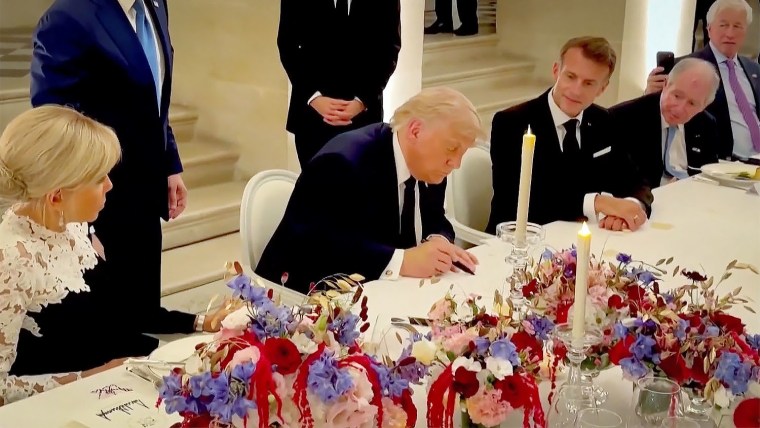
Confusion continued when Trump and Iranian President Masoud Pezeshkian unexpectedly re-signed the agreement at a dinner hosted by French President Emmanuel Macron. The situation remained unclear regarding any official signing ceremony or further discussions.
The conflict’s murkiness persists as both the U.S. and Iran keep exchanging attacks, despite a temporary ceasefire brokered earlier in April. The content of the MOU does not fully align with Trump’s initial goals with Iran. Meanwhile, President Trump’s approval ratings concerning the war have dipped amid high gas prices and approaching midterm elections.
Republicans in Congress, including Sen. Bill Cassidy and Sen. Lindsey Graham, have expressed doubts and mixed feelings about the 14-point MOU. As Vice President Vance announced the start of a 60-day clock for a longer-term agreement, there were delays in confirming the reopening of the Strait of Hormuz. The U.S. did lift its blockade on Iranian ships after the second signing, allowing commercial movements as the MOU required.
The MOU includes provisions to issue sanctions waivers, enabling Iran to sell its oil. It states the U.S. must issue waivers for the export of Iranian crude oil and related services, including banking and insurance, upon signing.
Negotiations were scheduled for Friday in Switzerland to devise a lasting resolution to the war. However, new Israeli strikes in Lebanon complicated the proceedings. Vice President Vance postponed his trip to Switzerland, as Iran demanded assurances that hostilities in Lebanon would cease. A regional diplomat disclosed that mediators are working to address this.
American intelligence suggests Israel might continue targeting Hezbollah in Lebanon, jeopardizing the fragile peace deal. Israeli Prime Minister Benjamin Netanyahu has also criticized the MOU. Despite these challenges, Trump maintains an optimistic view, indicating that the deal will progress smoothly into a second phase.
 British Police Arrest Man Suspected of Terror Plot
 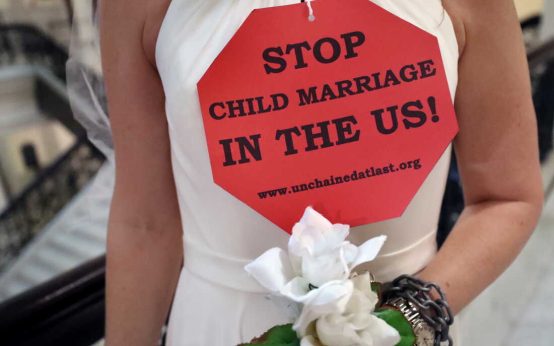 Activists Push for Nationwide Ban on Child Marriage in the U.S.
  Investigation into Alleged Incident at Cornell University
  Rising Drone Threats Highlight Vulnerabilities in Moldova’s Airspace Defense
 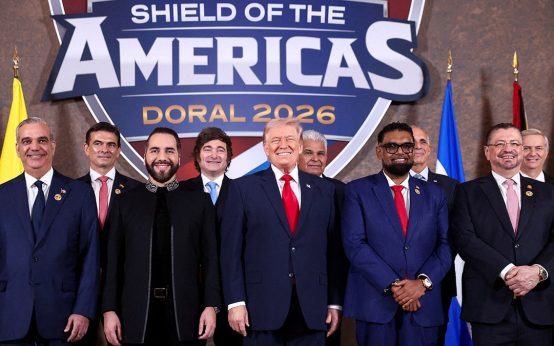 Bolivia Faces Security Test Amid Unrest
 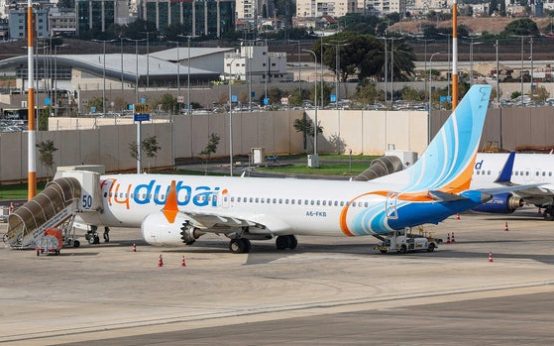 Incident on FlyDubai Flight Raises Security Concerns