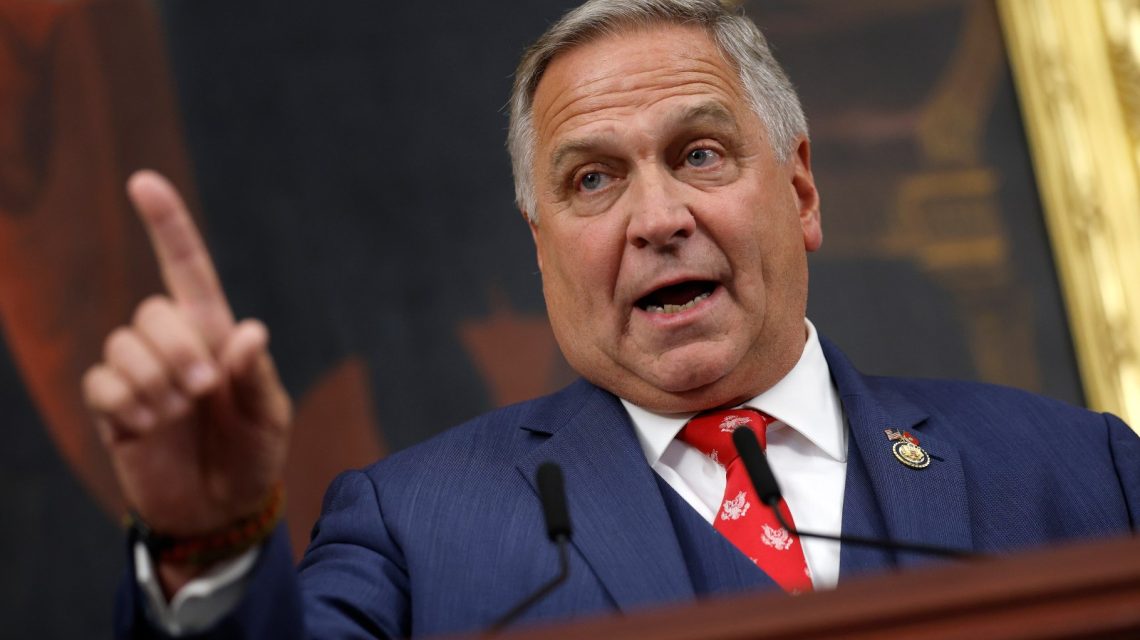
The House stalled the vote on the Take Care of America’s Veterans Act, creating an uncertain path for a bill potentially marking the largest expansion of veterans benefits in over a decade. The bill, sponsored by House Veterans’ Affairs Committee Chairman Mike Bost of Illinois, would enhance benefits for disabled veterans, military survivors, caregivers, and families while reforming healthcare and compensation programs for veterans.
Legislative Struggles
Republican leaders withdrew the legislation amid opposition from lawmakers and veterans’ groups. Concerns arose that expanding certain benefits could jeopardize future disability payments for veterans with conditions like tinnitus and sleep apnea. While the bill garnered bipartisan support, Democrats opposed the proposed funding method, which involves reducing future benefits for other veterans.
“We have found a pathway to finally get these benefits and transformations done for the first time in years. It is fiscally responsible to do so.” — Mike Bost
Despite bipartisan backing for many provisions, disagreements on funding have stalled the progress of veterans initiatives for years. Critics argue against expanding benefits by limiting future compensation for disabled veterans.
Bill Provisions
Formally named H.R. 9237, the bill seeks to amend federal veterans laws, enhancing benefits and VA operations, including compensation, survivor benefits, claims processing, disability ratings, and healthcare administration. High-profile elements are:
Major Richard Star Act: Allows 50,000 combat-injured veterans to receive both military retirement pay and VA disability compensation without reductions.
Love Lives on Act: Expands benefits for military widows and widowers who remarry.
Additional provisions include caregiver support, mental health initiatives, and claims-processing reforms.
Funding Controversy
The main controversy surrounds funding methods. The bill proposes changes to VA disability compensation, possibly reducing payments for tinnitus and sleep apnea claims. Democrats criticize the offsetting approach, preferring not to fund new benefits by cutting existing ones.
“The Republican insistence on offsetting new investments in veterans is both absurd and cruel.… A great nation keeps its promises.” — Blumenthal and Takano
Proponents argue the reevaluation of tinnitus and sleep apnea compensation has been ongoing for years, and passing the bill redirects savings to veterans’ programs. Without the bill, savings might return to the Treasury.
Divided Veterans Groups
Veterans organizations are split. Supporters, including the American Legion and Wounded Warrior Project, see the bill as a chance to advance numerous veterans priorities. However, opponents like Disabled American Veterans and Veterans of Foreign Wars argue the funding offsets unfairly impact veterans with other disabilities.
“Some veterans would gain benefits they’ve been wanting, but future veterans with tinnitus or sleep apnea claims could see reduced compensation.” — Alex Beene
Future Uncertainty
After the legislation was pulled from the House floor, its future remains uncertain. The delay threatens the chance of passing it before summer’s end. The withdrawal followed the defeat of a Democratic attempt to amend the bill. There’s concern among veterans that promised benefits might be renegotiated, questioning the government’s commitment to service members.
 The Trump Team’s Challenge to the Military Leadership
  Maryland First State to Restrict Electronic Pricing in Grocery Stores
  Activists Push for Nationwide Ban on Child Marriage in the U.S.
  Democratic Hopes and Historical Warnings in 2026 Senate Race
  Republicans Face Challenges Amidst Cost of Living Concerns
  A Different Kind of Fall for Congress This Year