Implications of the Weak Jobs Report
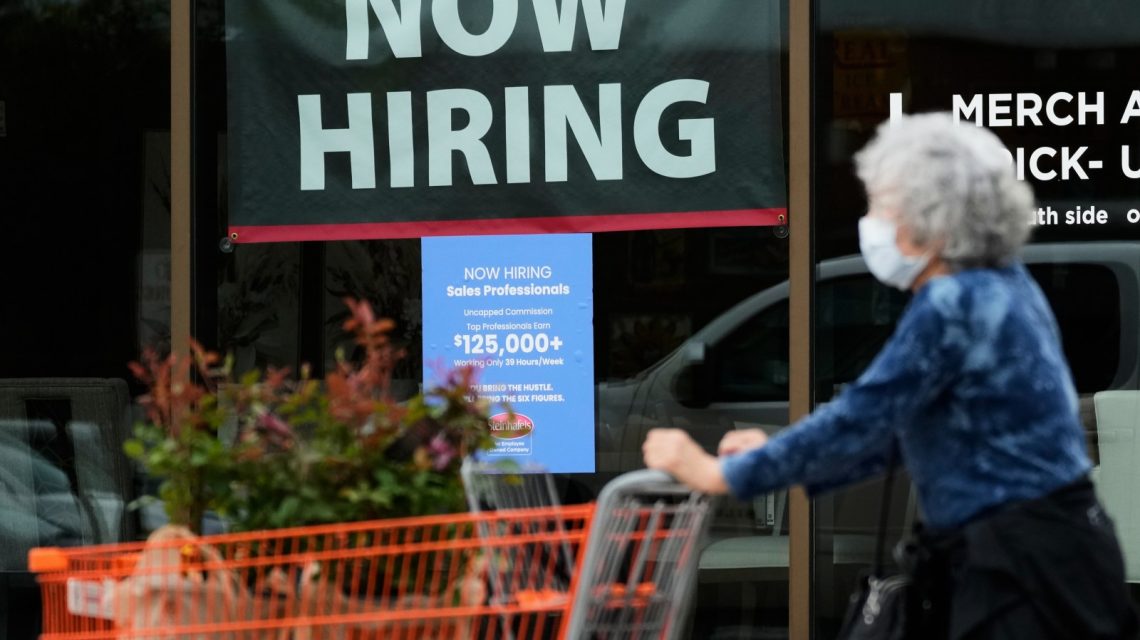
The recent jobs report, showing a loss of 23,000 jobs in July, points to unexpected economic changes. Data from the Bureau of Labor Statistics revealed employment declines in local government, education, and retail trade sectors. This suggests a weaker labor market than experts anticipated.
The magnitude of the payroll miss suggests the labor market may be losing momentum.
Charlie Ripley, senior investment strategist for Allianz Investment Management, emphasized the effect on the Federal Reserve’s plans. He noted this report shines a light on employment, influencing decisions on interest rates.
Effect on Federal Reserve’s Decisions
The job losses make it unlikely that the Federal Reserve will raise rates soon. Jamie Cox from Harris Financial Group agrees with holding off on interest rate hikes. The Fed previously decided to maintain rates between 3.5% and 3.75%, amidst inflation concerns tied to ongoing geopolitical tensions.
Kevin Warsh, the new chair, aims to lower inflation to 2%. However, the current economic conditions suggest this goal might take time.
Mortgage Rates and Housing Market Impact
The Federal Reserve doesn’t directly set mortgage rates but influences them through its policies. Mortgage rates follow Treasury yields, which react to the Fed’s interest rate decisions. If the Fed increases rates, mortgage rates could rise.
Many expected rate hikes due to strong job reports, but the recent data changes this narrative. Chris Zaccarelli from Northlight Asset Management highlighted that prior expectations were based on a robust job market, which no longer seems accurate.
The Fed’s next meeting in September will be crucial in determining future actions.
Considerations for Homebuyers
The potential for rate cuts or pauses offers good news for homebuyers, ensuring mortgage rates remain steady. However, a weaker job market could deter people from buying homes, despite stable rates.
A soft labor market might lower financing costs but also reduce buyer demand. Realtor.com economist Jake Krimmel explained that while housing market conditions were calmer, pending sales continue to surpass last year’s pace.
Pricing remains realistic with modest labor market effects supporting housing demand.
Both the Fed and potential buyers adopt a cautious approach, waiting for further developments.
Current Economic Indicators
The average 30-year mortgage rate sits at 6.69%, slightly higher than the previous week. Inflation trends show a decrease, with the annual rate falling to 3.5% in June from 4.2% in May.
The Federal Bank of Cleveland projects modest increases in core inflation. The Bureau of Labor Statistics will publish the July inflation report on August 12, providing more insights into economic trends.