The commander of U.S. Forces Korea, Xavier Brunson, visited South Korea’s Defense Ministry to discuss reducing joint military exercises. This follows instructions from President Donald Trump to significantly decrease these drills. Both USFK and the ministry have yet to comment officially.
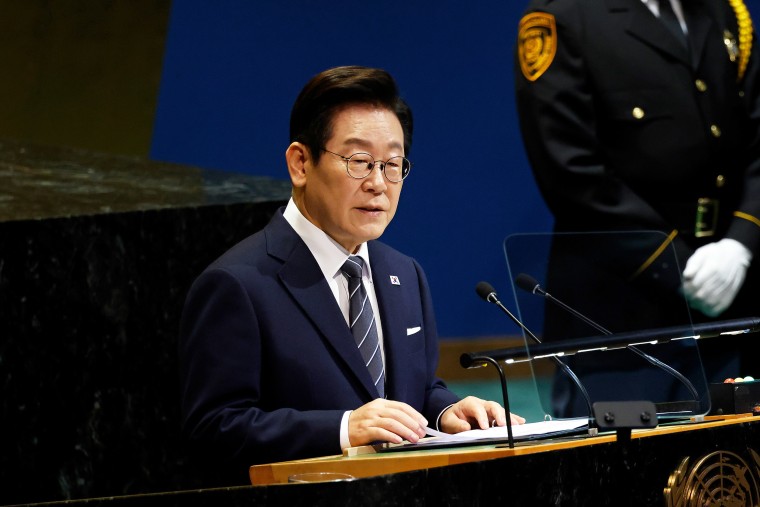
South Korean President Lee Jae Myung emphasized the importance of South Korea developing strong independent defense capabilities. During a cabinet meeting, he highlighted that civil defense exercises are defensive, not hostile towards North Korea. Lee stressed continuing with the transition of wartime operational control from the U.S. under his administration.
Lee described the alliance with the U.S. as foundational for security. He noted that boosting South Korea’s defense capabilities reinforces this alliance. Preparing for potential scenarios, he called for quicker progress on the nuclear-powered submarine program and better-trained officers for integrated operations.
During a National Security Council meeting, Lee reiterated that civil defense exercises are to safeguard citizens, not to threaten North Korea. The exercises, coinciding with major U.S.-South Korea drills, aim to protect daily life.
National Security Adviser Wi Sung-lac shared hopes that Trump’s message might aid U.S.-North Korea dialogue. Successful engagement could lead to peace and stability on the Korean Peninsula.
Chinese Foreign Minister Wang Yi is scheduled to visit South Korea for talks on the Korean Peninsula and regional security. The coordination with Washington on combined defense postures will continue. The annual Ulchi Freedom Shield exercises started Monday and will run through August 27.
 Sen. Cotton Opposes Permanent Daylight Saving Time
 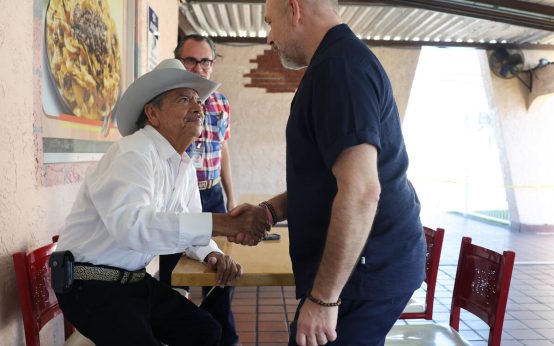 Steve Hilton’s Latino Outreach and Gubernatorial Ambitions
 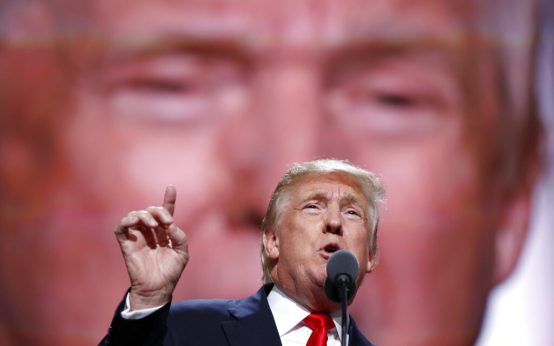 The Need for Reform in Presidential Nominations
 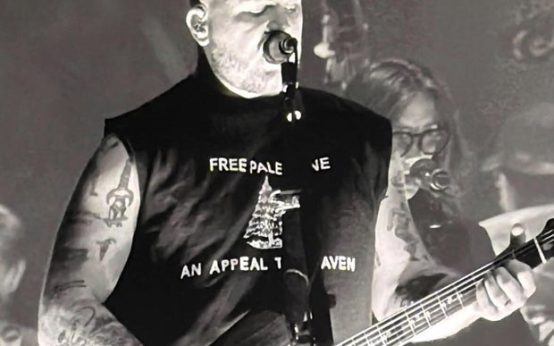 Controversy Surrounds Performances at Gillette Stadium
  Celebrity Controversies Over Political Activism and Speech
  The Threat of Melting Glaciers: A Call to Action