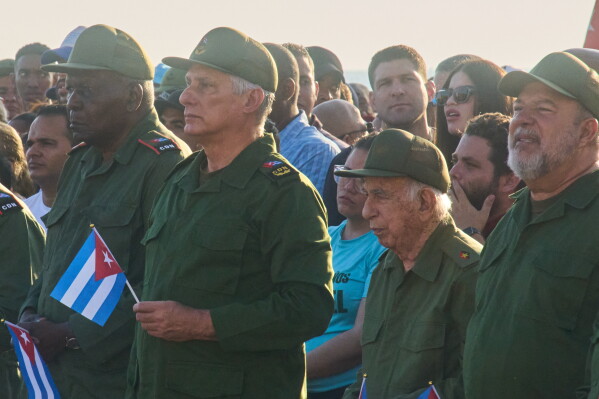
Cuba’s government is exploring new avenues in response to foreign hotel chains withdrawing or limiting their operations on the island. It expressed openness to allowing Cuban investors, both residents and those living abroad, to manage its hotels. This comes after Spanish hotel chain Melia announced it would cease operations at 15 of the 34 hotels it manages in Cuba, following recent U.S sanctions.
Melia’s decision follows similar moves by other hotel chains, including Canada-based Royalton and Spain’s Iberostar, to suspend operations in Cuba. These decisions have impacted Cuba’s tourism sector, which has struggled since its peak in 2018. Cuba blames the U.S. blockade for exacerbating issues such as power outages, water shortages, and supply chain disruptions, affecting daily life.
President Miguel Díaz-Canel revealed the new management policy during an interview with a Spanish journalist, broadcasted on the official presidential channel. He stated, “We will need to rely more on Cuban management for certain hotels than on shared management with foreign entities.” He emphasized the openness to different business models, including opportunities for Cubans residing abroad to invest and manage hotels.
The backdrop to this decision is the expansion of U.S. sanctions against Cuba by former President Donald Trump. Most of these sanctions targeted Grupo de Administración Empresarial S.A. (GAESA), operated by the Cuban Revolutionary Armed Forces, citing it as a threat to U.S. national security. The sanctions have led to asset freezes for foreign companies and restrictions on travel and financial activities in the U.S.
GAESA, via its subsidiary Gaviota, had partnered with Melia in hotel management ventures. Before Melia’s partial withdrawal, it managed around 14,000 rooms across Cuba. The tourism sector faced a sharp decline in visitors, with numbers dropping 48% in the first quarter compared to the same period in previous years.
In his interview, Díaz-Canel criticized the U.S. for what he described as a “cynical” narrative pushed by Trump and U.S. Secretary of State Marco Rubio regarding Cuba’s governance. He suggested the U.S. aims to pressure Cuba into submission, possibly as a pretext for intervention. This is in light of heightened tensions despite earlier talks between U.S. and Cuban officials this year.
Further fueling tensions was the late-May indictment by the U.S. against former Cuban President Raúl Castro related to the 1996 incident involving the downing of civilian aircraft operated by Miami-based exiles.
 The Threat of Melting Glaciers: A Call to Action
 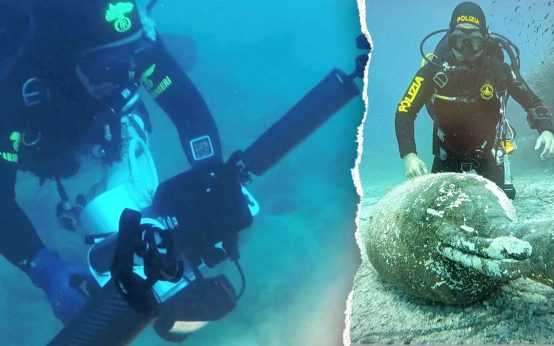 Police Discover Ancient Roman Artifacts Off Sardinian Coast
  Urgent Need for Action in East Africa’s Food Crisis
 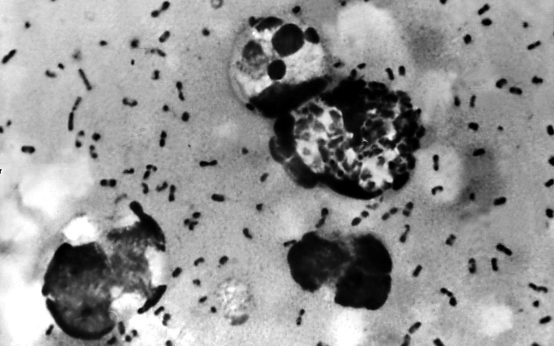 Suspected Plague Death in Siberia Sparks Health Measures
 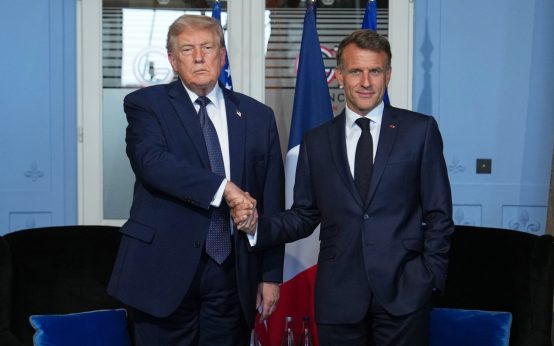 G7 Nations Agree to Release 100 Million Barrels of Oil Amid Fuel Price Surge
  Co-Pilot Attempts Hijack on Flight to Tel Aviv