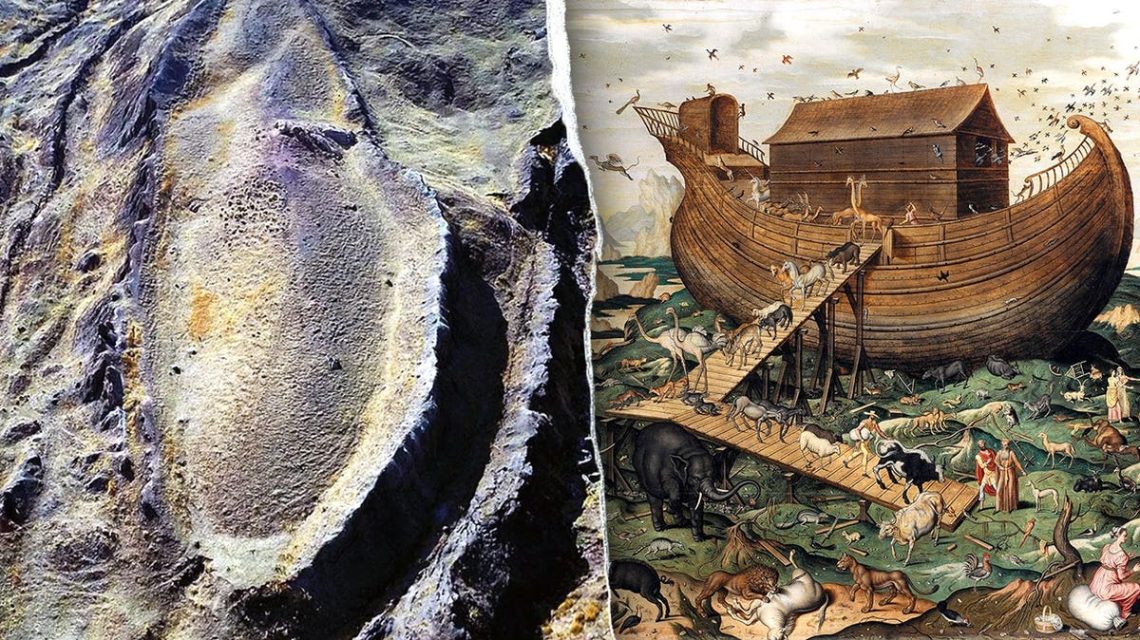
Andrew Jones, a researcher with Noah’s Ark Scans, made claims regarding the purported remains of Noah’s Ark in Turkey. Speaking on “Fox & Friends,” he detailed evidence supporting this theory.
Location of Interest
The focus is the Durupinar site in eastern Turkey, identified in the 1950s. This site has been debated for years. Some geologists view the formation as natural, but recent findings suggest otherwise.
New Soil Analysis
New data shows chemical differences in soil samples from the site. Researchers report higher organic content within the so-called boat shape. They argue this supports the idea of decayed wood, resin, or animal matter consistent with the Ark narrative.
A 1996 paper contradicted these claims. It labeled the site a natural rock formation. However, the new soil analysis challenges that view.
“The differences between the ‘inside’ and ‘outside’ samples are statistically staggering,” Jones stated.
Inside the supposed boat formation, potassium levels are 38% higher. The soil also shows an eightfold difference in pH and triple the organic content.
Implications of Findings
Jones suggests these differences point to an environment influenced by biological decay over time. This data could imply a “closed system” that altered the soil’s chemical makeup.
He believes these findings point to a complex structure unlikely to have formed through geological processes alone. The team is looking at further research, including core drilling and advanced mapping.
Heightened Interest and Next Steps
The research continues with the assistance of Turkish scientists. Jones mentioned discovery of tunnel-like formations within the site, adding credibility to the man-made structure theory.
Research builds on past analyses, including 3-D radar scans from 2019 that indicated subsurface anomalies. With ongoing investigation, the debate over the Durupinar formation’s origin persists.
 Climate-Resistant Rock Glaciers: Hidden Water Resources
  California Voters to Decide on $7.5 Billion State Research Fund
 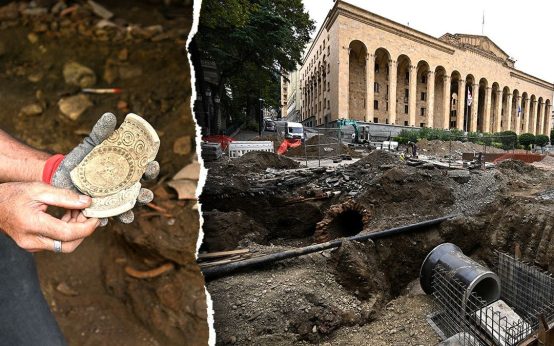 Ancient Pottery Unearthed During Roadworks in Tbilisi
  U.S. Space Academy Announcement
  The Need for New Strategies in Oregon’s Wildfire Management
 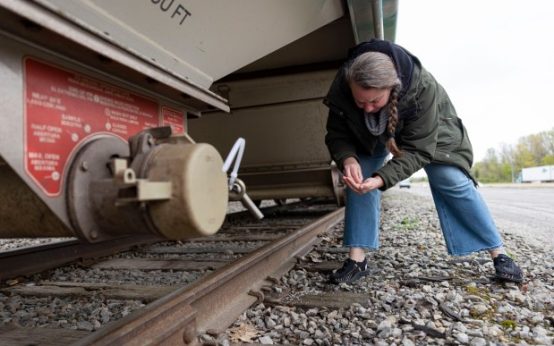 Plastic Pollution in the Great Lakes: A Growing Concern