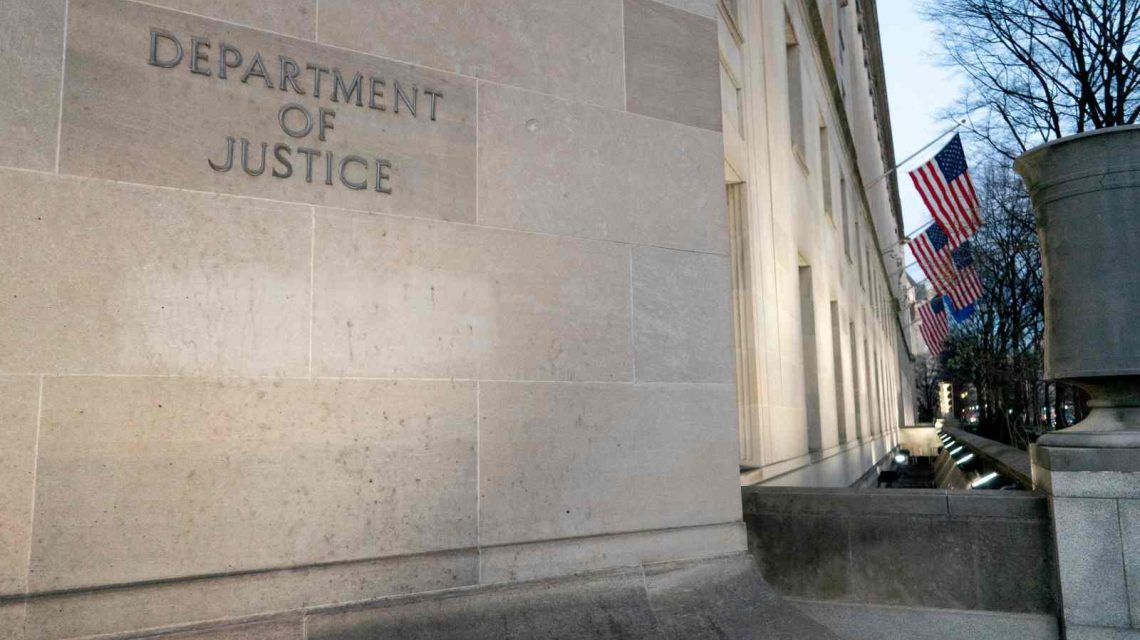
A federal judge recently took significant action against U.S. Department of Justice attorneys due to statements made while defending a subpoena related to gender-affirming care records. This subpoena aimed to require a Rhode Island hospital to provide detailed information on its care for transgender youth. This step by U.S. District Court Judge Mary McElroy followed her decision to quash the subpoena last month.
Judge McElroy, appointed by President Donald Trump, highlighted that the DOJ misrepresented and withheld vital information to compel compliance from Rhode Island Hospital. Her ruling aligned with similar judgments from other federal courts, which has resulted in the quashing or limiting of broad subpoenas directed at more than 20 healthcare providers.
“The DOJ has immense prosecutorial authority and discretion, yet it is no longer seen as trustworthy in enforcing its powers fairly,” Judge McElroy stated in her ruling.
The DOJ’s Civil Division, this week, countered Judge McElroy’s claims, asserting that their comprehensive review found the accusations unfounded.
Details of the Subpoena Controversy
Judge McElroy emphasized in her May 14 ruling that the DOJ’s actions showed they were not worthy of trust. She accused DOJ lawyers of misrepresenting facts before her court and others, attempting to hide their investigative methods previously rejected by courts.
She noted a misleading declaration by a DOJ lawyer, suggesting the hospital failed to cooperate with the subpoena. In reality, hospital representatives had responded to the DOJ’s communication.
“This disregard for the duty of candor to a federal court is appalling,” McElroy wrote.
The subpoenas demanded the release of sensitive patient information, including birth dates, Social Security numbers, and addresses, as well as detailed records on gender-related care over five years. The DOJ maintained this information was necessary to investigate potential fraud or the unlawful promotion of drugs.
DOJ’s Position and Investigation Goals
The DOJ has underlined that they need this data to explore potential “misbranding” issues with drugs like puberty blockers, suspecting financial incentives affecting prescription practices. Despite legal off-label prescribing, they argued the investigation was essential. However, Judge McElroy dismissed their arguments and stated the administration targeted gender-affirming care in minors as abuse.
DOJ’s Response to Judge McElroy’s Decision
The DOJ announced plans to appeal McElroy’s order, staunchly defending their attorneys against accusations of misconduct. The Civil Division described these allegations as rare and serious, committing to appropriate action if needed.
“The Civil Division has reviewed the District Court’s allegations, finding them without merit,” stated a DOJ spokesperson. “Our attorneys did not misrepresent facts or withhold information, and we stand by them fully,” they added.
 Immigration Judge Allows Deportation of Wisconsin Mosque Leader Salah Sarsour
 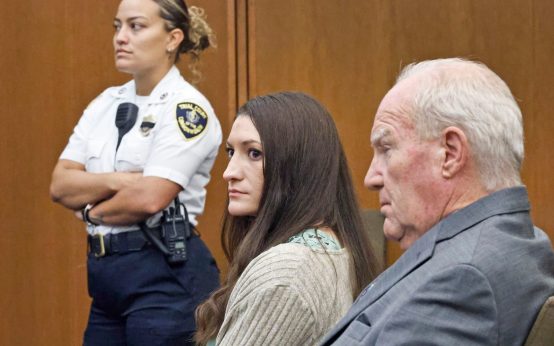 Lindsay Clancy Faces Potential Retrial After Mistrial
  Tennessee Prepares for Rare Execution of Woman on Death Row
  Mistrial in Lindsay Clancy Case: Juror Speaks Out
 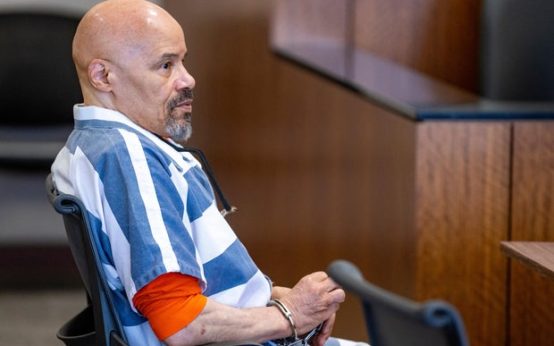 Utah Judge Orders Release of Man on Death Row After DNA Evidence Emerges
  Kurt Olsen Resigns from the Justice Department Amid Investigation