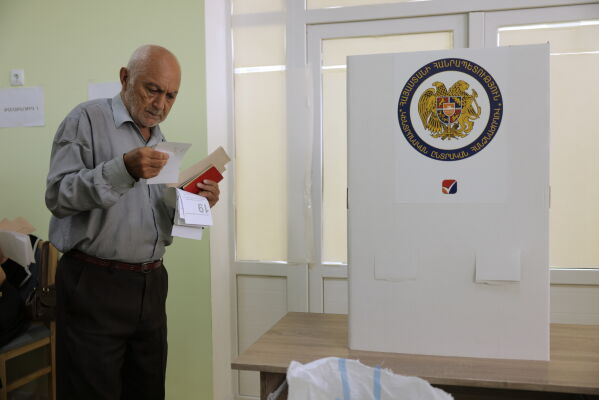
Armenia’s Prime Minister, Nikol Pashinyan, announced victory in a key general election, which tested Russia’s influence in the South Caucasus region. Preliminary results showed Pashinyan’s ruling party leading significantly, with more than double the votes of their closest competitor.
Pashinyan seeks a strong mandate to shift Armenia’s geopolitical stance, aiming to reduce dependency on Moscow and strengthen ties with the West. He emphasized the role of the European Union as a key partner in implementing democratic reforms, stating, “The European Union is our main partner in democratic reform implementation, and we will continue that path.”
Election observers from Europe described the elections as divisive but efficient. They noted concerns about Russian efforts to influence outcomes using economic measures and suggested Pashinyan’s government had limited the activities of the largely pro-Russian opposition.
Pashinyan’s Civil Contract party led the results, securing 49.82% of the vote. Samvel Karapetyan, a rival supported by pro-Russian interests and currently under house arrest for allegedly attempting to overthrow the government, secured 23.28%. Karapetyan’s Strong Armenia bloc criticized the charges as politically motivated.
“Despite attempts, Russian interference in the election was largely ineffective,” said Richard Giragosian, head of the Regional Studies Center think tank in Yerevan.
Additional scrutiny came as Armenian investigators issued arrest warrants for Strong Armenia members, citing alleged vote-buying. The Central Election Commission confirmed all precincts had been counted, but official results awaited possible legal challenges from parties.
Russian Influence and Economic Pressures
Russia warned Armenia of negative economic consequences should it pursue closer ties with the EU. Moscow controls significant parts of Armenian infrastructure and energy, a concern highlighted by President Vladimir Putin in discussions with Pashinyan. Recently, Russia restricted the import of Armenian goods citing regulatory reasons, which the European Commission has labeled as “economic coercion.”
Observers noted that Russia’s comparative threats echoed its actions in Ukraine, as Pashinyan’s government pursued peace efforts with Azerbaijan over the contentious Karabakh region.
The snap election holds broad implications for Armenia’s political landscape. With 61 seats in the National Assembly, Pashinyan can independently pass most laws. The Hayastan bloc, led by former President Robert Kocharyan, secured 9.93%, while Prosperous Armenia, a Russian-aligned party, neared the necessary 4% to enter the parliament. Voter turnout was approximately 58.94% according to the latest data.
Future Cooperation with Azerbaijan and Broad Reactions
Despite criticism, Pashinyan announced intentions to deepen peace efforts with Azerbaijan. An agreement involving the United States and Azerbaijan was initialed, proposing a new transit corridor named after former President Donald Trump.
International observers emphasized that the election presented genuine alternatives to voters, noting the conflicts and legal challenges faced by opposition members. They also highlighted the exceptionally confrontational nature of the campaign and the public’s perception of justice.
The EU’s leadership, including European Commission President Ursula von der Leyen, praised the election’s democratic process and looked forward to strengthening ties with Armenia. Meanwhile, Russia’s Foreign Ministry issued critical remarks but did not specify examples of alleged external interference.
Giragosian speculates that Russia may continue to work with Pashinyan’s administration, adjusting its approach based on Armania’s evolving diplomatic actions.
 Realtor Arrested for Alleged Work as Unregistered Chinese Agent
 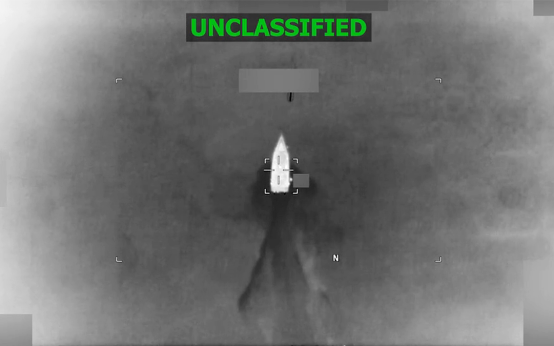 U.S. Military Strikes Vessel in Caribbean, Alleging Drug Trafficking
  Support for White Nationalism Among Young White Males in the U.S.
  Exhaustion Among Americans in Trump’s Second Term
  The Inhumanity, Cost, and Bias of the Death Penalty
  Trump’s Promise of $5,000 for Every American Adult