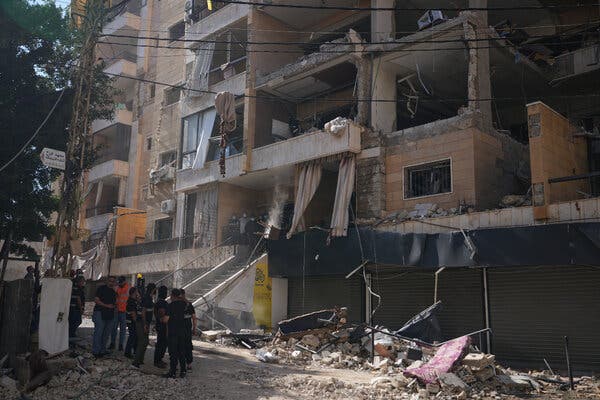
The ongoing power struggle between Iran and Israel has once again centered on Lebanon. These countries have repeatedly used Lebanon as a battlefield to pursue their strategic goals in the Middle East.
On Sunday, tensions escalated when Hezbollah, a Lebanese armed group supported by Iran, launched an attack on Israel. In response, Israel retaliated against Hezbollah strongholds in Beirut’s southern suburbs. Iran then responded to the Israeli strikes by targeting northern Israel.
Experts suggest that leaders in both Israel and Iran have drawn firm boundaries through Beirut, Lebanon’s capital, amplifying tensions and risking further conflict. Lina Khatib, an associate fellow at the Chatham House research institute, noted that neither Iran nor Israel has shown willingness to compromise over Lebanon’s fate, setting the stage for the recent escalation.
Amid this conflict, the role of global powers is evident. With efforts to resolve the U.S.-backed Israeli conflict with Iran, Tehran insists that any peace agreement must include Lebanon. However, Israeli Prime Minister Benjamin Netanyahu has dismissed this demand. Netanyahu accused Iran and Hezbollah of attempting to create a new power equation by attacking Israel in retaliation for Israeli strikes on Beirut.
Netanyahu declared this situation intolerable, signaling his rejection of the actions that he sees as efforts by Iran and Hezbollah to redefine rules in the region.
 U.S. Monitors Russian Plague Scare
 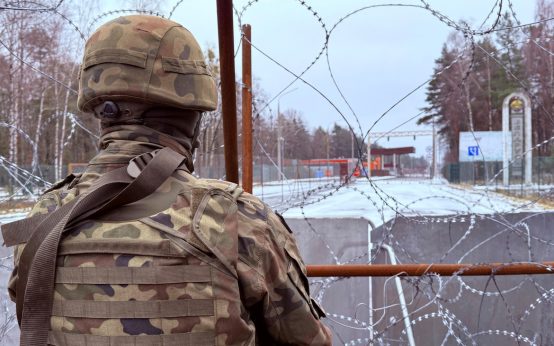 Poland Prepares for Potential Conflict
 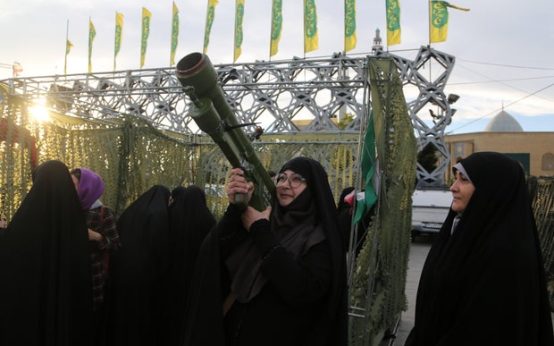 Current Developments in the Iran Conflict and the Impact on Oil Markets
  Defeat Threatens Sánchez and His Leadership
 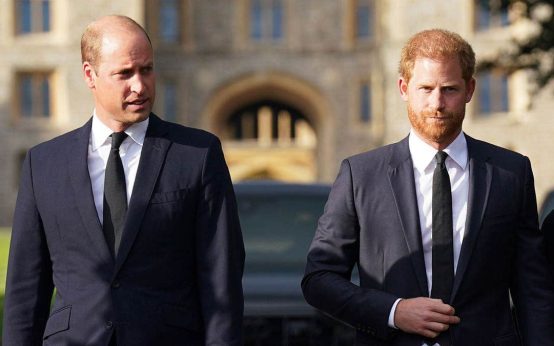 Tensions Surround Prince William and Prince Harry Amid Diana Anniversary Projects
  Realtor Arrested for Alleged Work as Unregistered Chinese Agent