FISA Section 702 and Its Implications
President Donald Trump is urging Congress to renew a vital surveillance law before its expiration on June 12. He emphasizes its importance for security during the FIFA World Cup. However, this push faces resistance from both Republicans and Democrats, raising concerns about the program’s potential lapse.
The debate centers on Section 702 of the Foreign Intelligence Surveillance Act (FISA). This allows U.S. intelligence agencies to monitor foreign communications. Supporters view it as essential for counterterrorism, while critics warn it might capture Americans’ communications without warrants.
Political Opposition and Challenges
A significant group of Republican lawmakers who previously opposed an extension might influence the outcome again. Recently, Congress passed a 45-day extension of FISA Section 702, but further support for a long-term extension remains elusive.
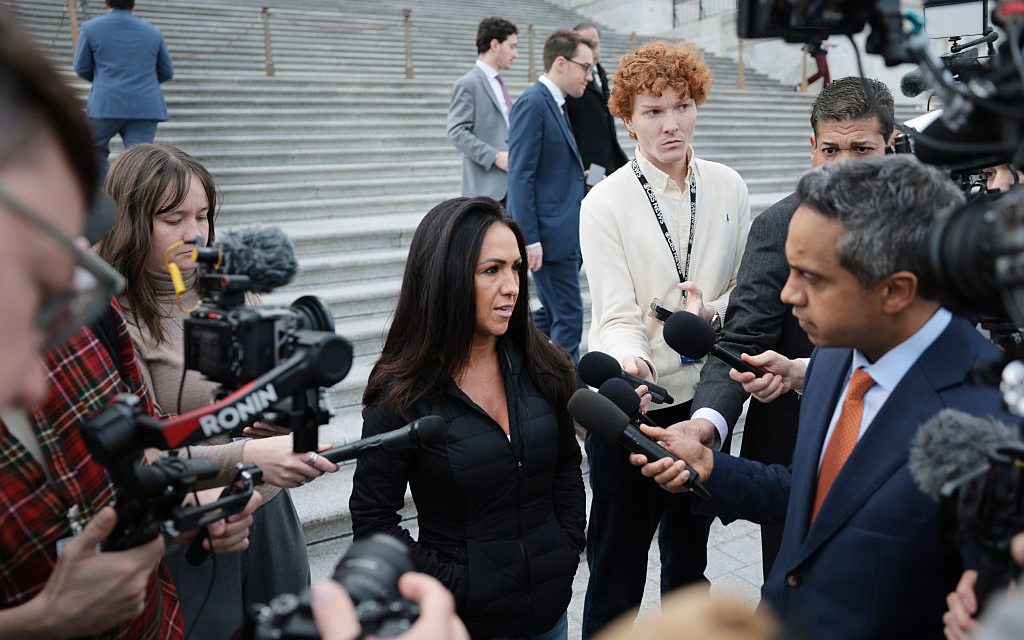
Republicans like Representatives Thomas Massie of Kentucky and Lauren Boebert of Colorado have led efforts against FISA, describing it as unchecked surveillance. Senator Rick Scott voiced his reluctance to support reauthorization without reforms, urging a focus on surveilling foreigners instead of Americans.
Democratic Concerns and Pulte’s Appointment
While some Democrats also oppose reauthorization, their concerns include Bill Pulte’s appointment as acting director of national intelligence. House Minority Leader Hakeem Jeffries expresses reservations about Pulte’s lack of national security experience. His stance might sway other Democrats, complicating the reauthorization process.
Responses from Key Figures
Senate Majority Leader John Thune supports the legislation, emphasizing its role in preventing terrorist attacks. However, Trump’s connection between FISA renewal and the World Cup may not persuade all lawmakers.
Trump’s insistence on Pulte’s appointment and the press for FISA reauthorization add complexity. Jeffries and other Democrats argue that Pulte poses risks due to his perceived willingness to misuse authority against opponents.
Implications for National Security
As the expiration date approaches, the decision on FISA remains unresolved. Congress must act before June 12 to prevent its lapse. The path to renewal involves balancing Republican and Democratic viewpoints amid national security concerns.
 Rahm Emanuel Advises Against Impeaching Trump and Calls for Ethics Reforms
  Rahm Emanuel Discusses Potential Presidential Run and Jewish Identity
  JD Vance’s Influence Grows as 2028 Speculations Arise
  Laura Ingraham Criticizes Democratic Policies on ICE and Immigration
 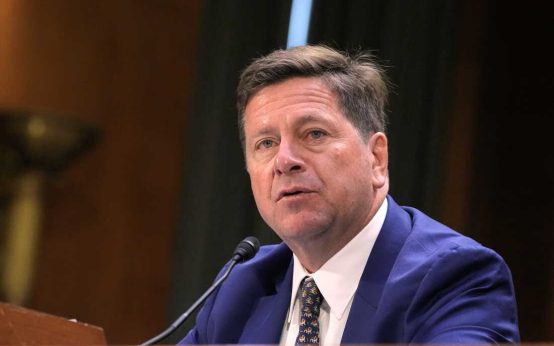 Jay Clayton Appointed as White House AI Czar
 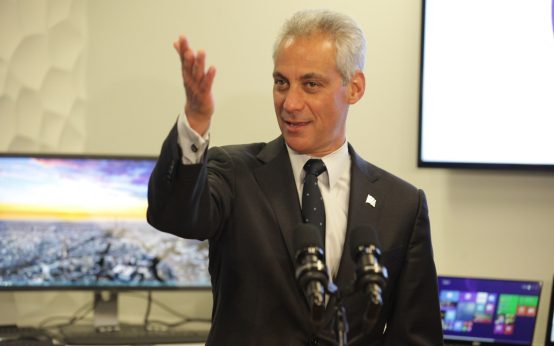 Debate Over Democratic Socialism Intensifies Within Democratic Party