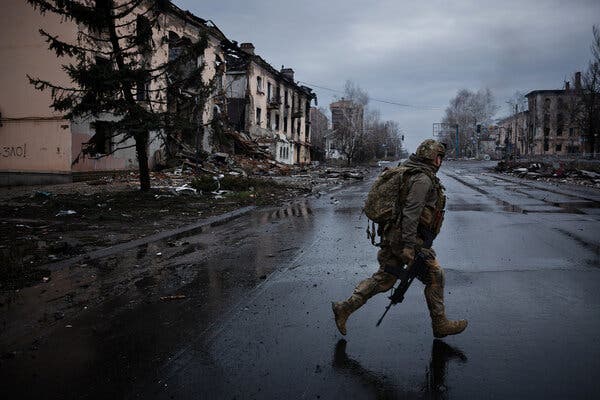
The conflict in Ukraine shares numerous similarities with World War I, particularly in terms of relentless combat and the impact of modern technologies on military tactics. A notable instance is observed in Kostiantynivka, where drone warfare has left significant destruction. As of June 11, 2026, the war in Ukraine has continued for more than four years and three months, surpassing the duration of World War I.
When President Vladimir V. Putin initiated the invasion of Ukraine in February 2022, he anticipated quick success, predicting Ukraine’s collapse in a matter of days. Contrary to these expectations, Ukraine’s resistance led to prolonged hostilities characterized by attrition. Even those involved in the fighting initially thought the conflict might span two or three years before a political settlement emerged, as reflected in the words of a Ukrainian soldier, who used the call sign ‘France’ due to his past service with the French Foreign Legion.
Despite ongoing warfare and stalled peace negotiations, prospects for a resolution appear distant. Surveys indicate that approximately half of Ukrainians foresee the war persisting into the following year, nearing the six-year length of World War II. Many Ukrainians contend that the current conflict actually originated in 2014 with Russia’s annexation of Crimea.
Understanding the complexities and historical parallels is vital for comprehending the significance of the Ukrainian war’s prolonged nature. As such, with no immediate end in sight, the conflict embodies both historical and modern aspects of warfare.
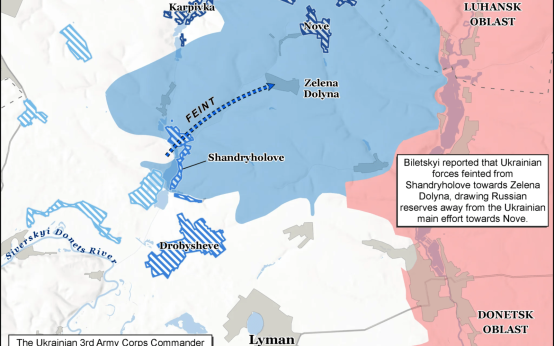 Ukraine Converts APCs to Explosive Devices in Donetsk Offensive
 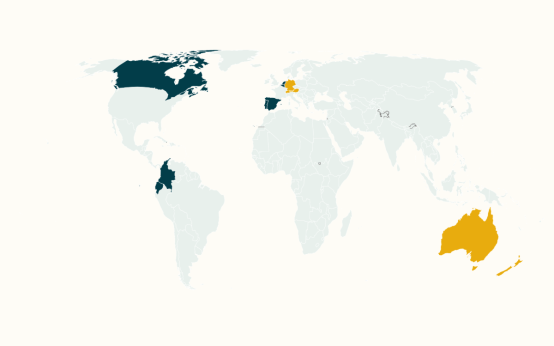 Dutch Review Board’s Euthanasia Ruling and International Debate
 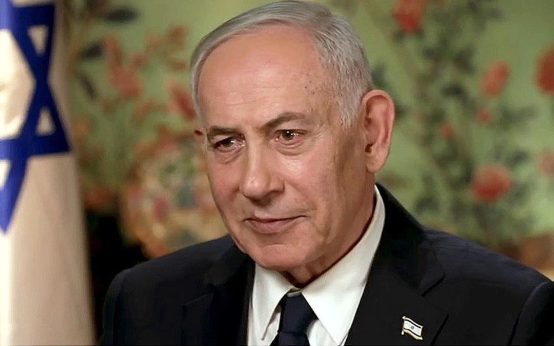 Israeli PM Commends Heroic Actions in Flight Emergency
  Rabbi and Jewish Leaders Criticize Adam Brody for ‘Genocide’ Comment
  Flydubai’s Emergency Landing Highlights Cockpit Security
 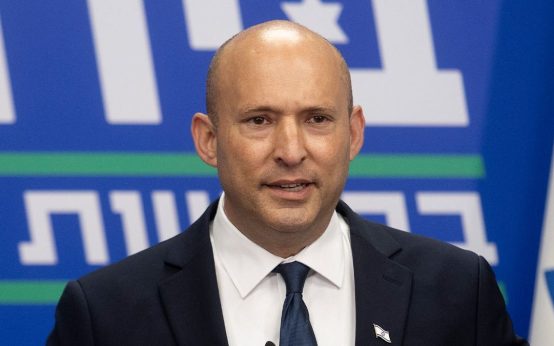 Former Israeli PM Naftali Bennett Commends Passengers and Crew for In-Flight Heroism