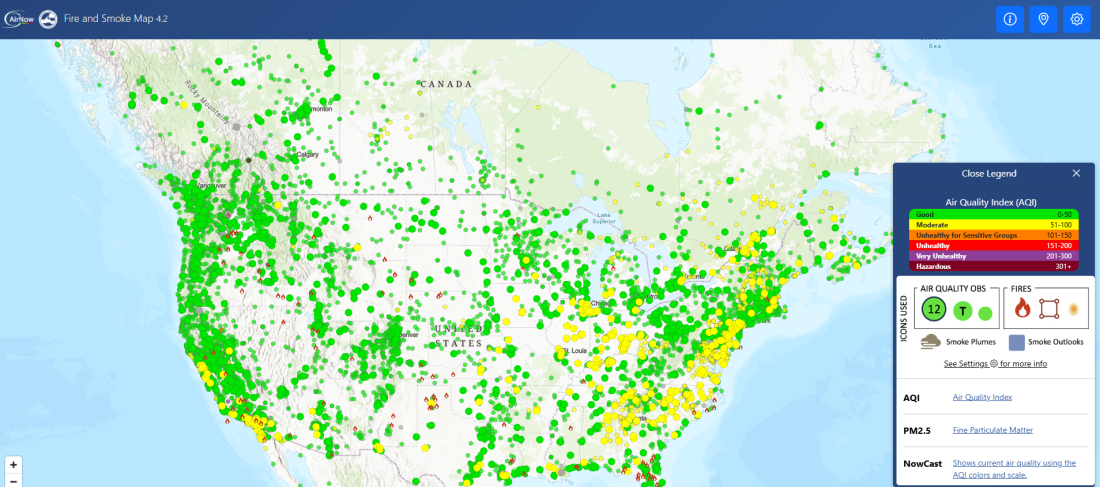
The federal government’s website fire.airnow.gov offers real-time wildfire and smoke maps, partially developed from research funded by the U.S. Forest Service. This advanced mapping technology helps track the movement and impact of wildfires and smoke across the United States.
Few public universities, such as the University of Washington (UW) in Seattle, receive as much federal research funding. However, the atmosphere on campus is tense due to the suspension or cancellation of a significant portion of funding by the Trump administration. These cuts affect vital research conducted by institutions, including UW’s School of Environmental and Forest Sciences. Proposed cuts to the U.S. Forest Service funding and its reorganization could significantly impact the West, which faces severe wildfire risks.
Wildfire Crisis and Research Contributions
Ernesto Alvarado, a fire ecologist and associate professor at UW, highlights the wildfire crisis facing the West and the entire U.S. On his computer, he monitors a map displaying active wildfires, smoke forecasts, and harmful particulates. By zooming in on a wildfire in New Mexico, he illustrates how people in nearby areas like Ruidoso can use this information to track smoke movements.
“We need to bring new technology fast,” Alvarado emphasizes. The taxpayer-funded technology, built upon decades of Forest Service research, is now extensively used by governments, firefighting teams, and commercial apps.
Potential Consequences of Forest Service Reorganization
Currently, 56 of 90 research stations, including the Seattle smoke lab, are slated for closure as part of the Forest Service’s reorganization plans. This move, initiated by the Trump administration, involves relocating headquarters from Washington D.C. to Utah and consolidating regional offices. Former fire behavior scientist Morgan Varner expresses concern over the potential loss of critical research capabilities and expertise due to these changes.
“There’s a haphazard to it that I think is troubling from a scientist standpoint,” Varner remarks. The Seattle lab, strategically located due to its proximity to an international airport and major research institutions, collaborates with top experts and offers advanced research resources. However, the proposed changes may lead to staff relocations and loss of essential institutional knowledge.
Concerns Over Impact on Research and Budget Priorities
Forest Service Chief Tom Schultz defends the reorganization, acknowledging a $3 billion backlog in deferred maintenance. Schultz insists on the importance of research and science, but highlights the need for budget control. Despite this, President Trump’s budget proposal for the Forest Service eliminates research and development funding entirely. Bipartisan congressional opposition to this plan exists, yet Schultz notes that if Congress adopts the president’s budget, adjustments will follow.
Implications for Western States
State officials, like Washington’s public lands commissioner Dave Upthegrove, express concern over the secrecy surrounding the Forest Service’s plans. These research labs significantly contribute to wildfire response strategies and public safety improvements in Washington, particularly in rural areas. Upthegrove underscores the state’s reliance on U.S. Forest Service research to coordinate wildfire suppression efforts.
Initially optimistic about potential improvements in public lands management, Upthegrove notes a recent lack of communication from the Forest Service. This creates uncertainty as the Pacific Northwest faces increased wildfire vulnerability and smoke risks in the coming weeks.
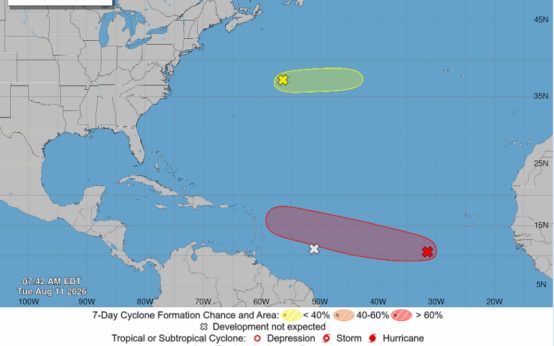 Atlantic Disturbance May Become Third Named Storm of 2026
 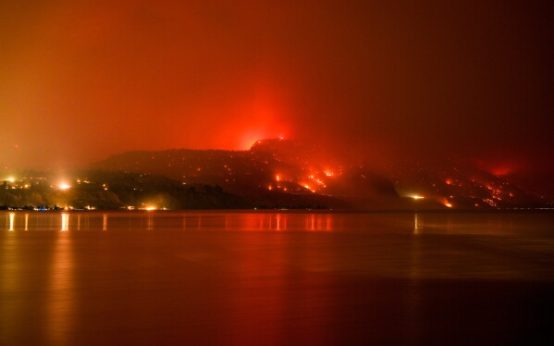 Canada’s Battle Against Wildfires Intensifies with Military Standby
  NOAA Withdraws Direct Support from 2026 Arctic Report Card
 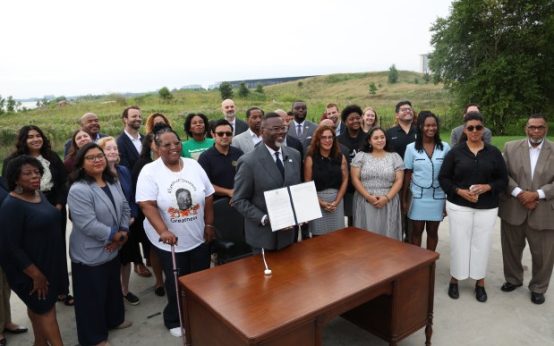 Mayor Johnson Orders Stricter Data Center Regulations in Chicago
  NOAA Withdraws Support from Arctic Report Card
  Impacts of an Intensifying El Niño on Western U.S. Weather