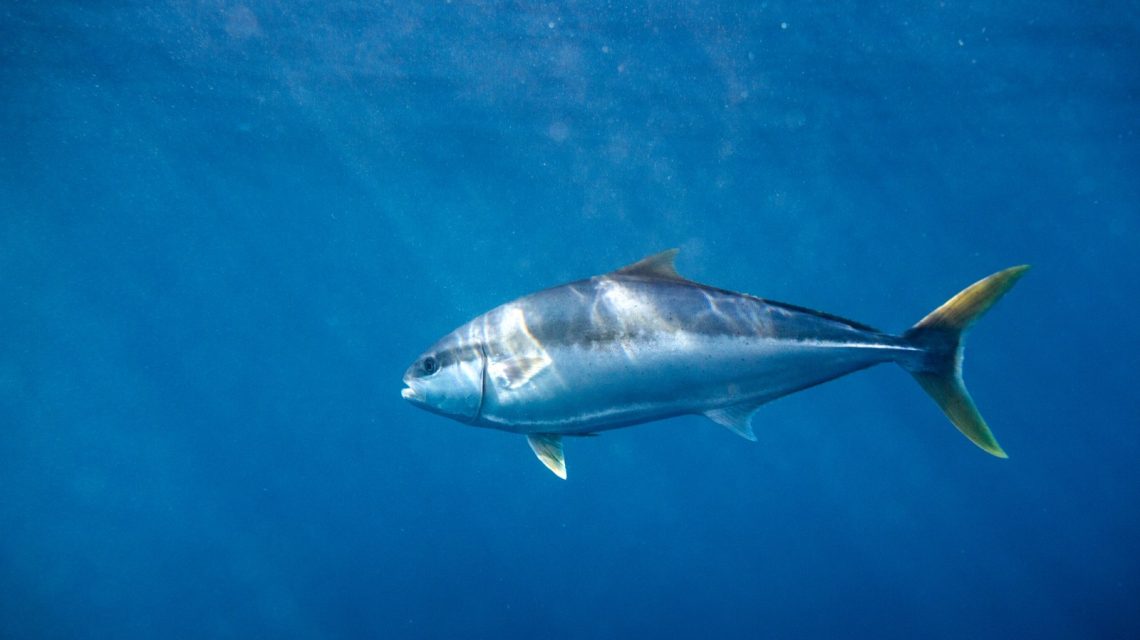
President Donald Trump has signed a proclamation allowing commercial fishing in parts of federally protected marine national monuments in the Pacific Ocean. This decision aims to increase domestic seafood production and strengthen U.S. fishing communities.
Industry Support and Environmental Concerns
Fishing industry groups and officials within the Trump administration support the policy. They believe it will boost domestic seafood production, strengthen coastal economies, and help U.S. fleets compete globally. However, the move has drawn criticism for potentially undermining ecosystem safeguards.
Conservation groups argue the policy endangers regions designed to restrict human activity for environmental protection. Critics claim that these shifts in policy signify a broader deregulation trend, focusing on economic benefits at the expense of environmental health.
Details of the Proclamation
The proclamation restores commercial fishing access to sections of three major marine protected areas previously restricted or banned. These areas were initially designated by Presidents George W. Bush and Barack Obama to preserve sensitive waters and marine biodiversity.
Marine monuments are investments in healthy oceans by serving as places for fish and wildlife to breed, feed, and grow. They are globally recognized as significant places for endangered marine life.
The White House reported that the changes reopen nearly half a million square miles of Pacific waters to commercial fishing. The administration argues that prohibiting commercial fishing is unnecessary due to existing laws, such as the Magnuson-Stevens Fishery Conservation and Management Act, already protecting fish species.
Protected Areas Previously Established
Marine monuments affected by the order were established or expanded between 2006 and 2016 to conserve marine ecosystems. President Bush used the Antiquities Act to create several of these monuments, recognizing their historic or scientific value.
The Mariana Trench Marine National Monument, for example, protects unique geological features and diverse ecosystems. Similarly, Papahānaumokuākea safeguards numerous marine species and cultural resources. President Obama expanded Papahānaumokuākea in 2016 to enhance protections.
Trump Administration’s Justification
The Trump administration contends that current federal fisheries laws provide adequate safeguards for marine ecosystems. They maintain that managed commercial fishing poses no threat to the ecosystems within the monuments.
Commerce Secretary Howard Lutnick expressed that reopening these fishing grounds offers new economic opportunities and restores U.S. seafood competitiveness. NOAA Administrator Neil Jacobs emphasized support for American fisheries built on science and robust monitoring.
Future Implications
According to the proclamation, only U.S.-flagged vessels may fish commercially within these monument boundaries. However, permits may be issued for foreign vessels to transport fish caught by American fishermen.
Some restrictions will continue within specified nautical miles of central positions around islands and reefs in certain designated areas.
 The Trump Team’s Challenge to the Military Leadership
  Maryland First State to Restrict Electronic Pricing in Grocery Stores
  Activists Push for Nationwide Ban on Child Marriage in the U.S.
  Democratic Hopes and Historical Warnings in 2026 Senate Race
  Republicans Face Challenges Amidst Cost of Living Concerns
  A Different Kind of Fall for Congress This Year